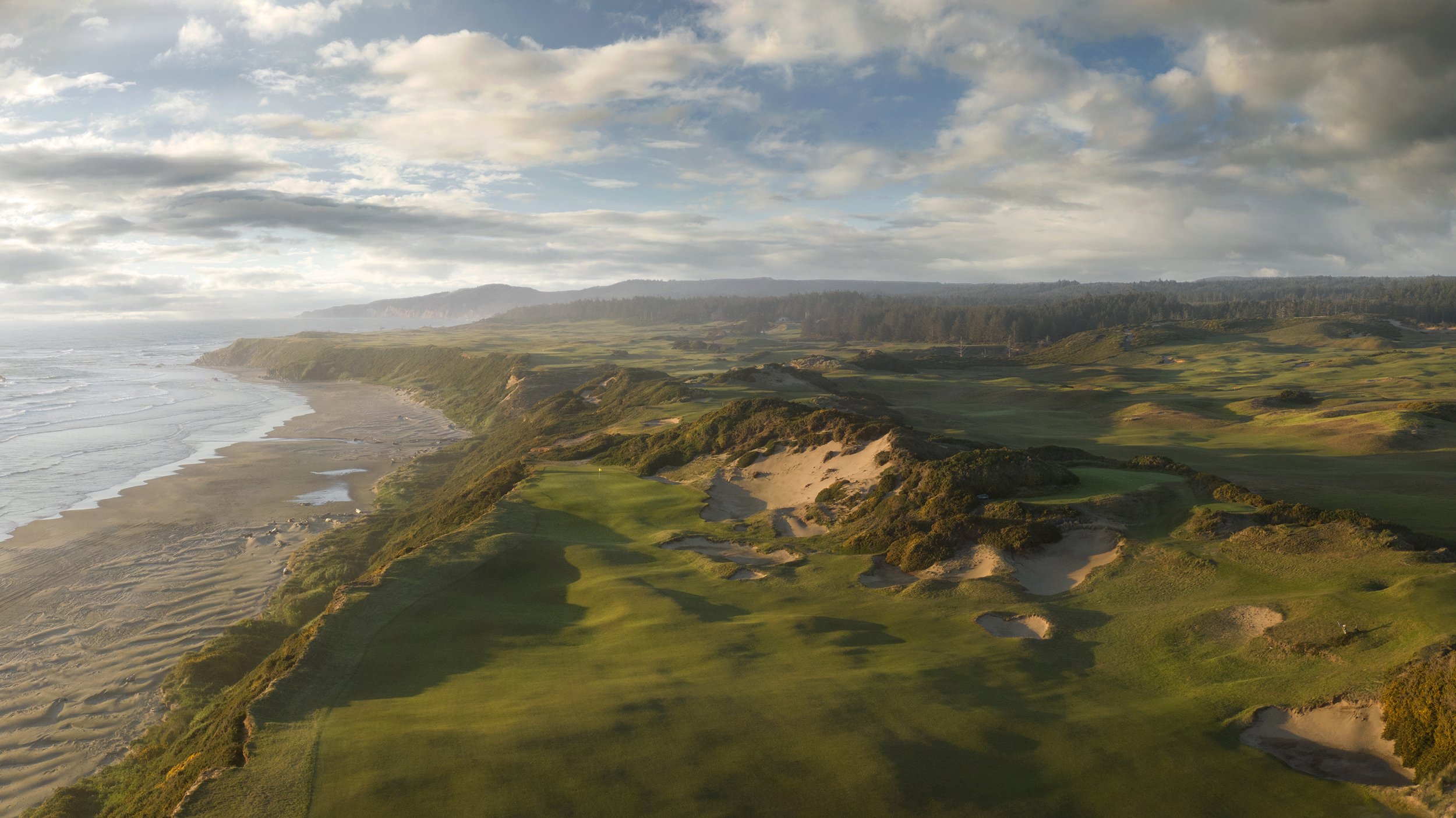
Harbour Town Golf Links
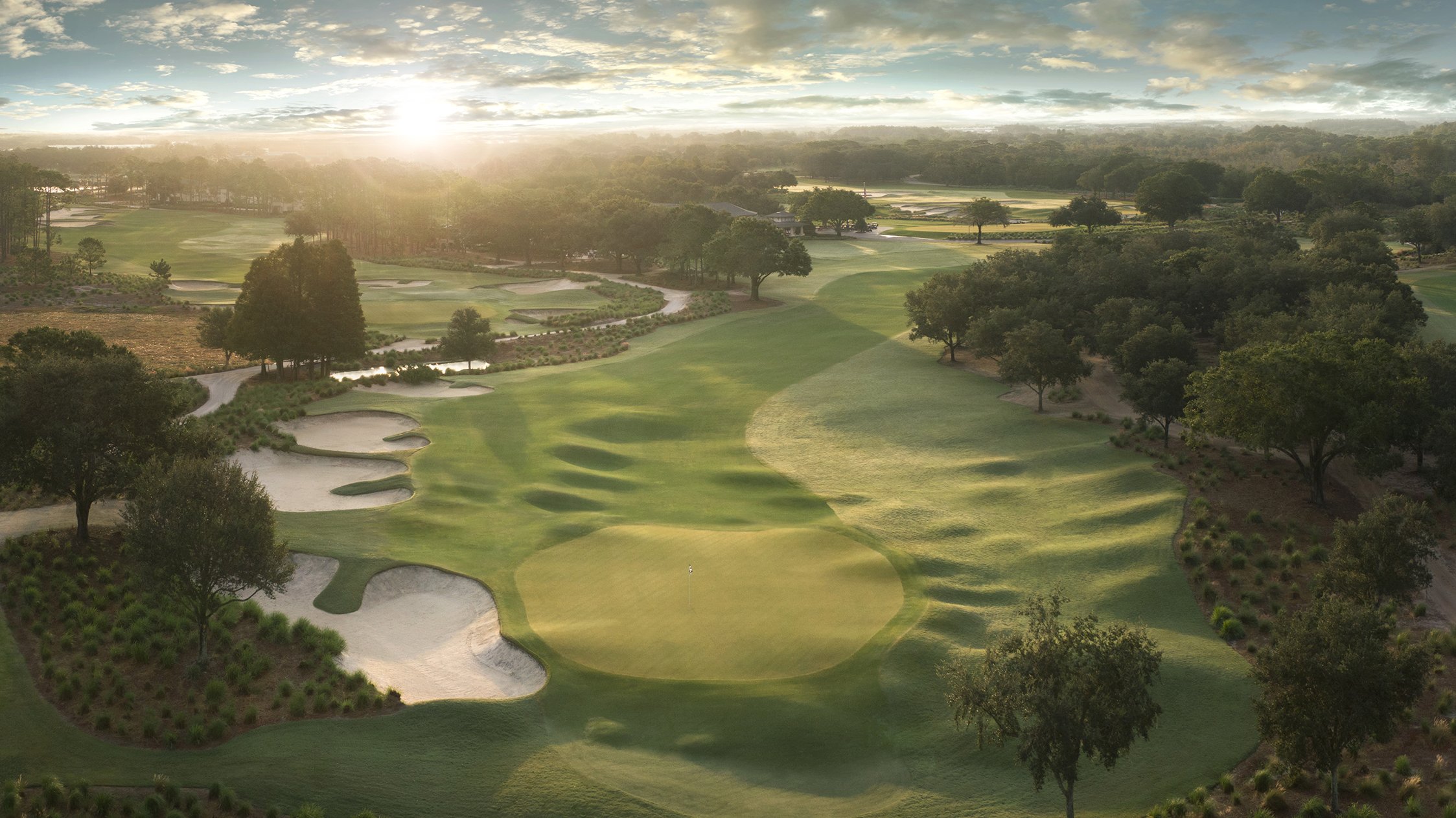
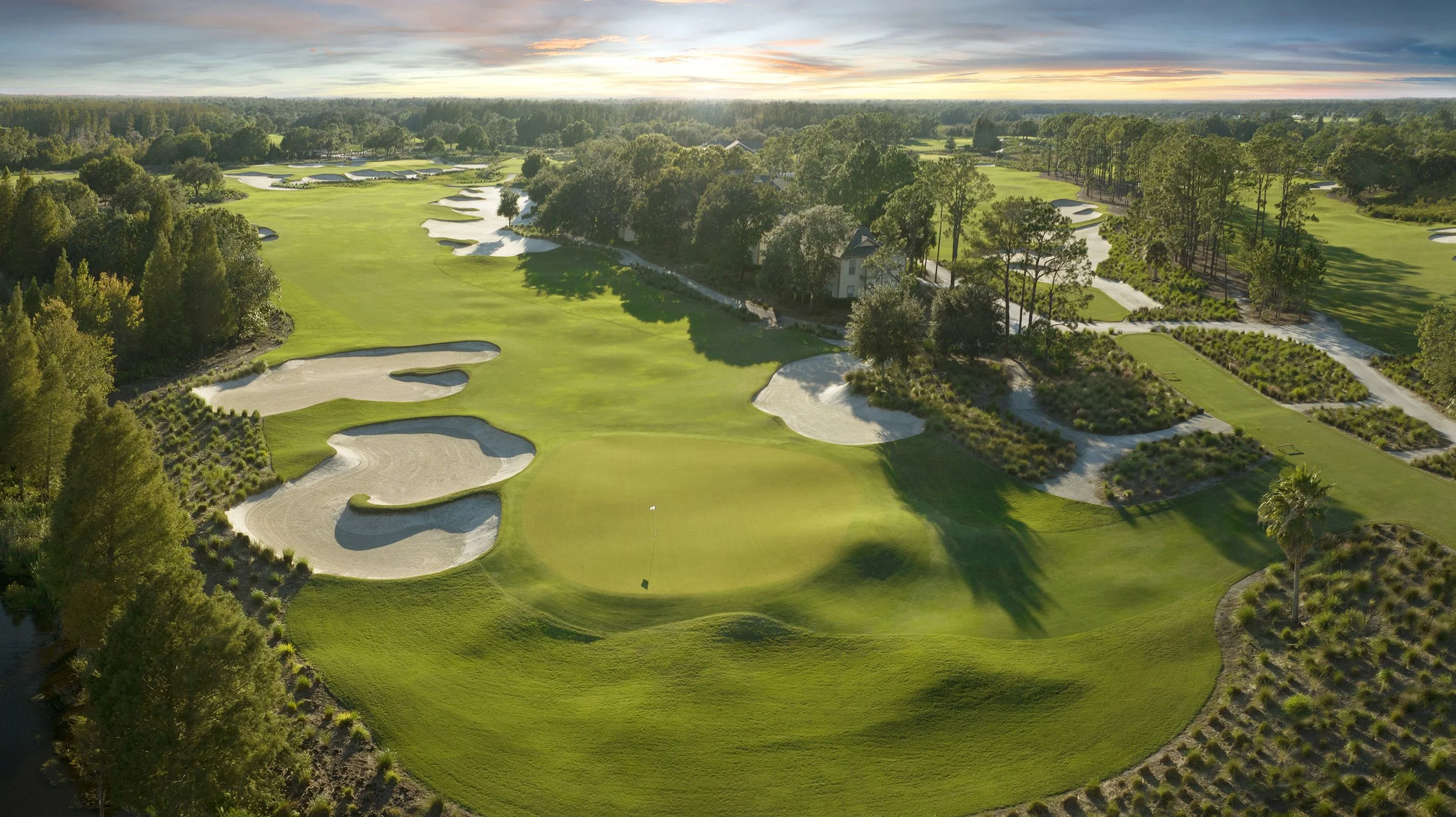
Harbour Town Golf Links has always been a course that whispers rather than shouts. It doesn’t need theatrics—just tight fairways framed by leaning pines, small greens that punish anything lazy, and that unmistakable walk toward the lighthouse on eighteen. It’s a place that earns your respect the old-fashioned way: one demanding shot at a time.
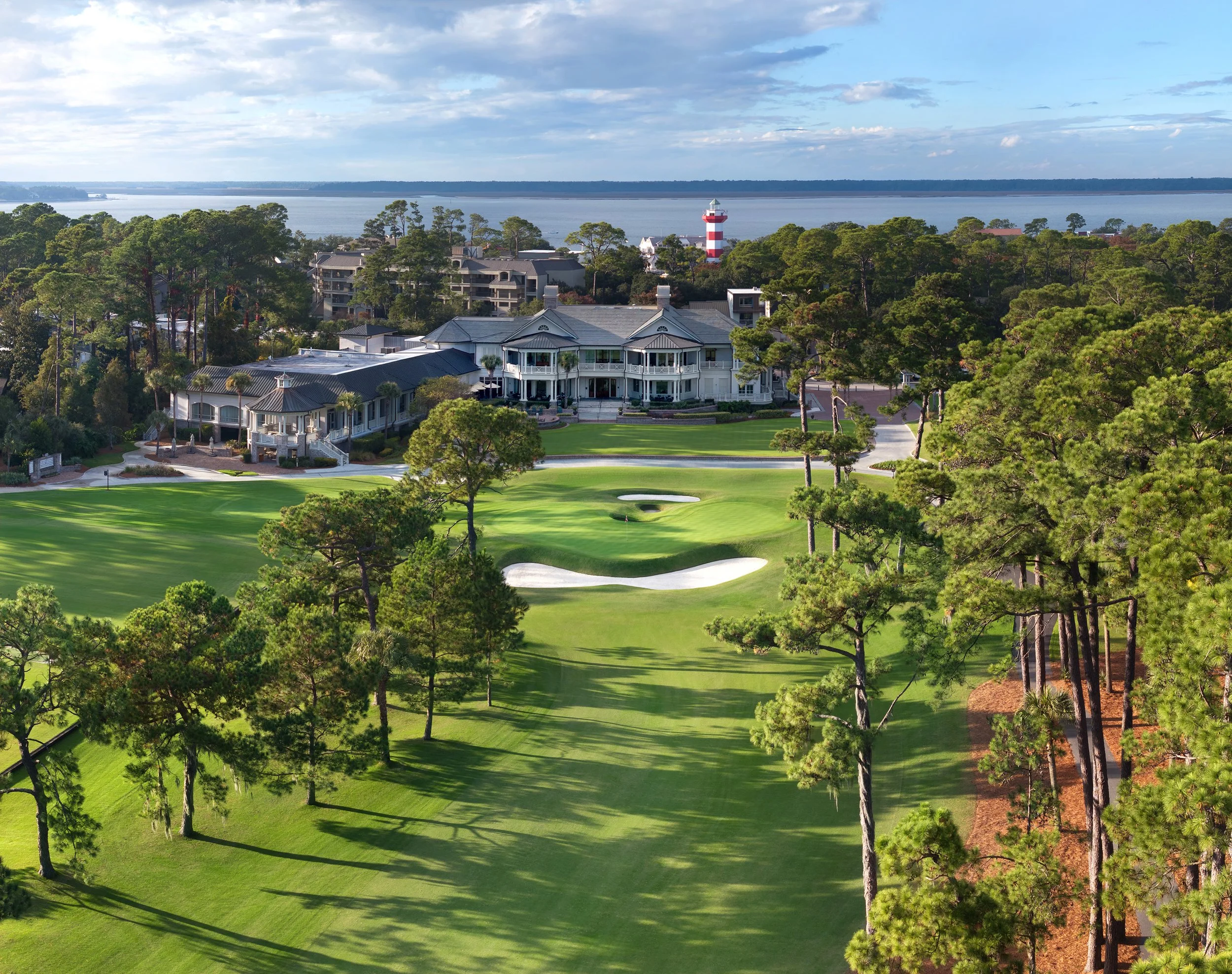
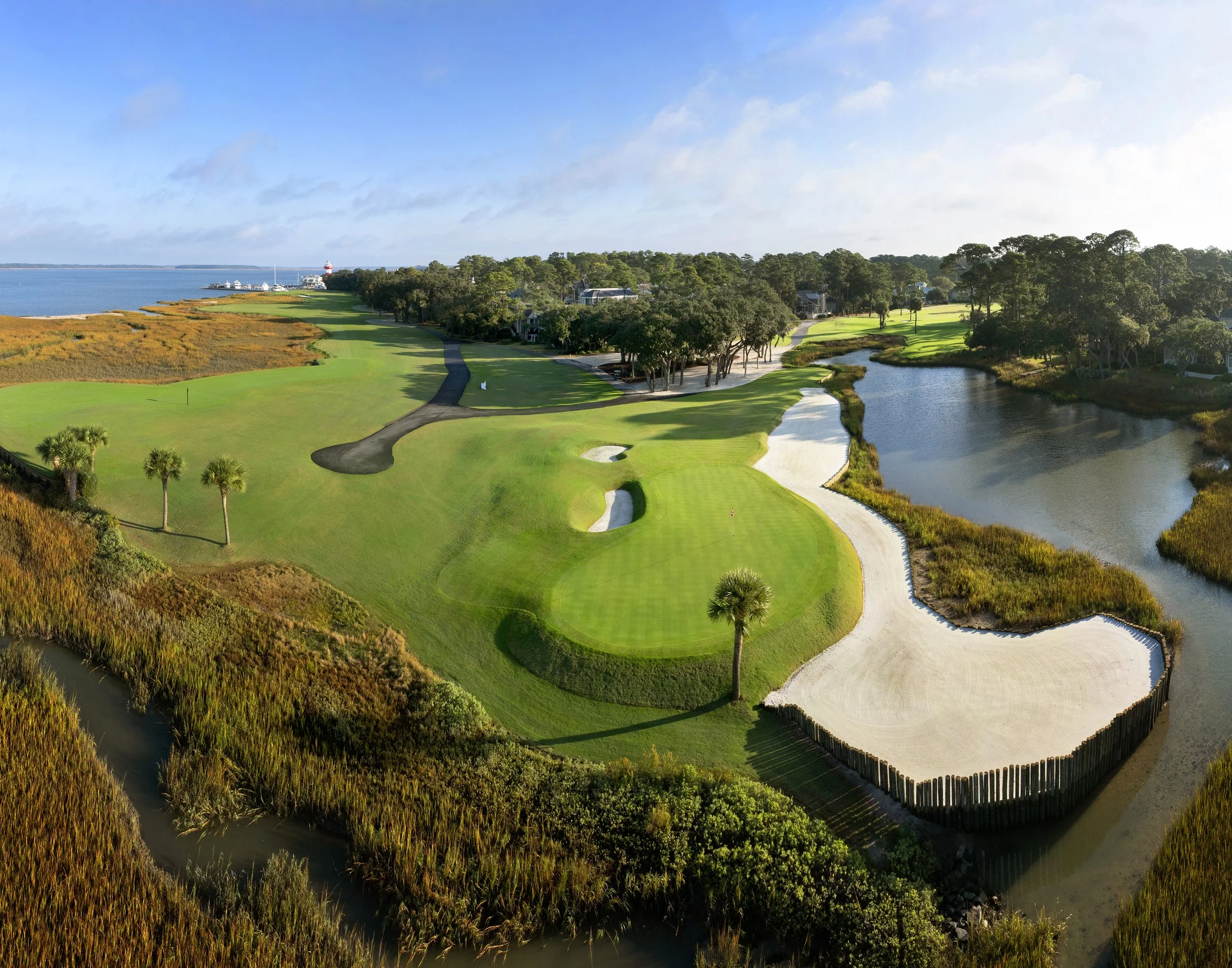
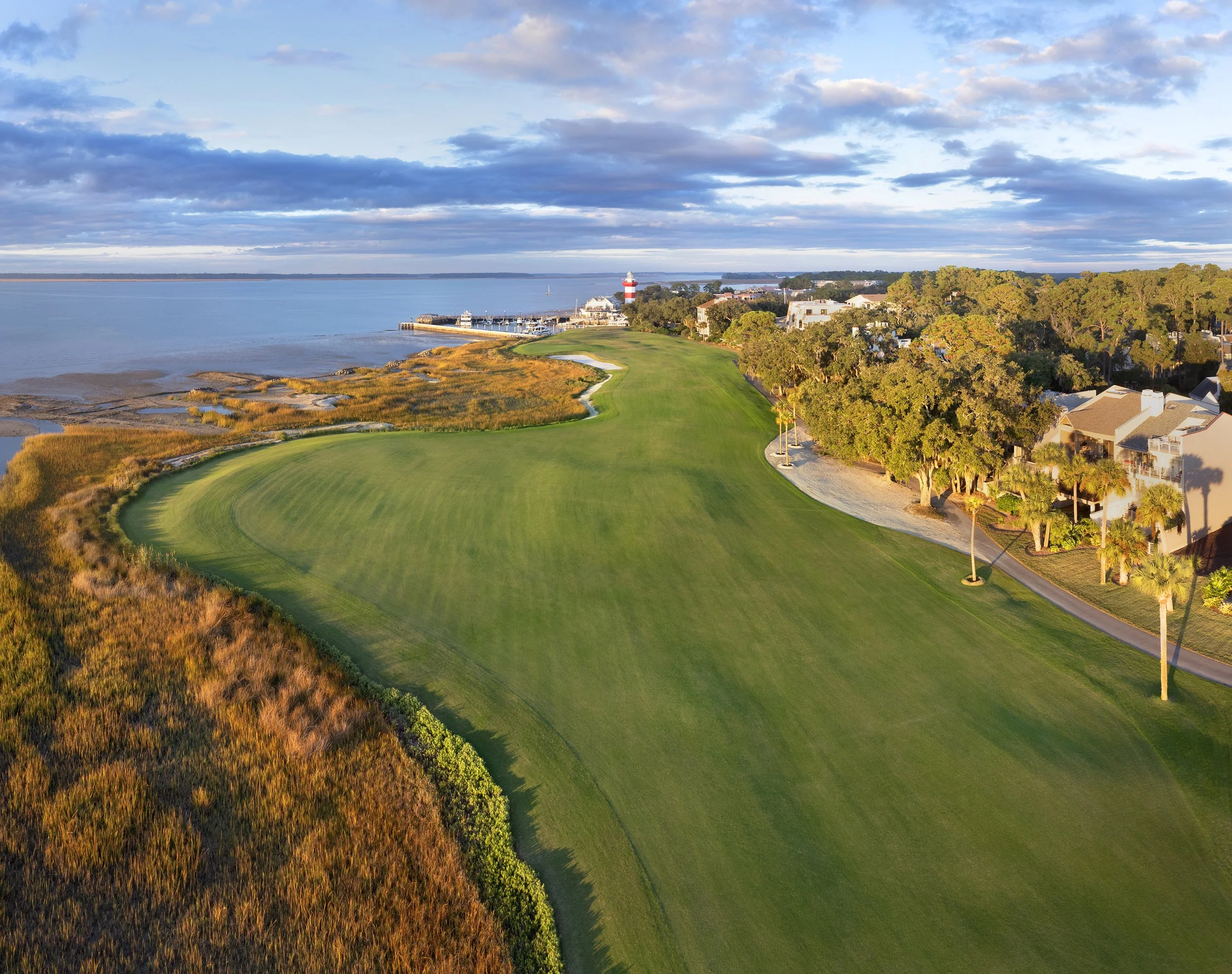
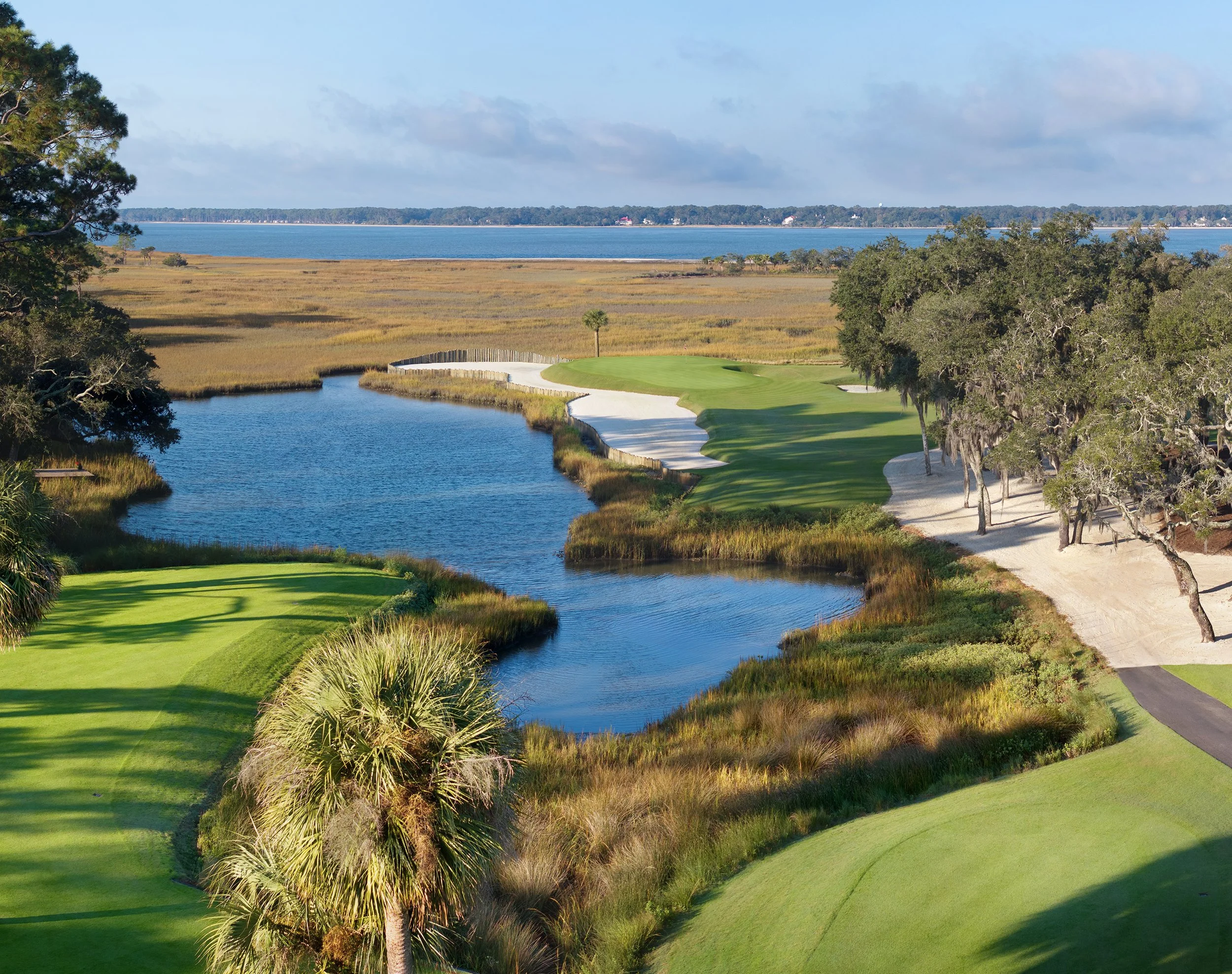
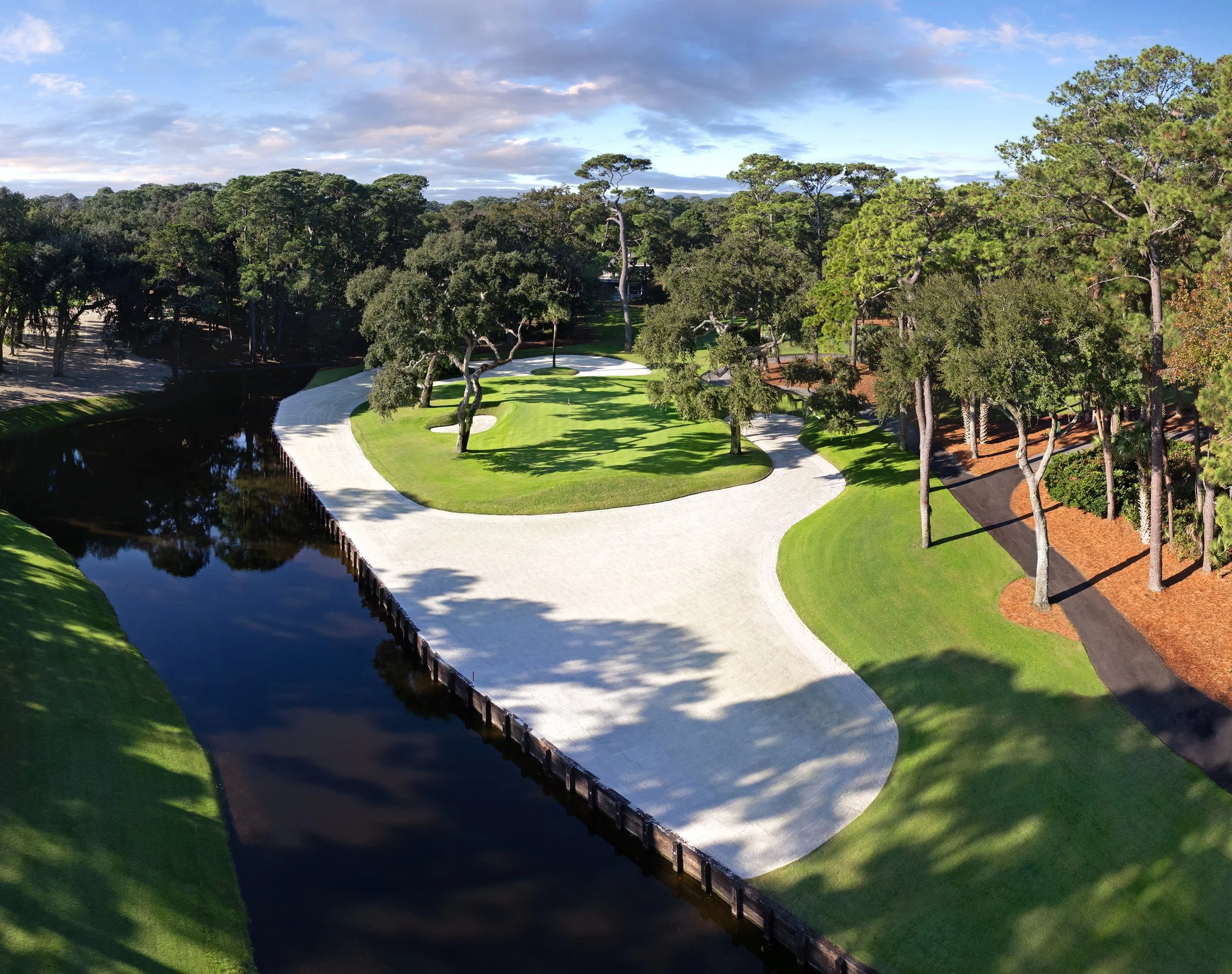
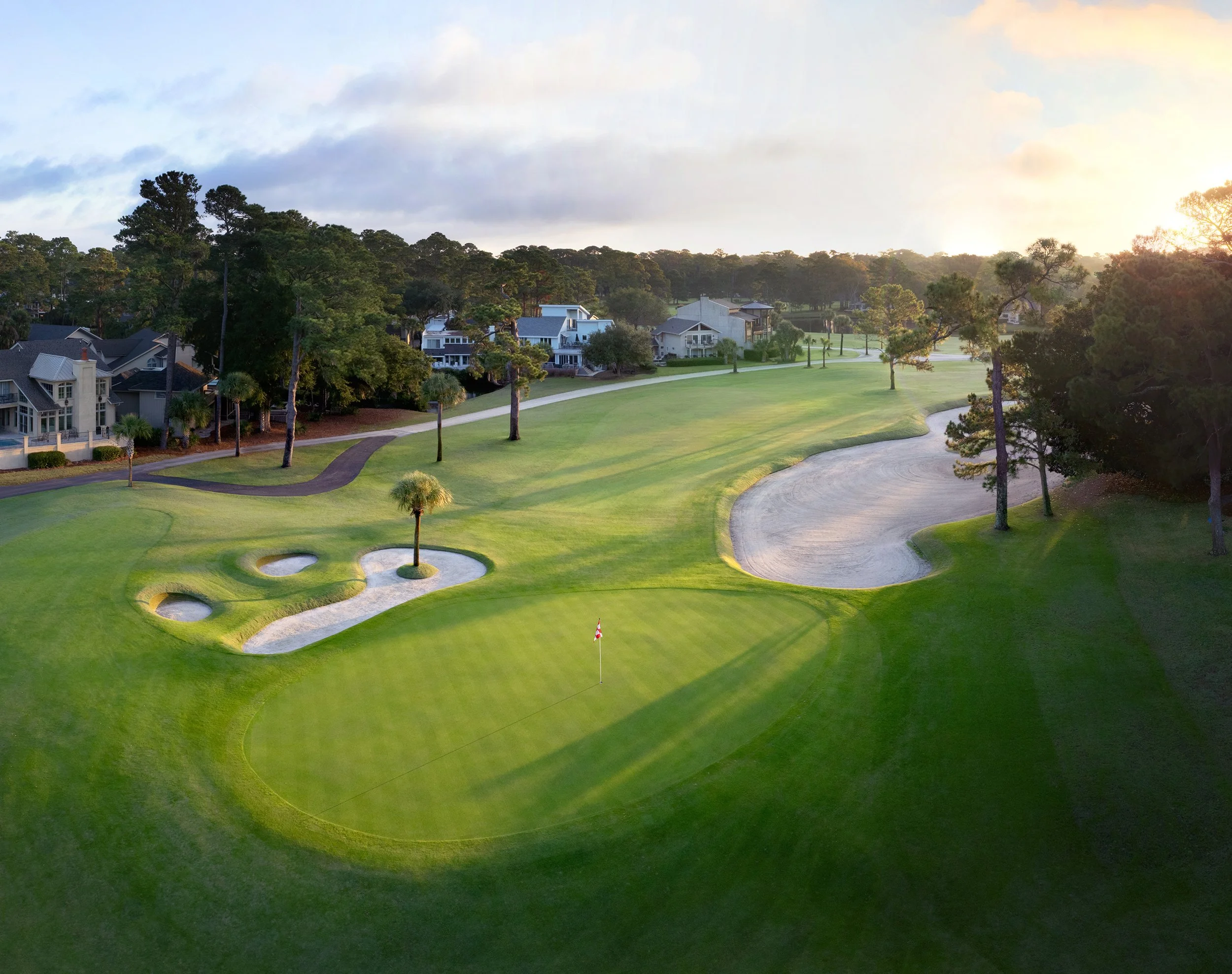
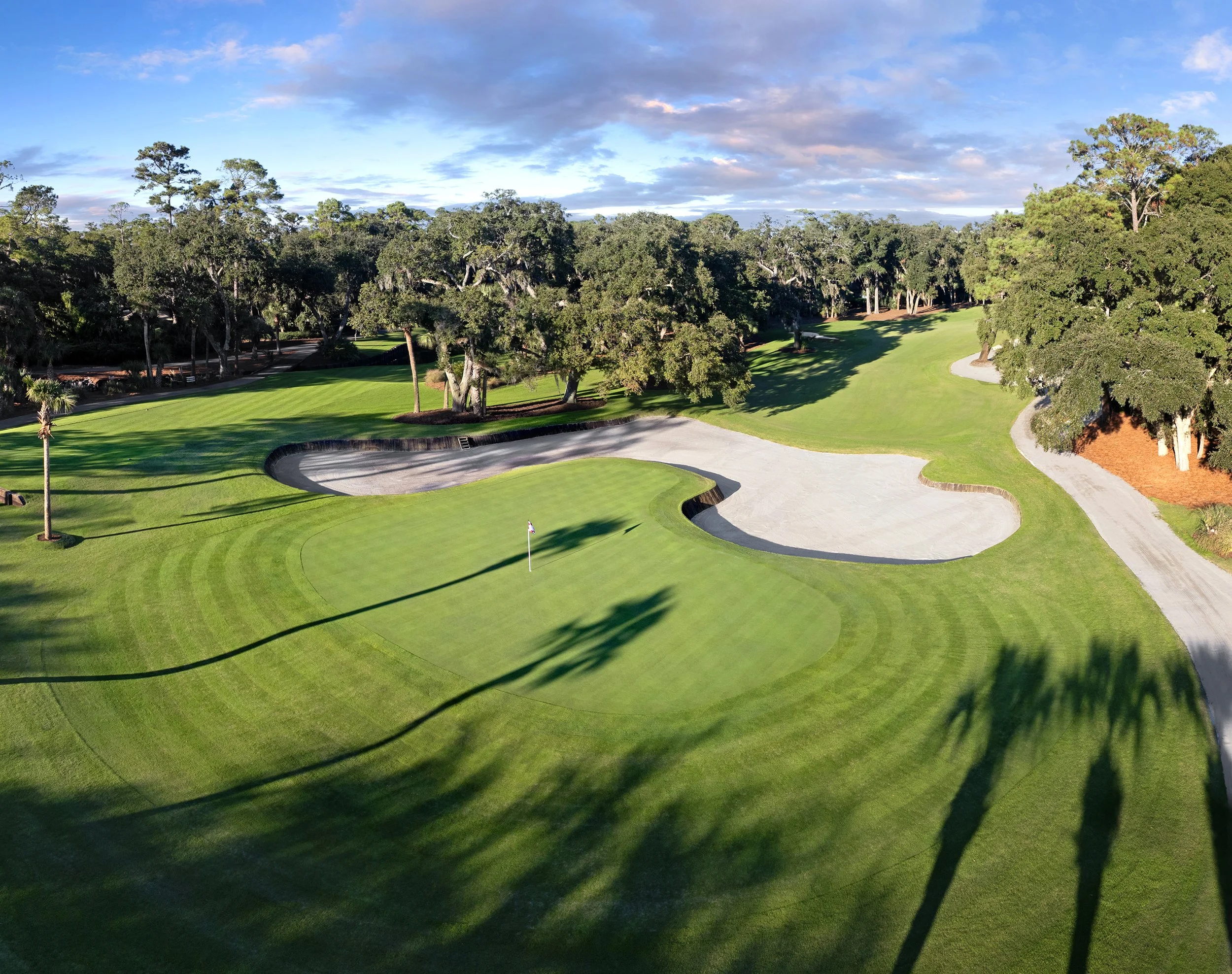
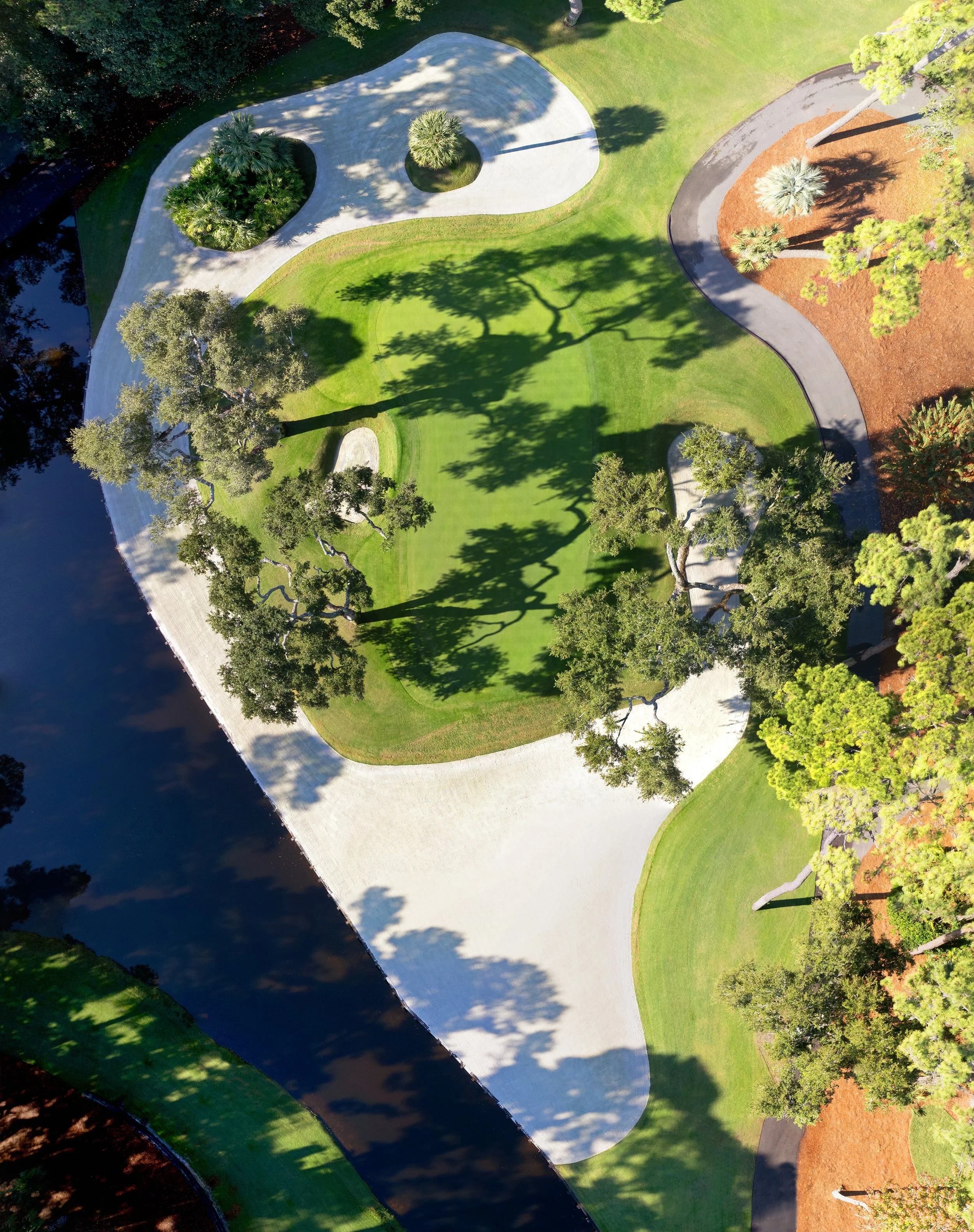
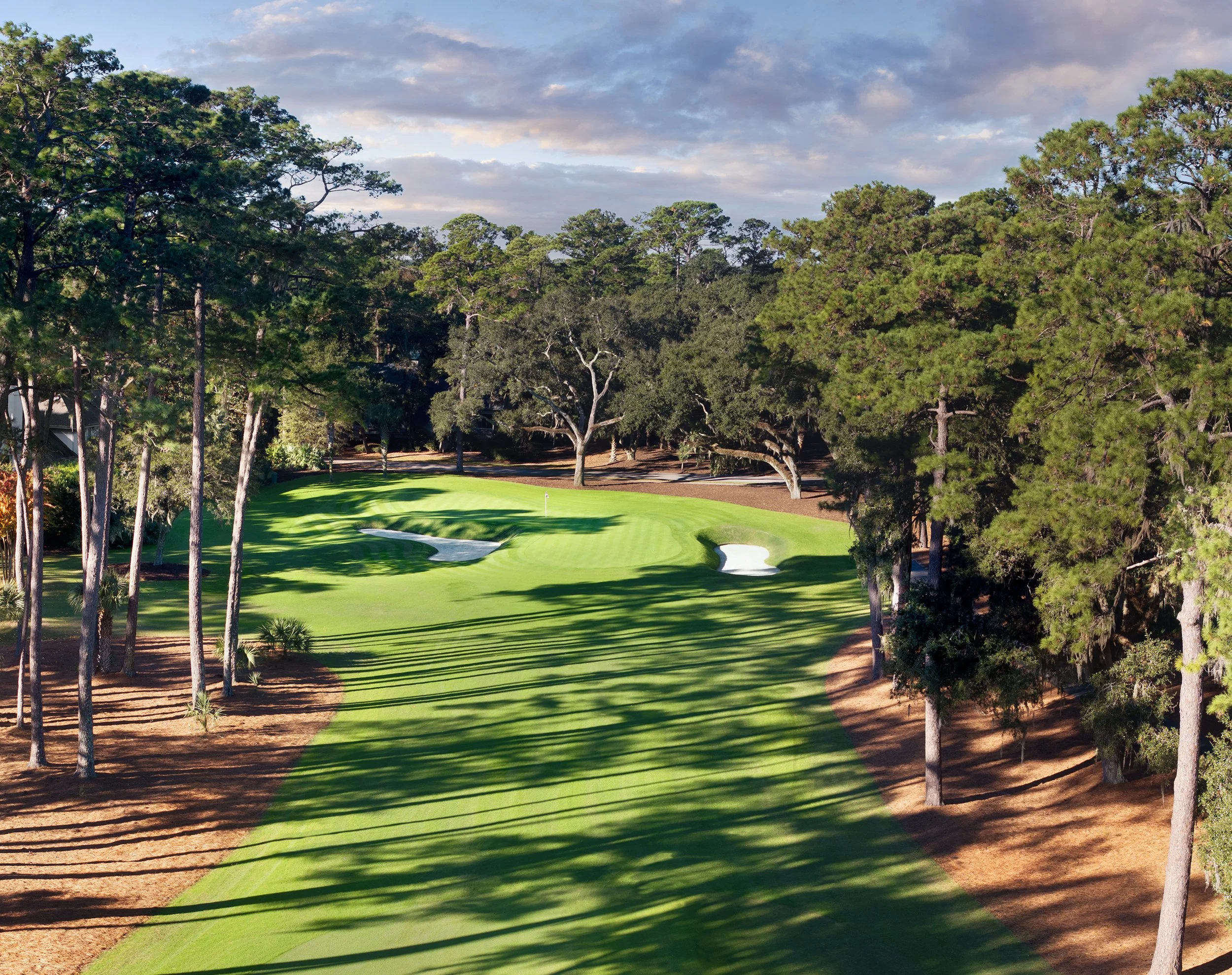
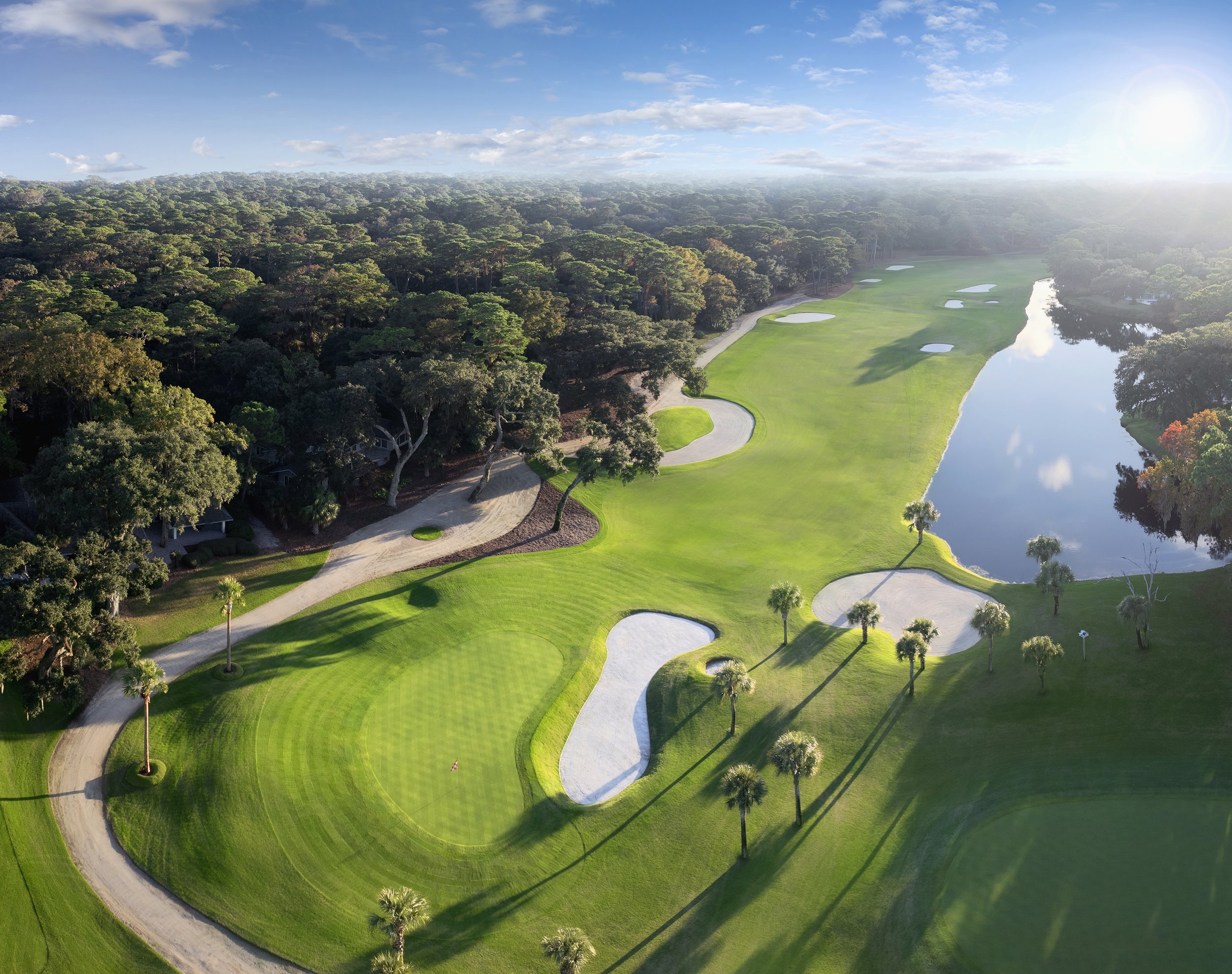
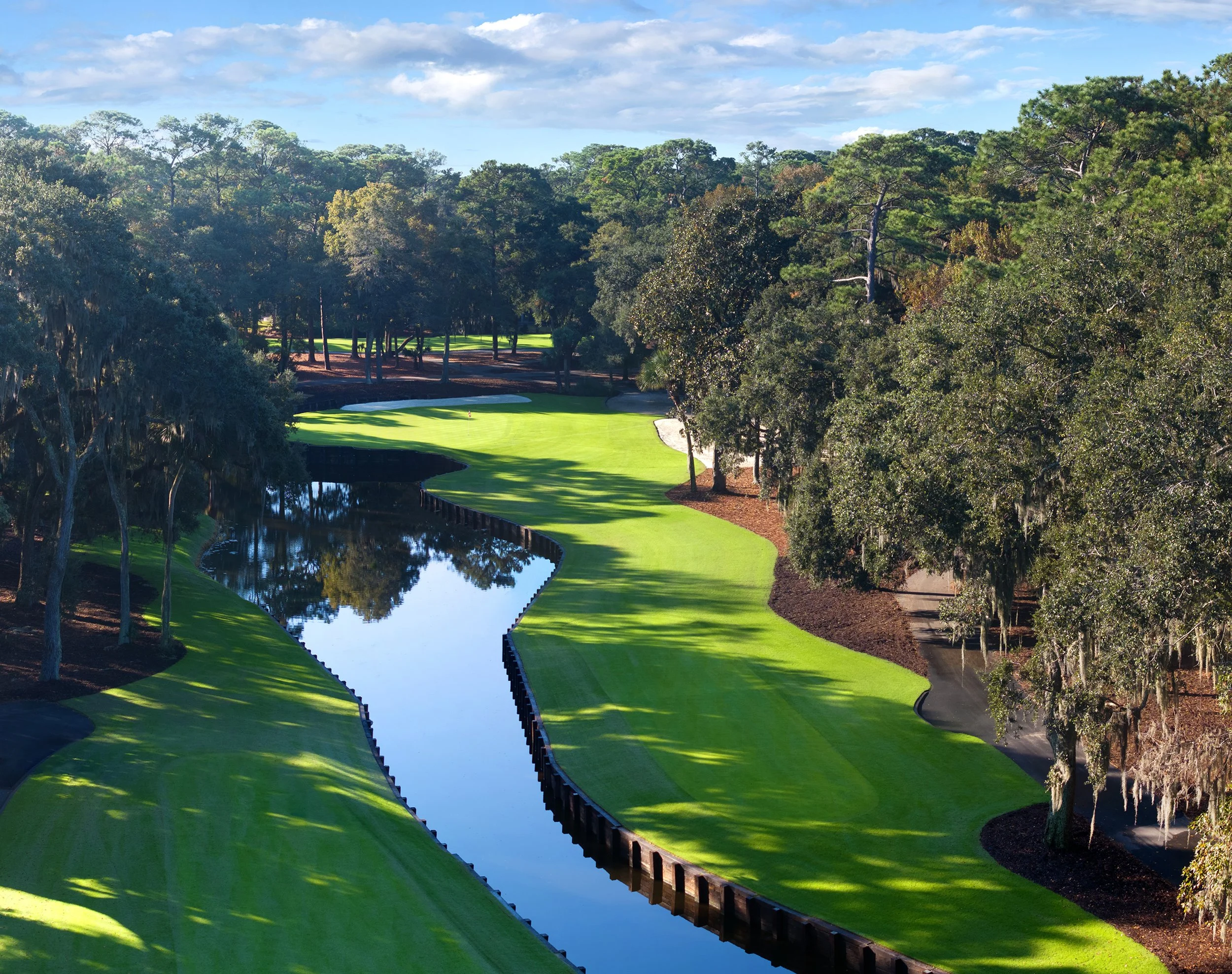
Almost as soon as the last putt dropped at the RBC Heritage, Davis Love III and his team went to work. The renovation didn’t aim to reinvent Harbour Town, just to sharpen what was already exceptional. The bunkers are the clearest example—cleaner edges, smarter placement, and a look that settles more naturally into the ground. Greens were refined, surfaces firmed and freshened, and the subtle contours that define Harbour Town’s personality were tuned with a careful hand. No loud redesign, just thoughtful craftsmanship.
Love approached the project like someone who understood the assignment: protect the soul, elevate the details. Harbour Town has always rewarded precision, patience, and nerve, and now—with crisper bunkers, tuned greens, and a layout refreshed without losing a step—it feels as timeless as ever, just a touch more honest.
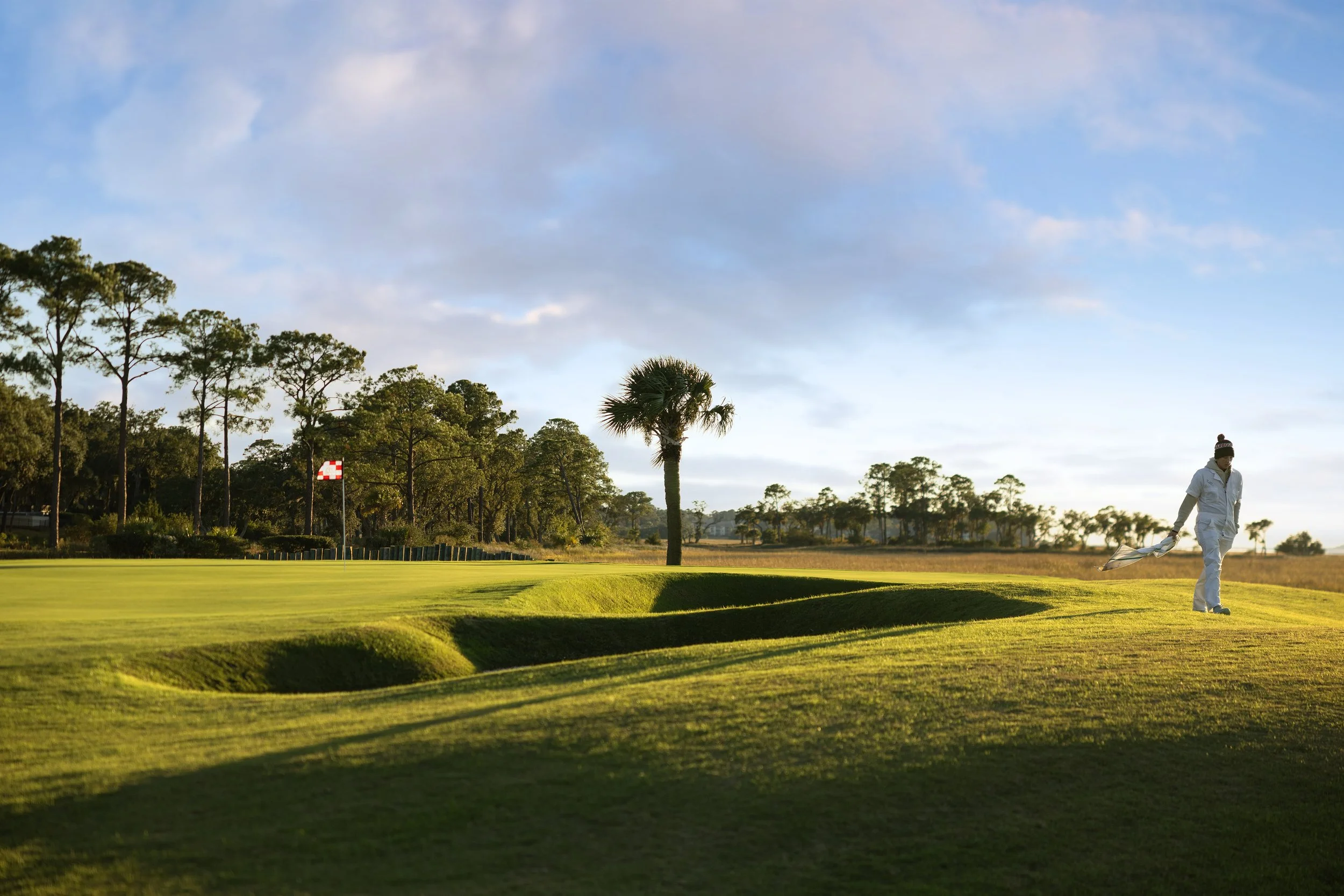
“After the recent restoration, playing the course is so challenging that players will end up with all 14 clubs covered in dirt by the end of their round”
~ John Farrell, Director of Golf

Grateful for This One
Really proud to have one of my images from Harbour Town Golf Links on the cover of Links Magazine. It’s a special feeling seeing your work out front like that, especially with a place that I have admired over the years. Grateful for the opportunity and still a little surprised when I walk past it on the airport newsstand.
Riviera country club
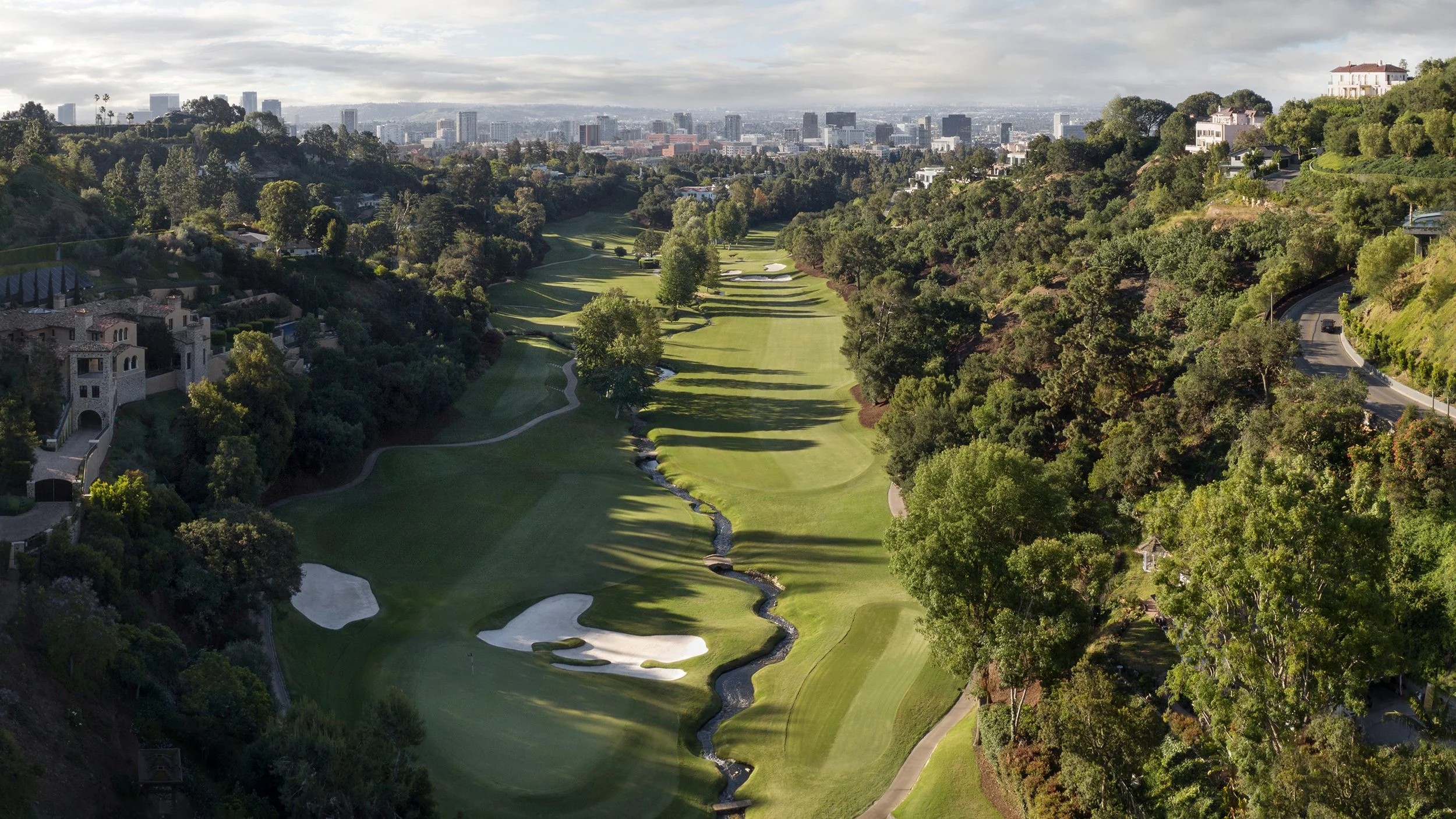
Riviera Country Club, now celebrating its 100th anniversary, has always been more than just a golf course. It’s a stage. A cathedral of West Coast golf where style, architecture, and competition have come together for a century beneath the eucalyptus and sycamore trees of Pacific Palisades.
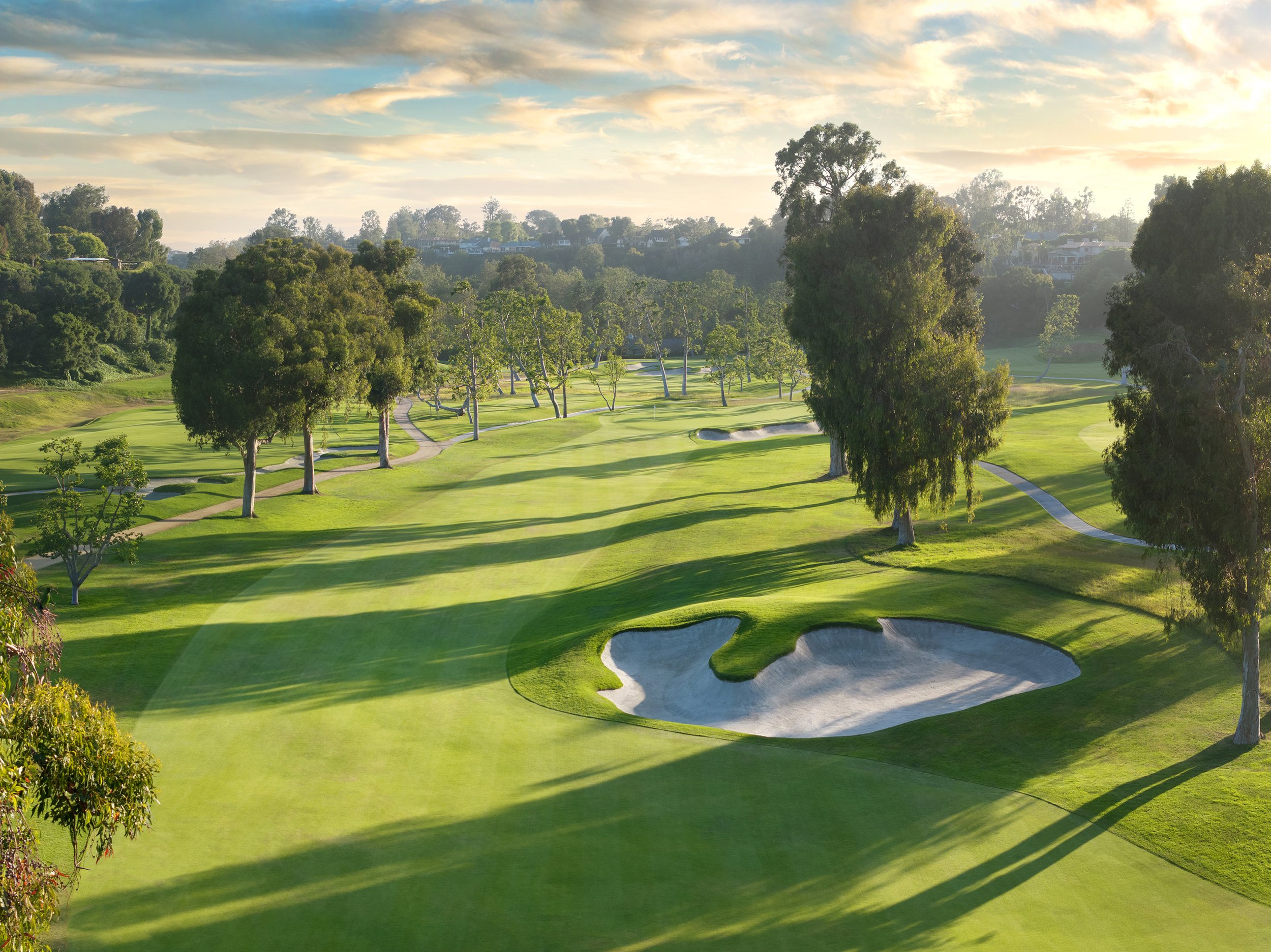
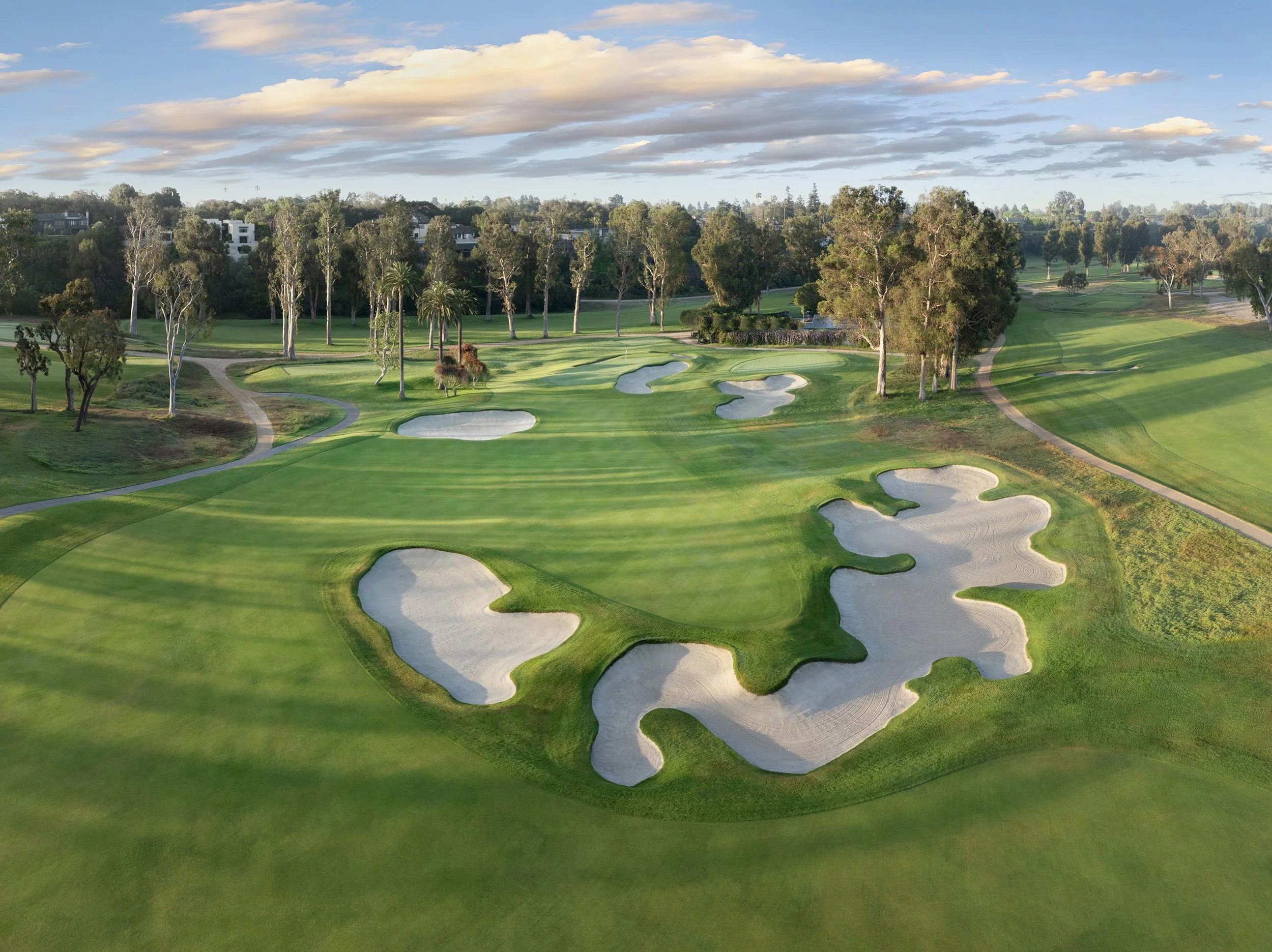
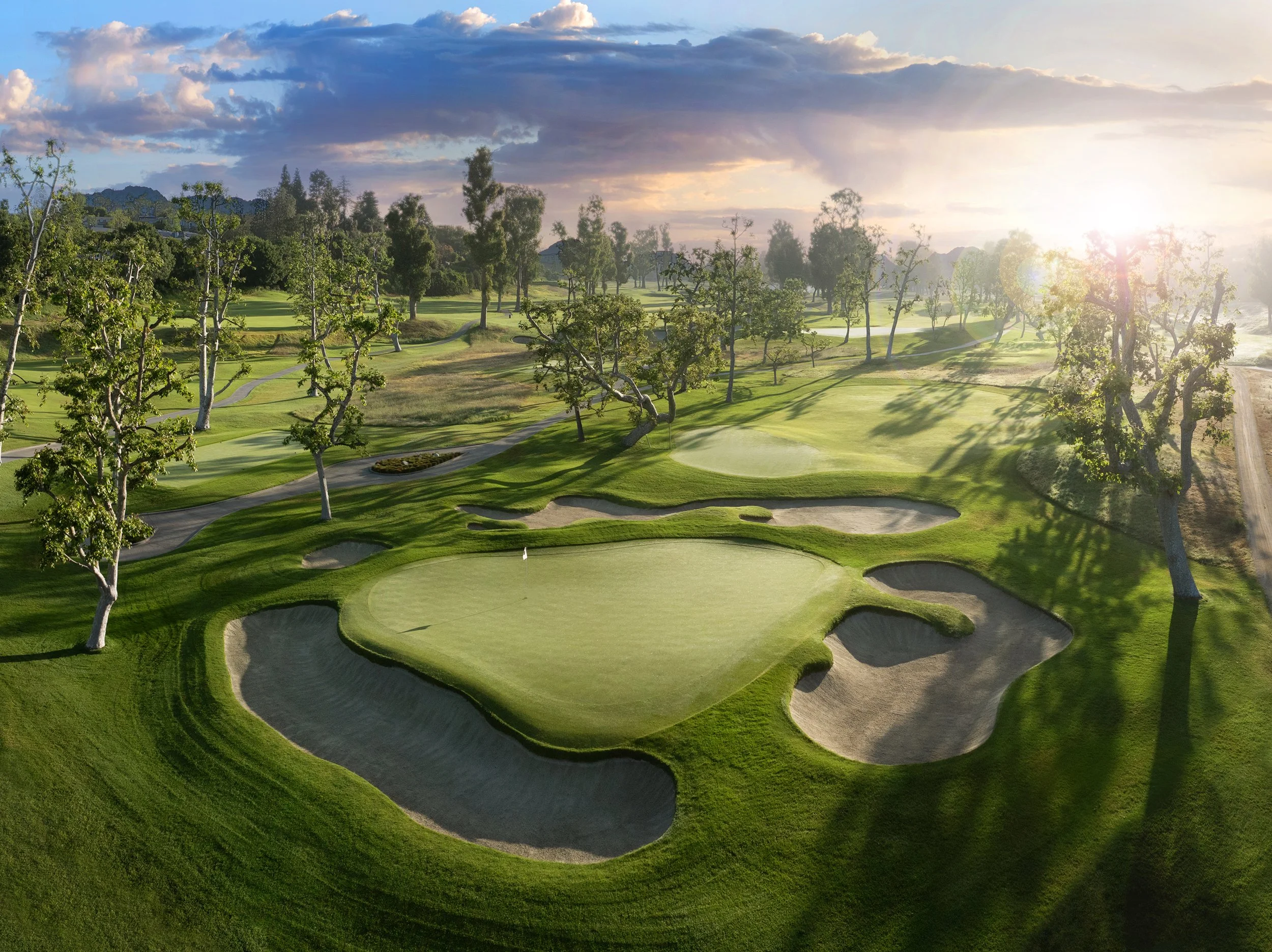

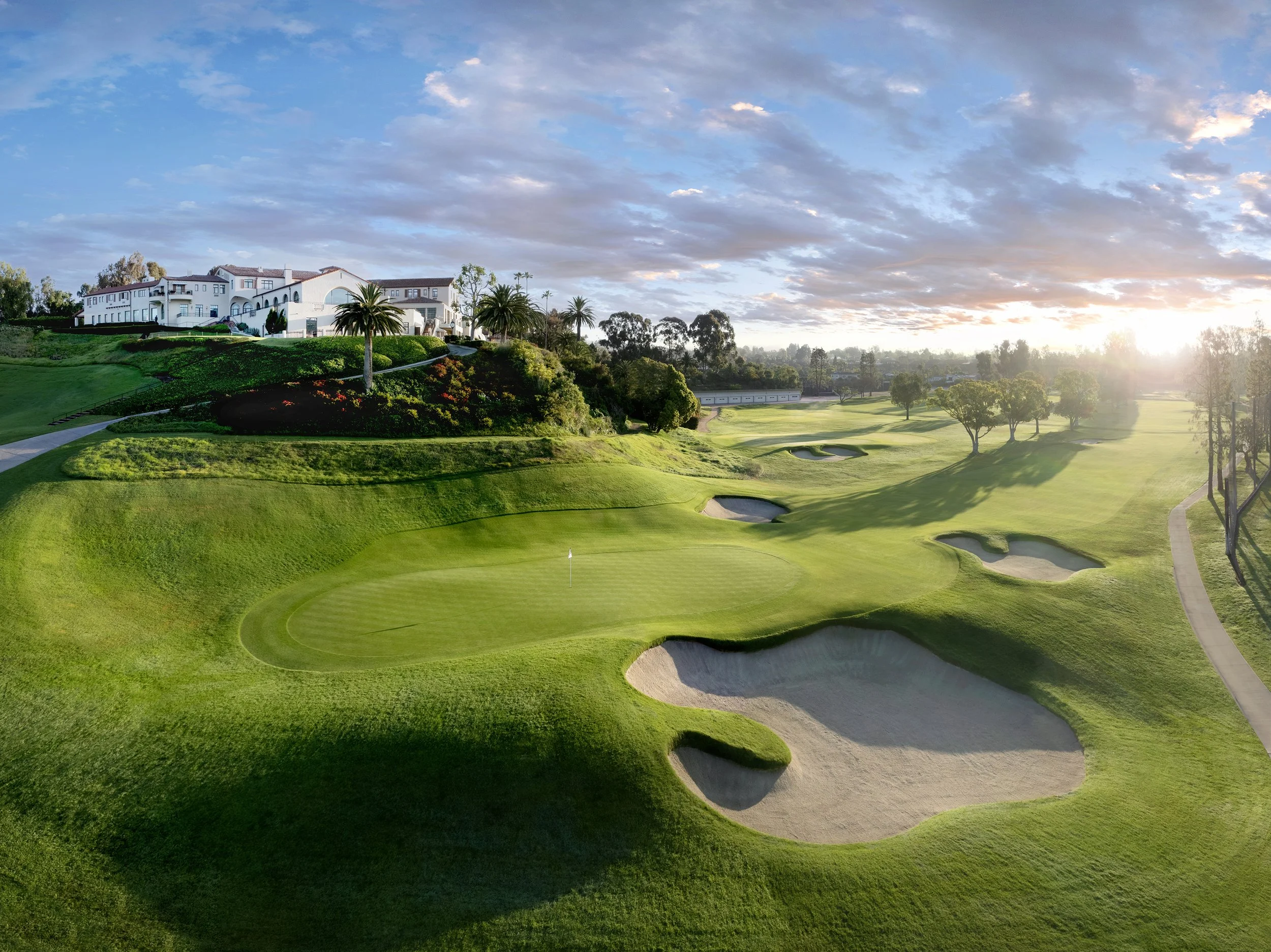
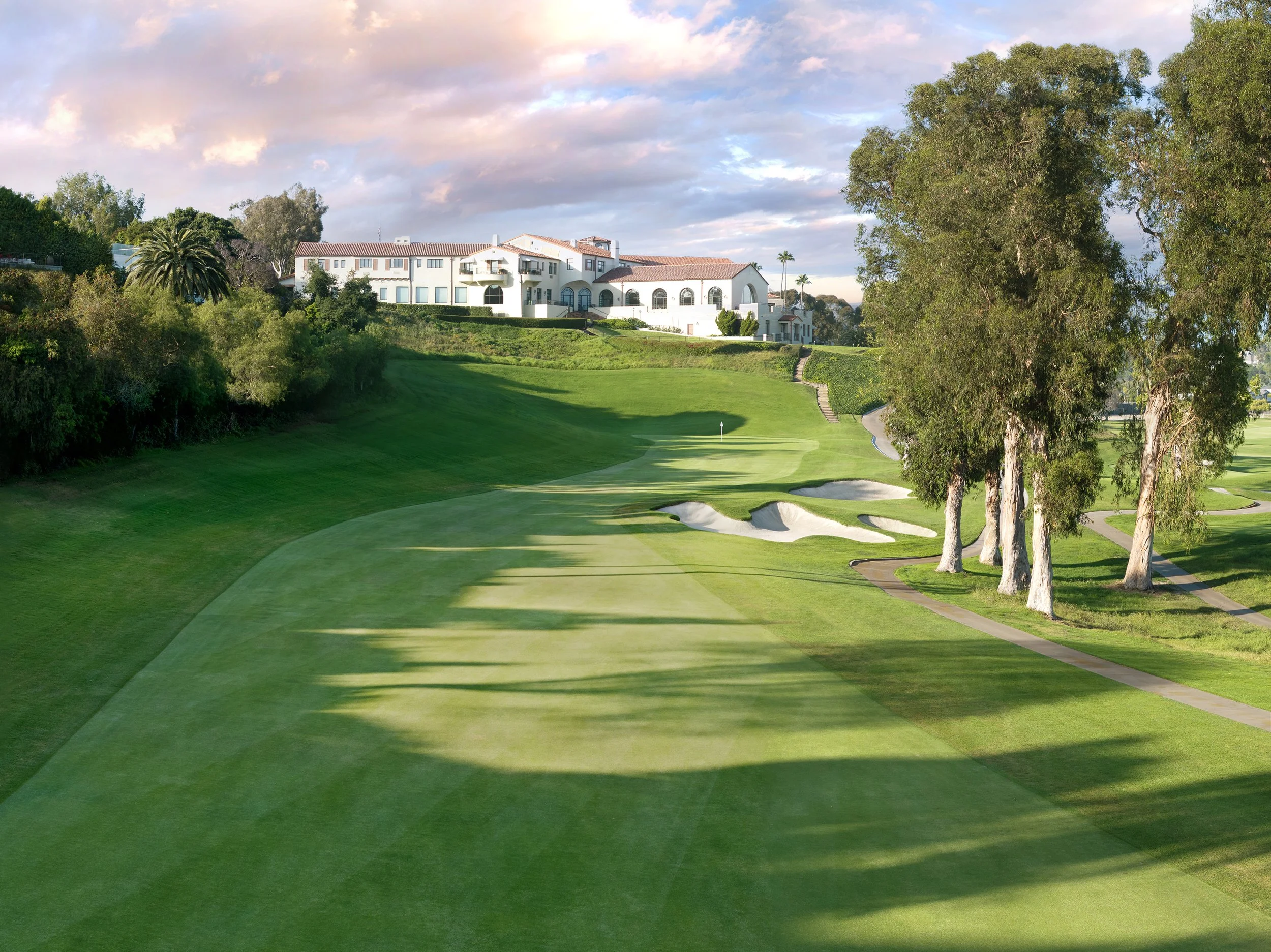
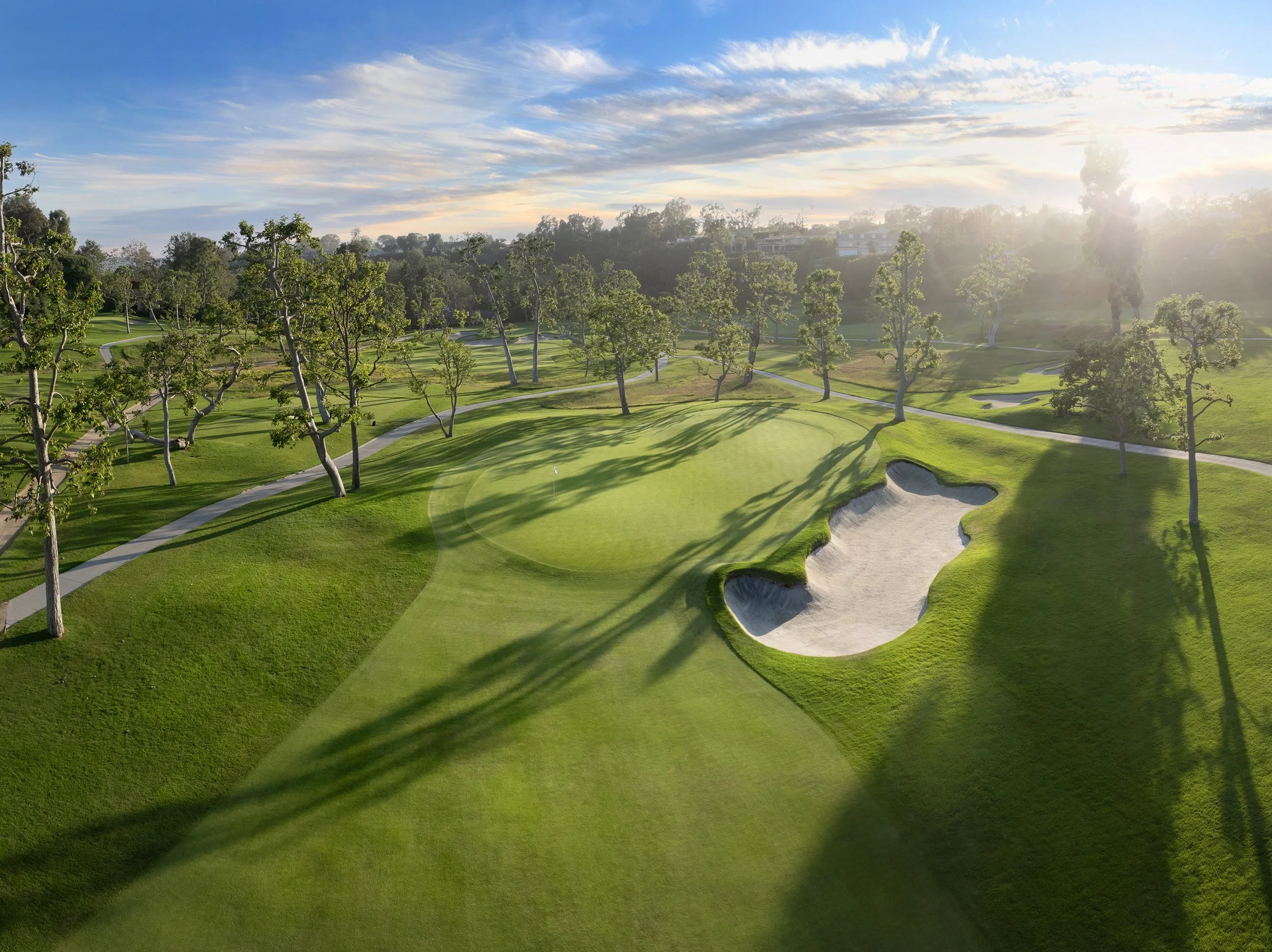
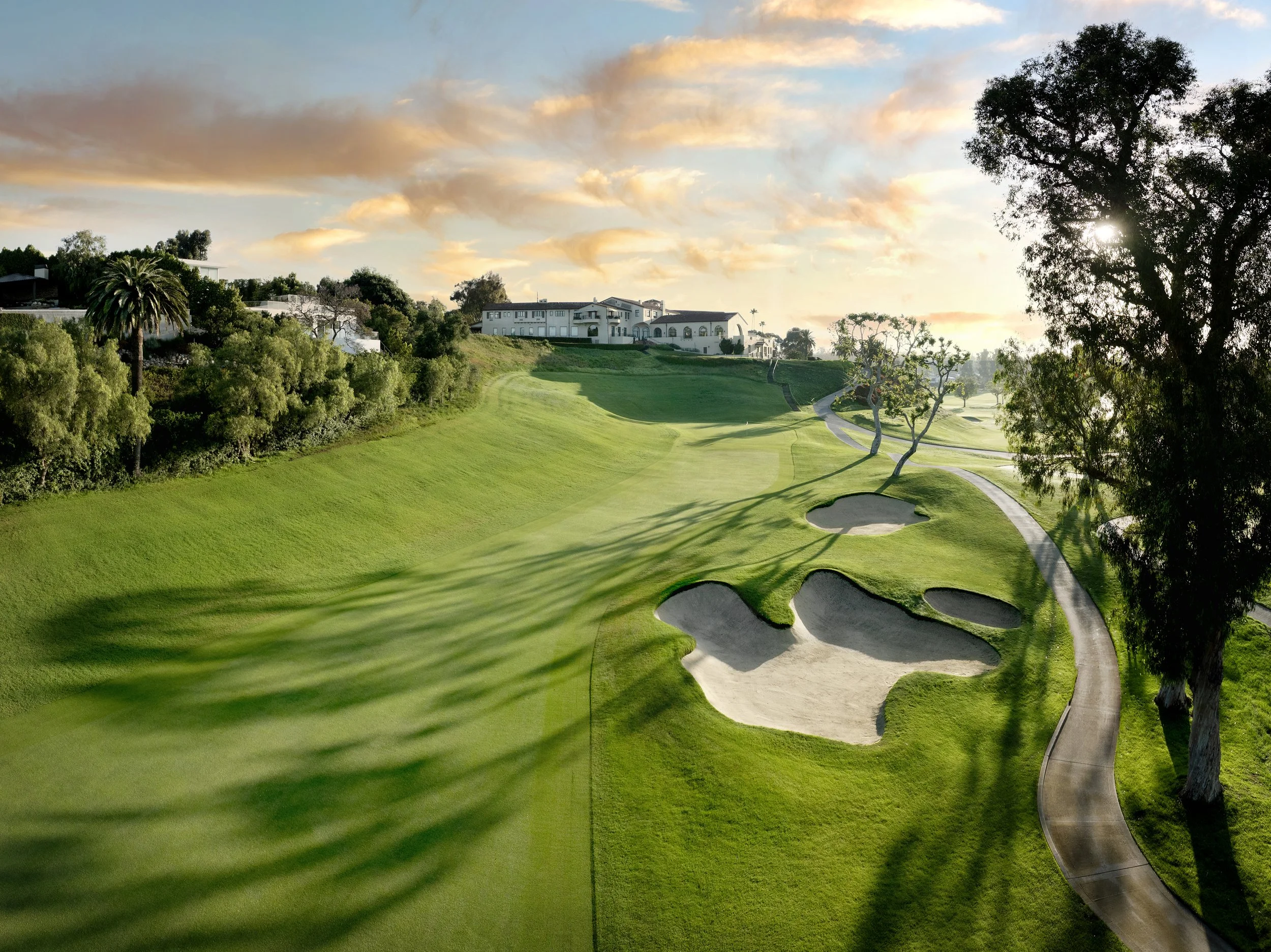

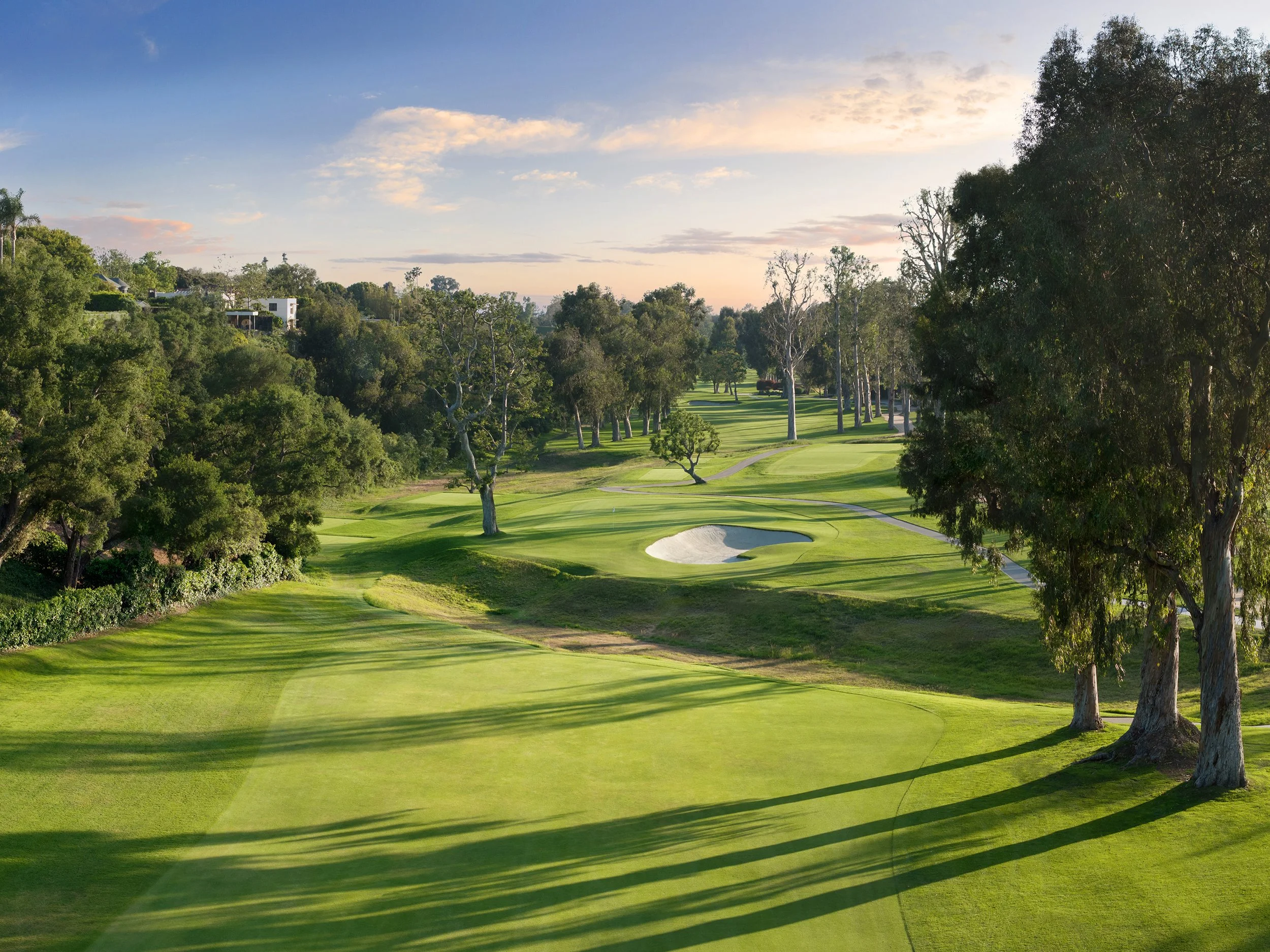
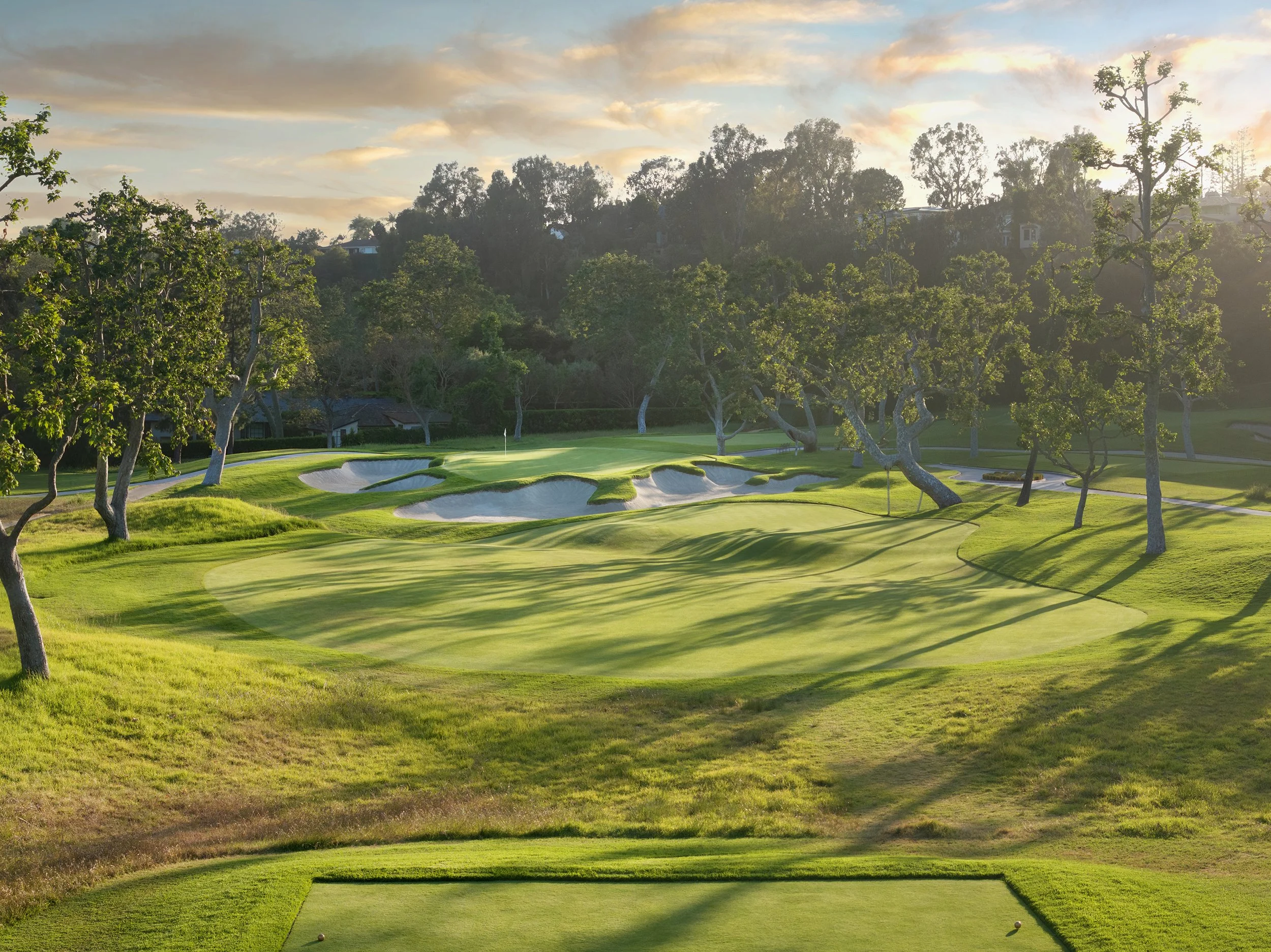
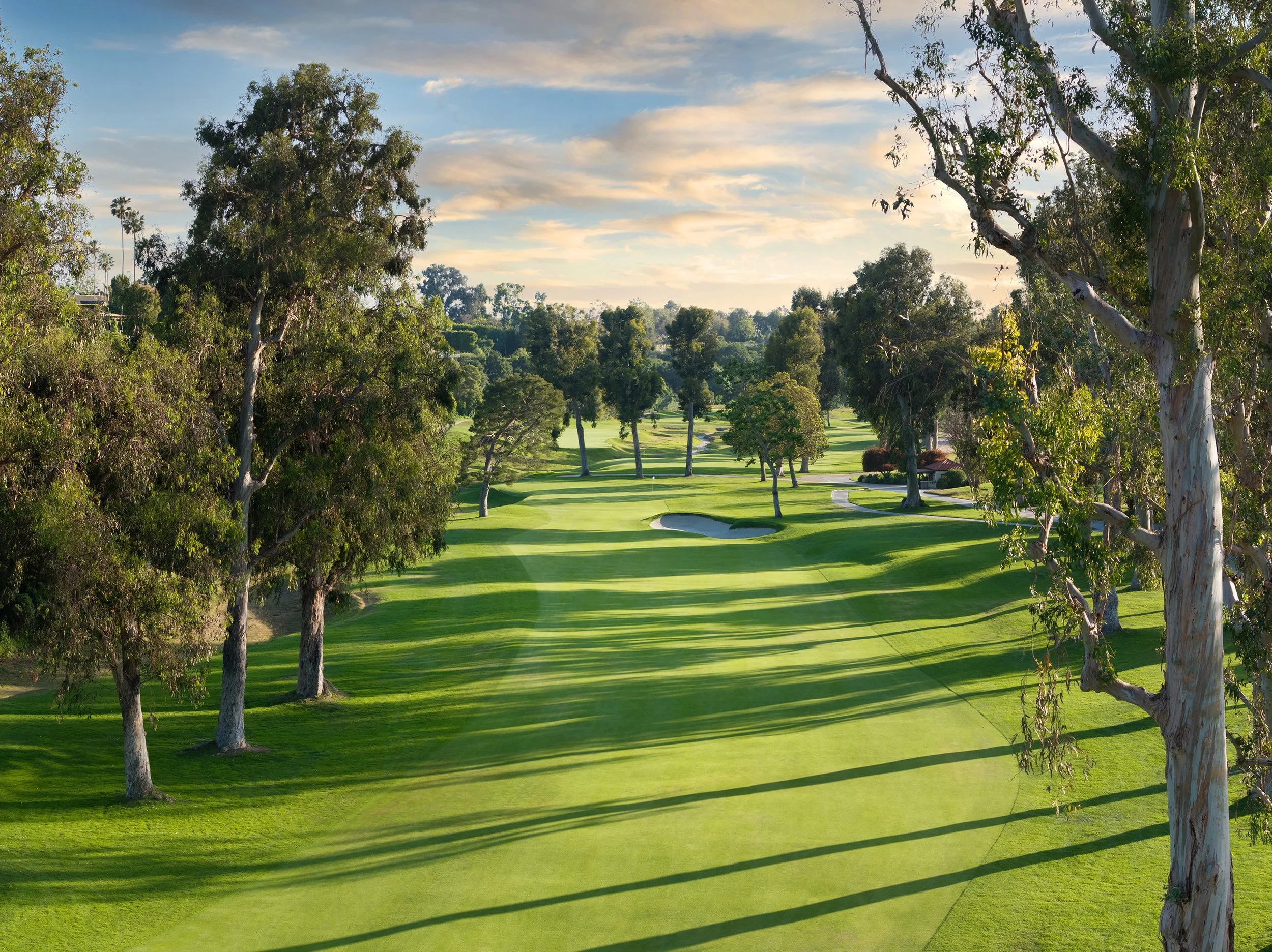
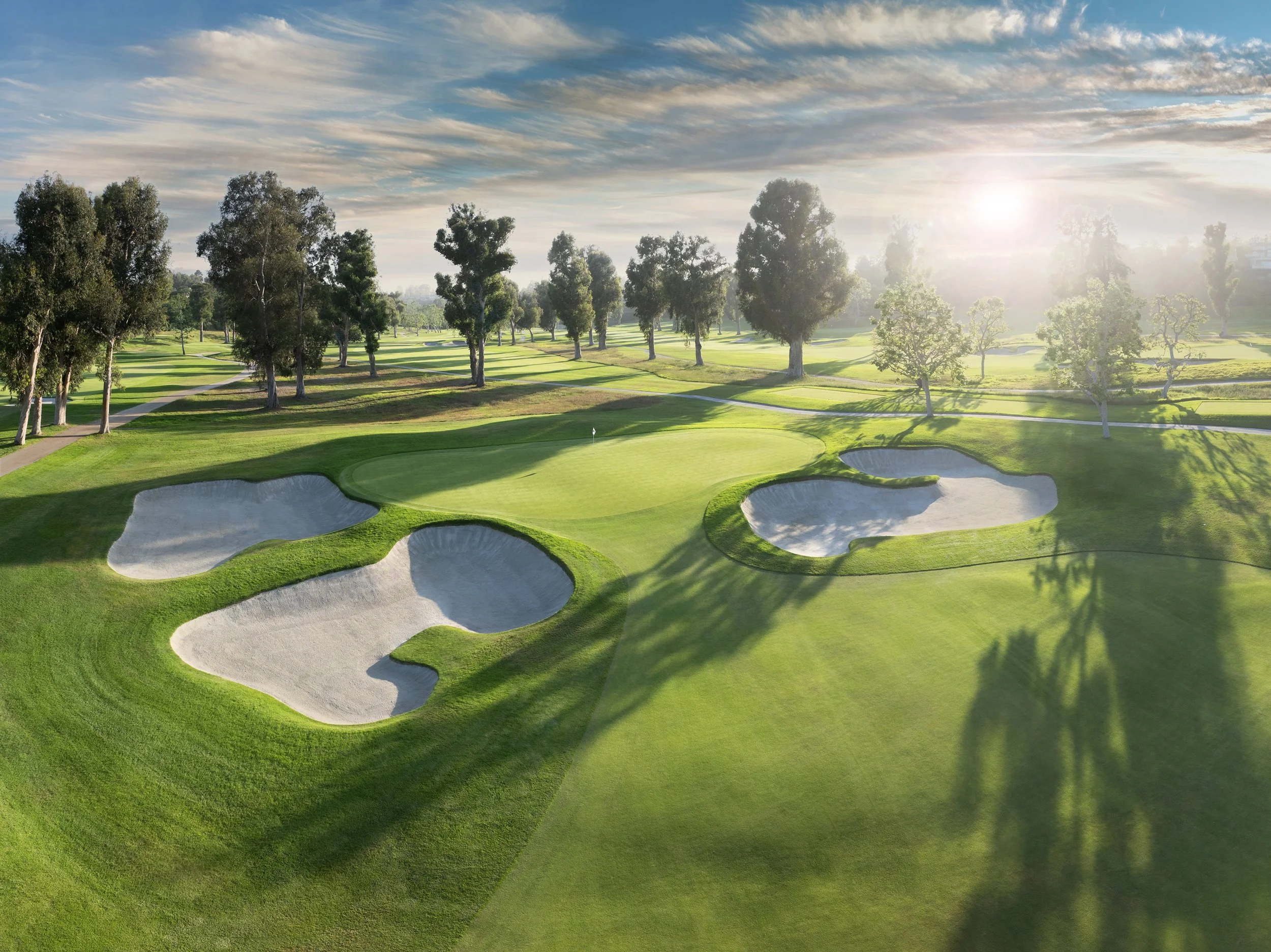
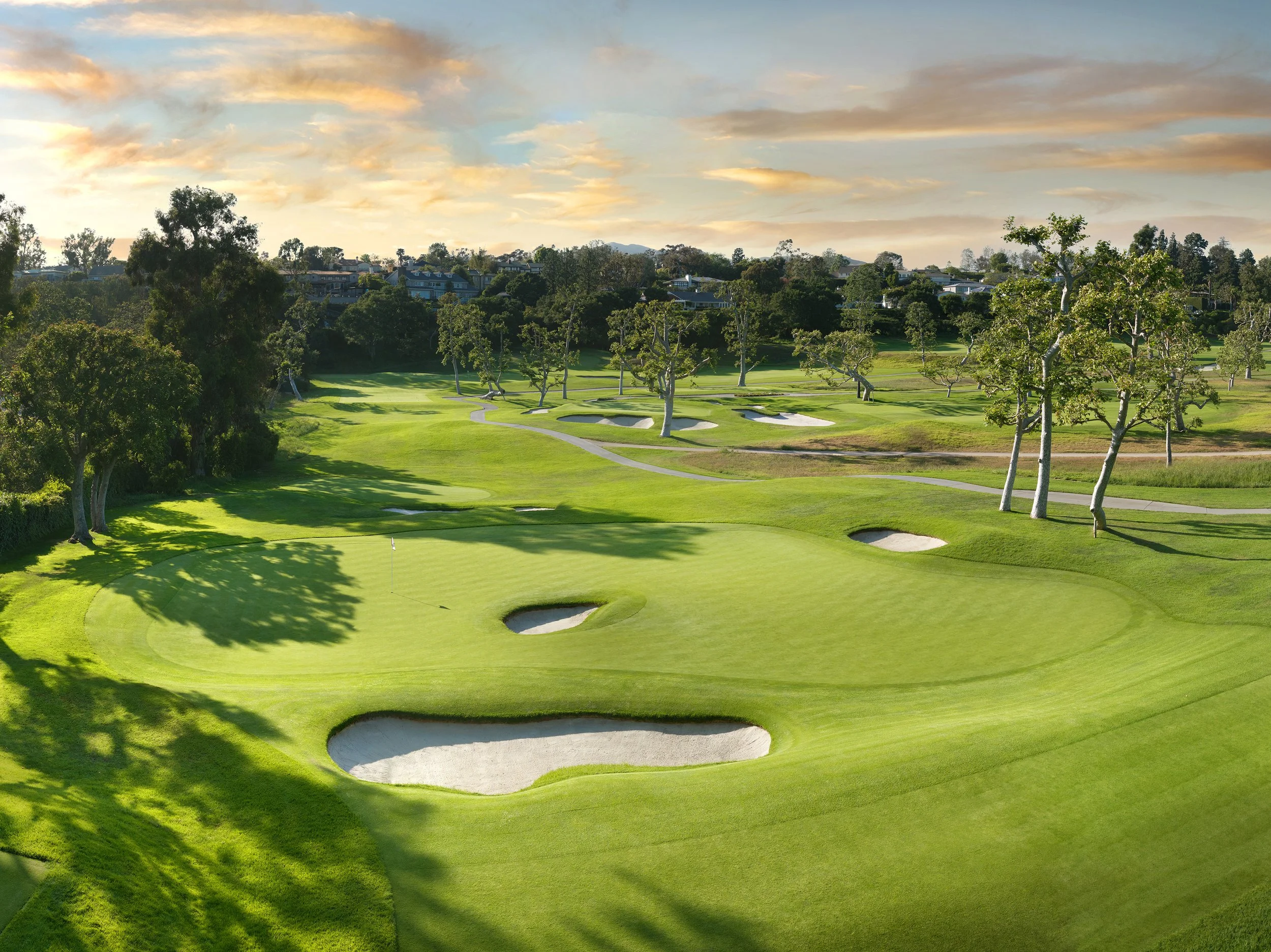
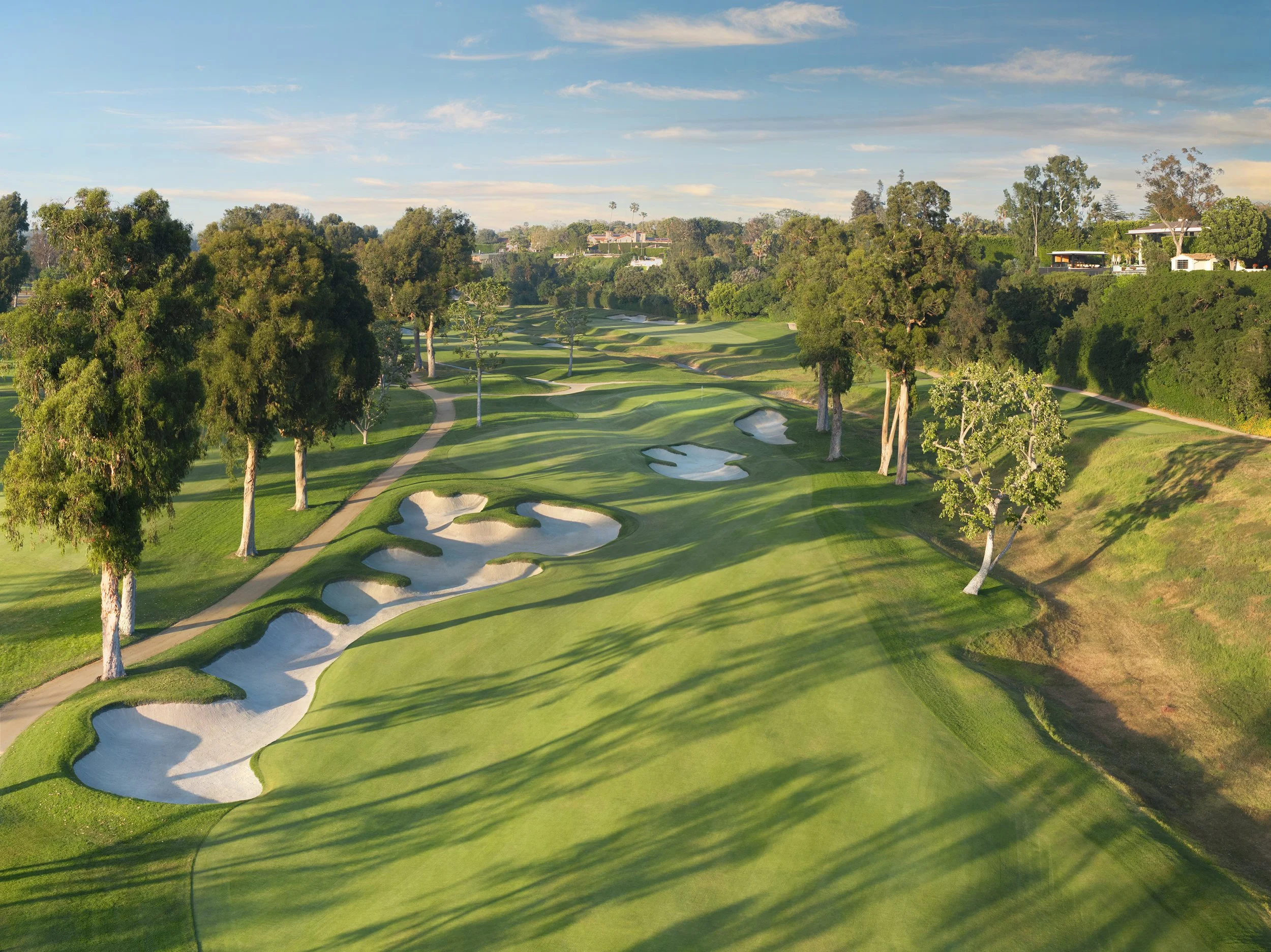
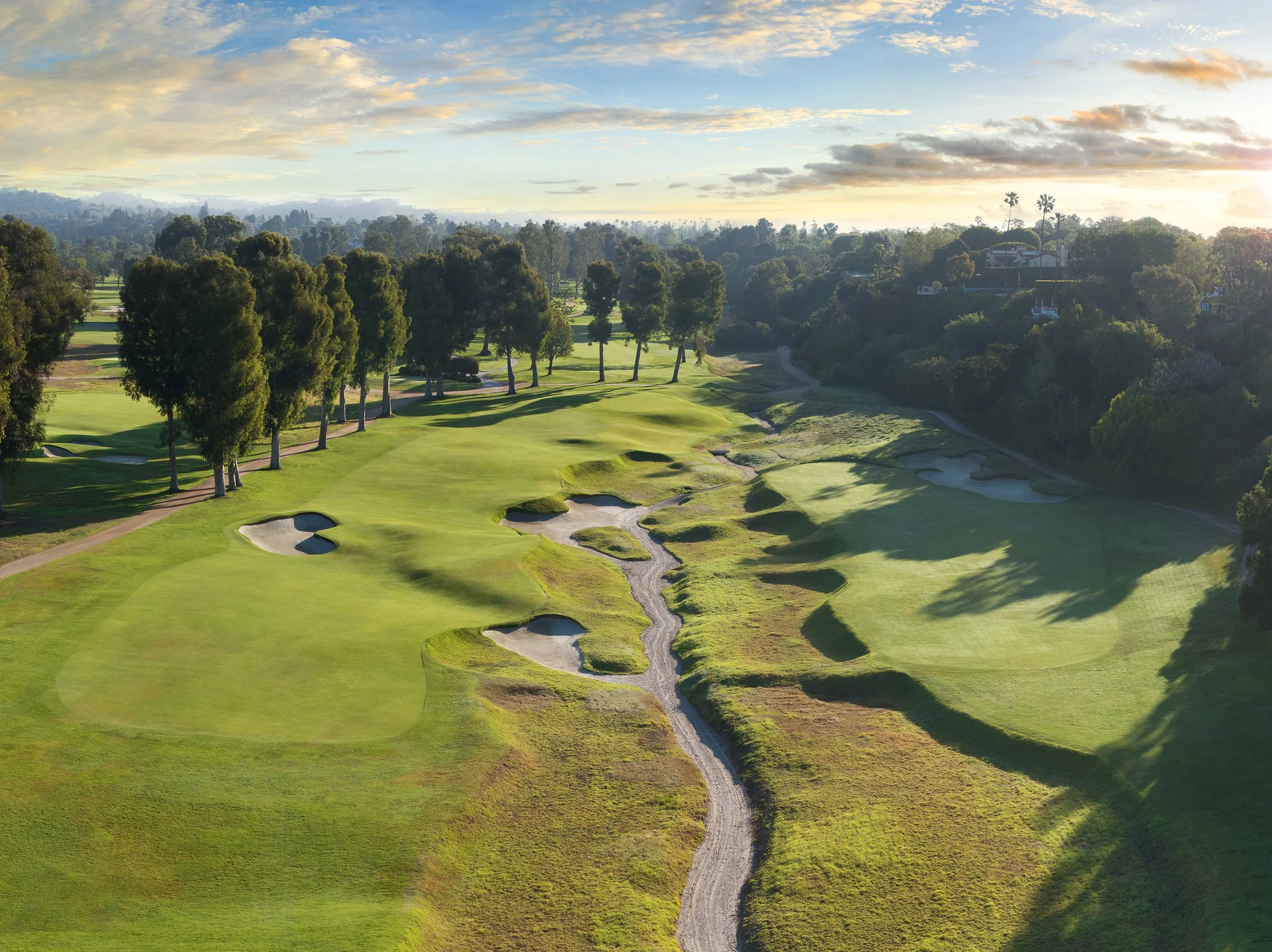
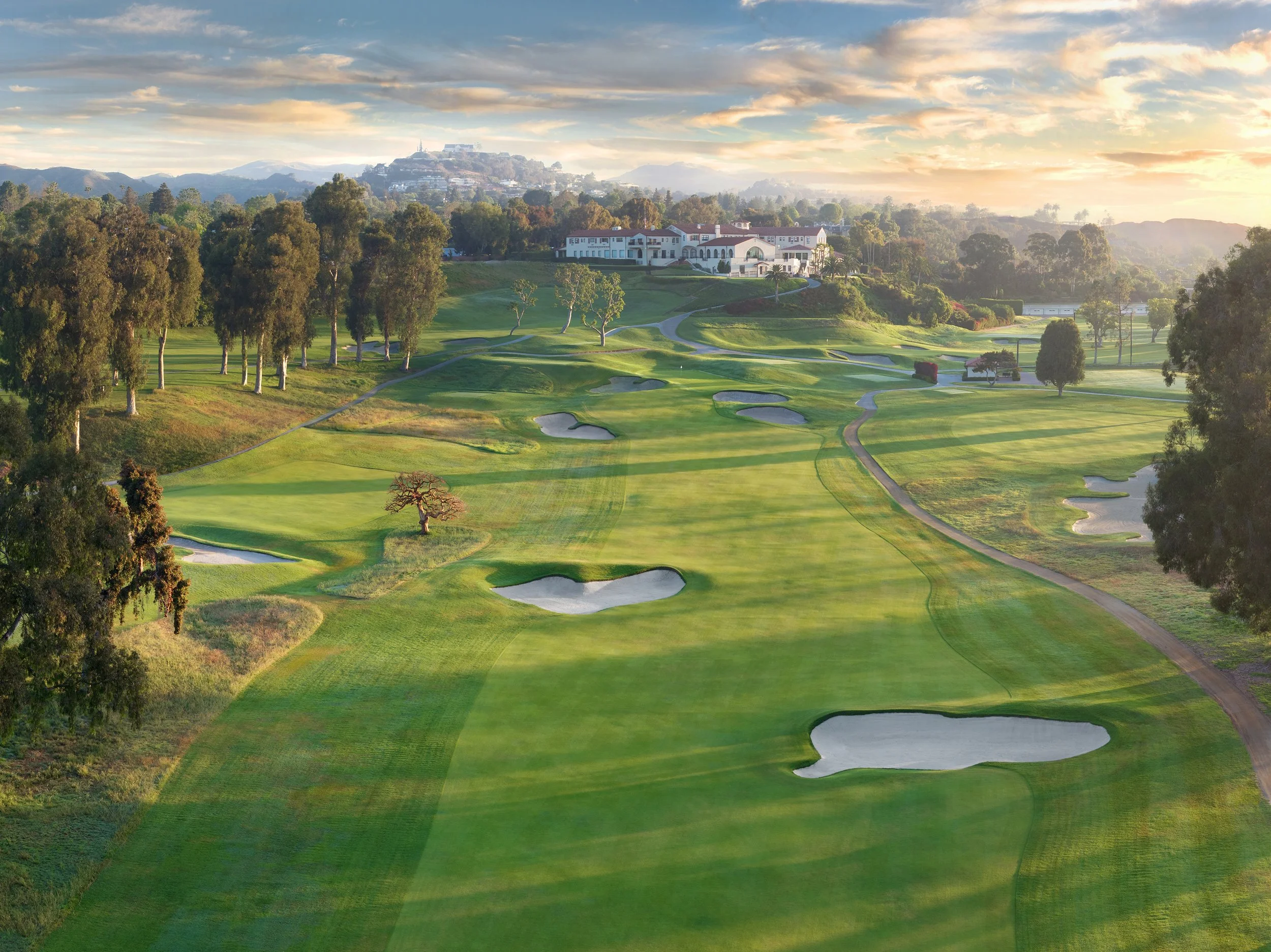
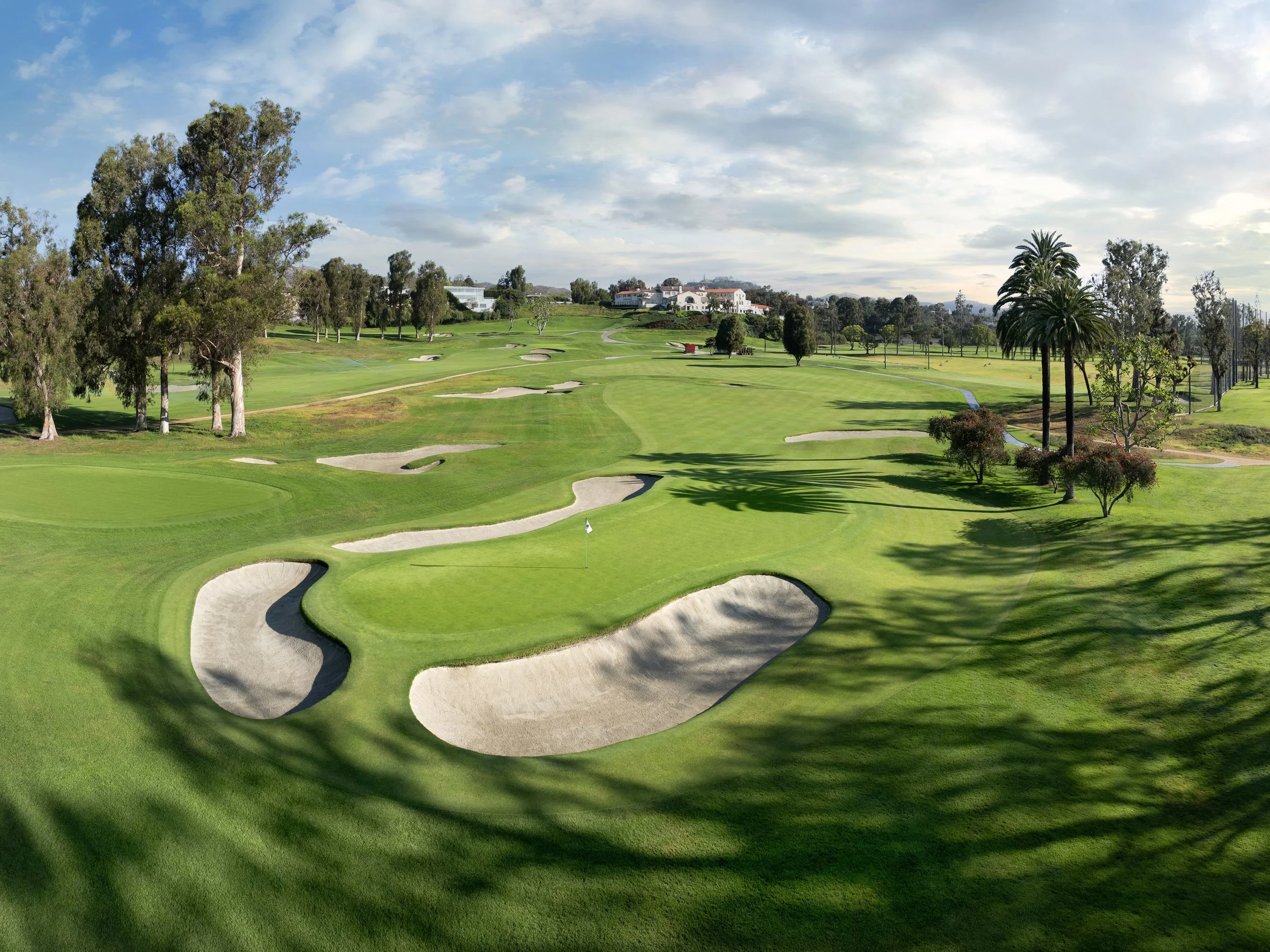
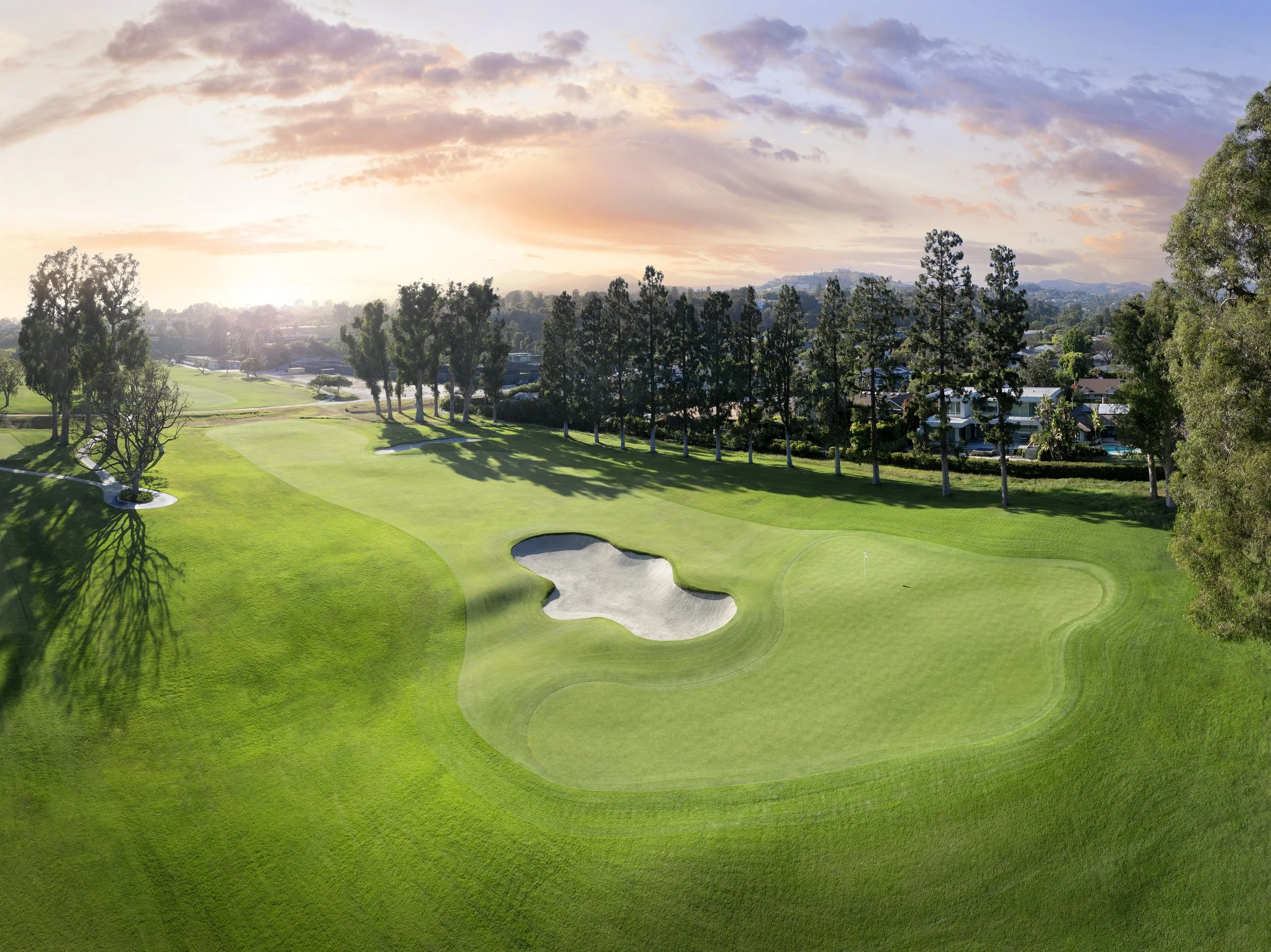
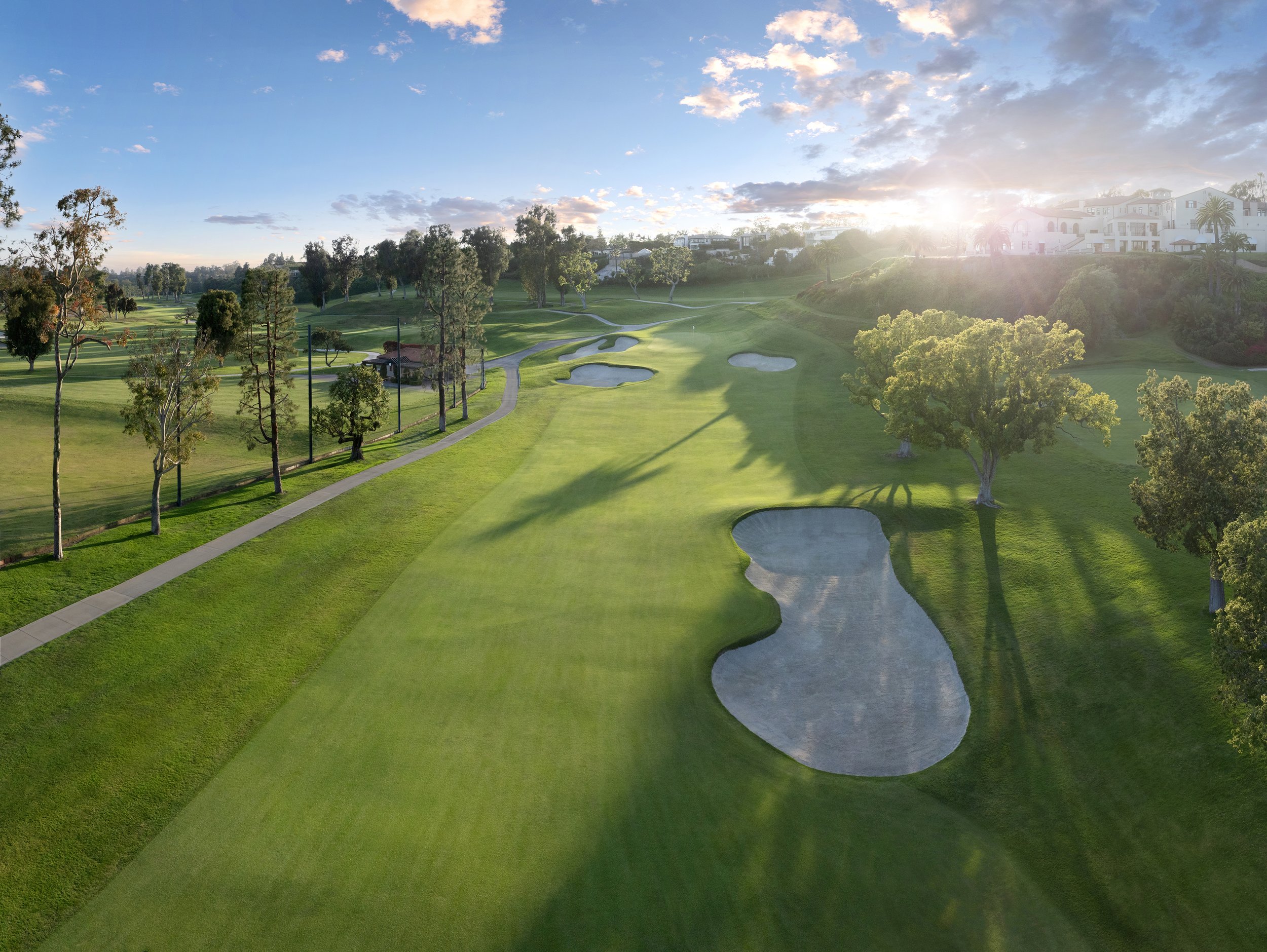

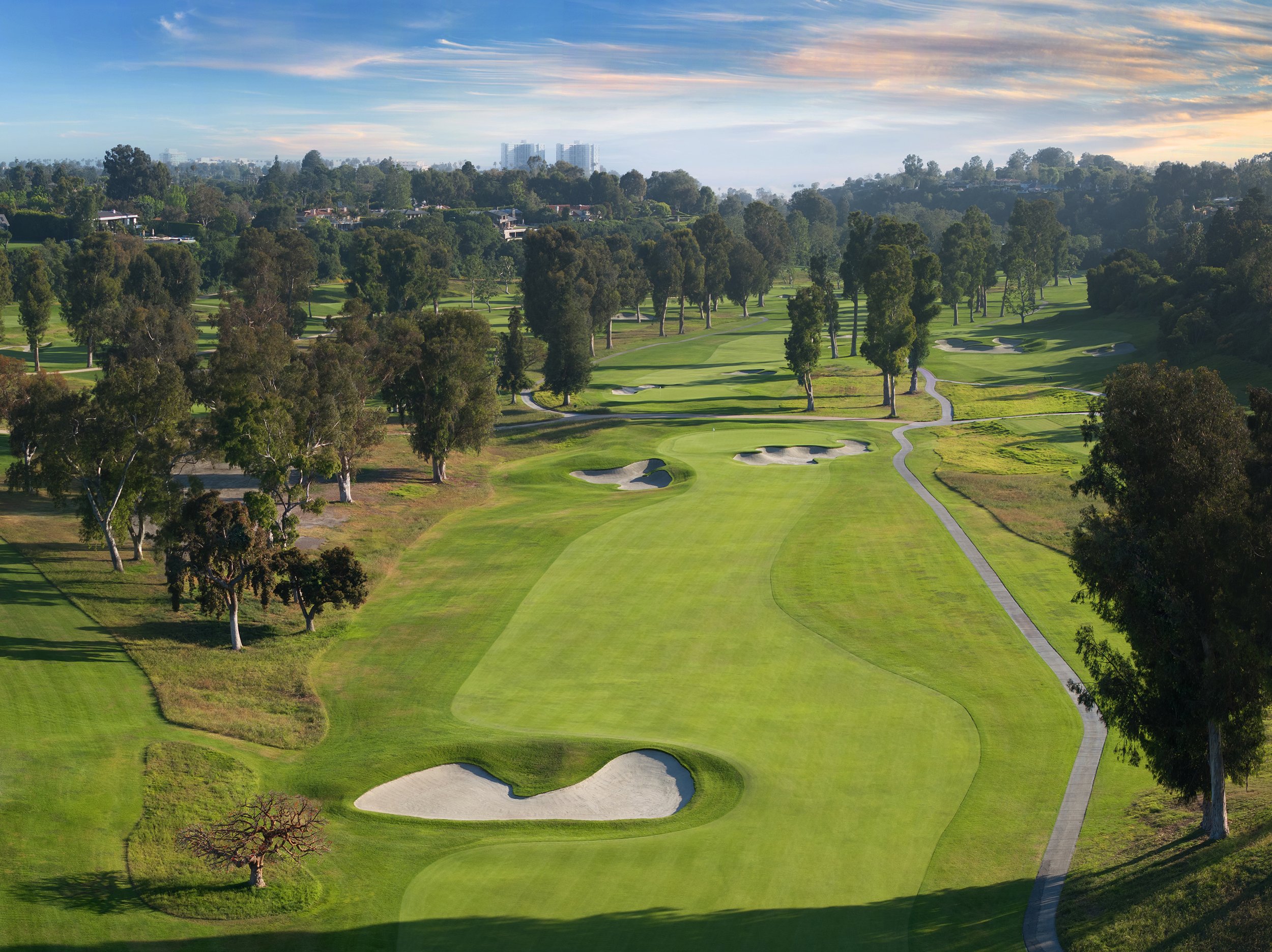
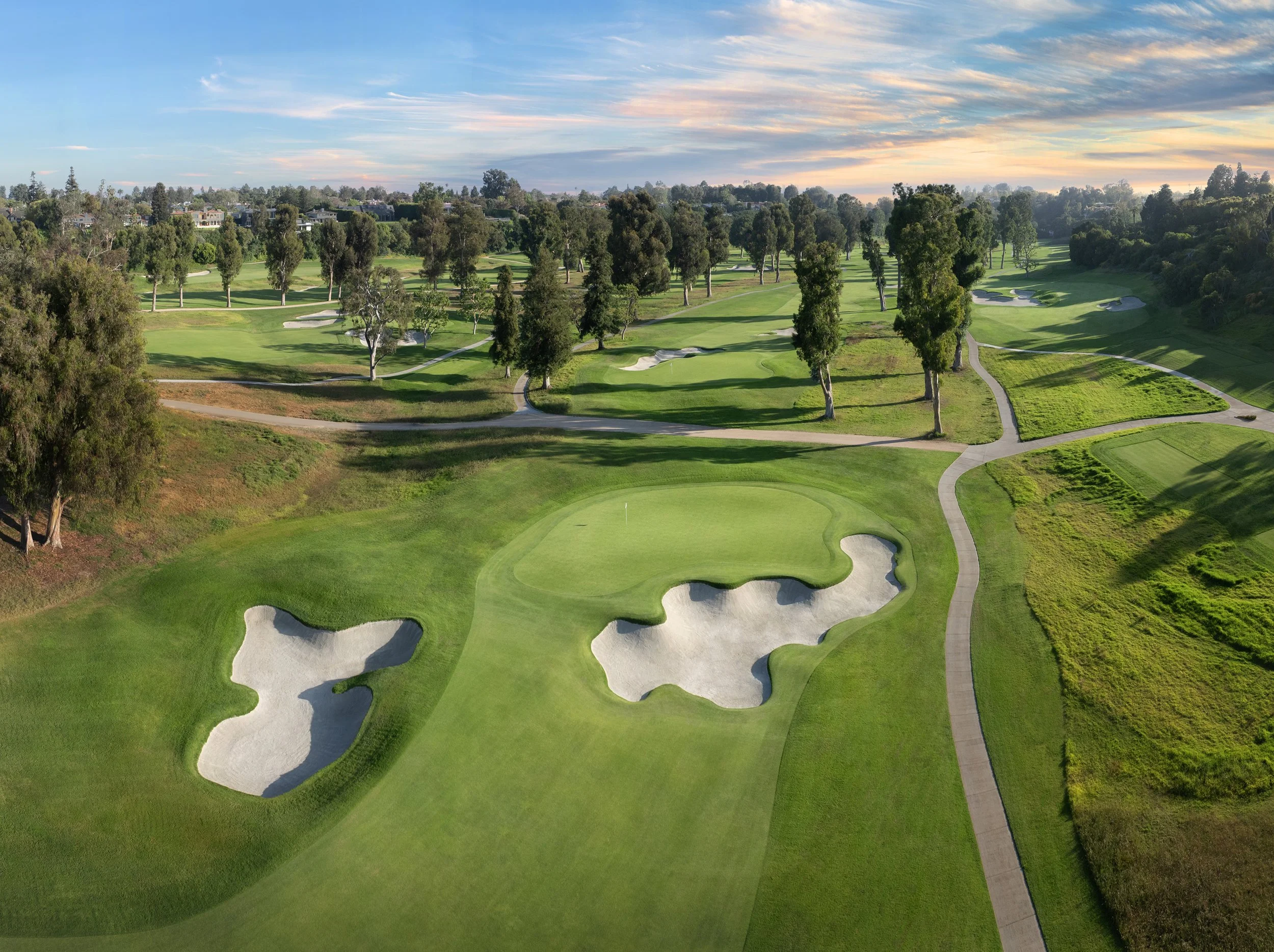
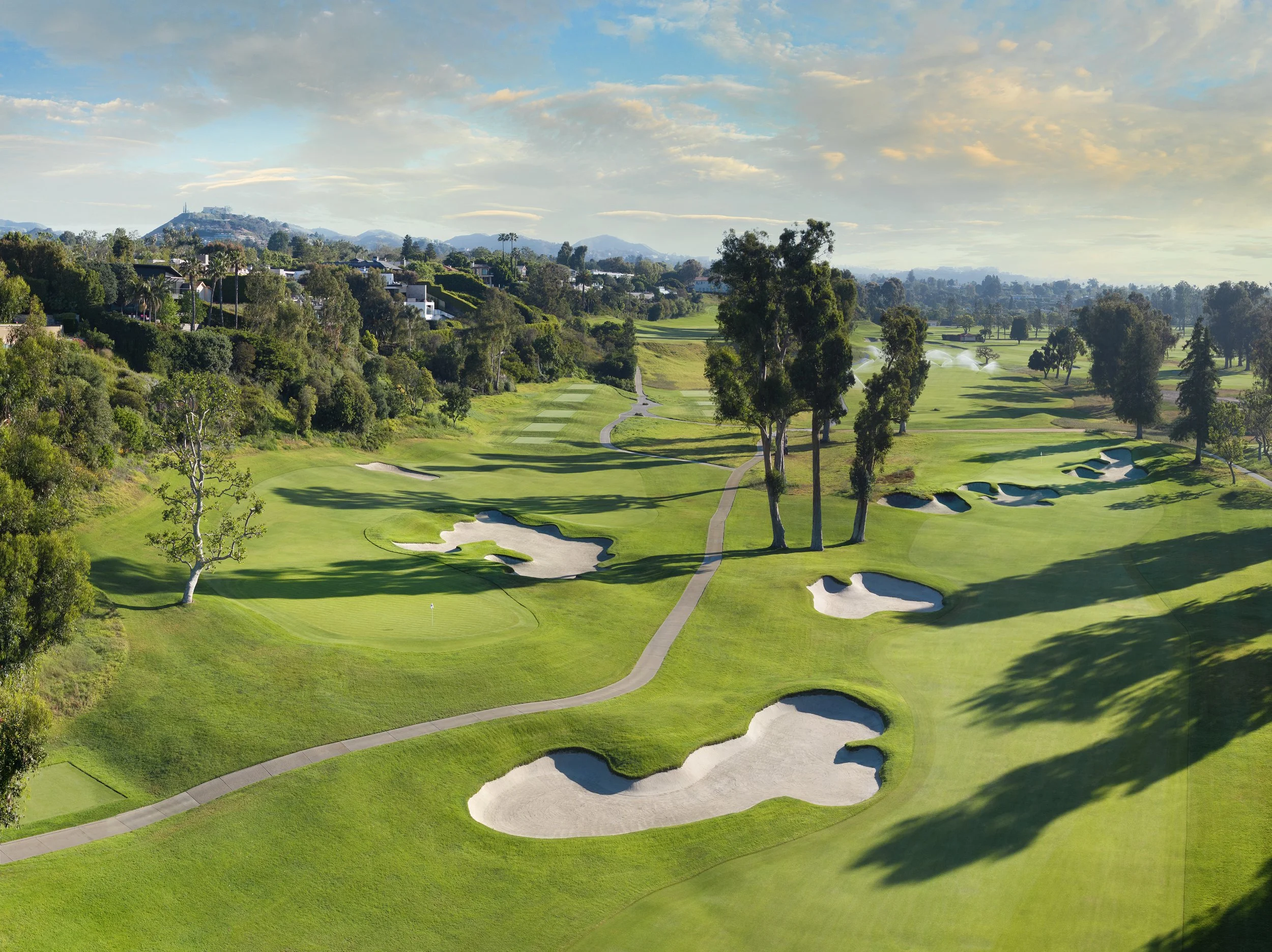
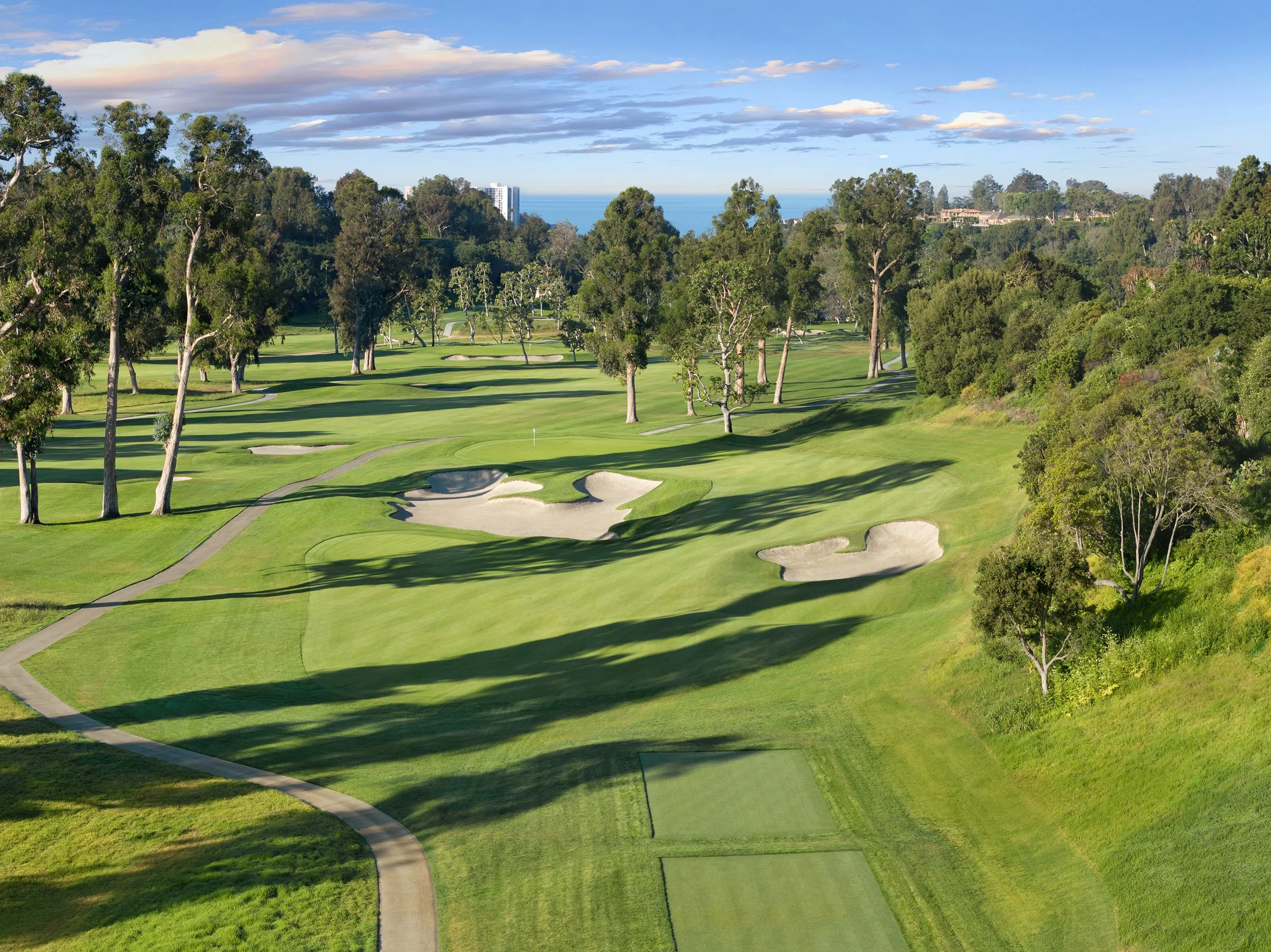
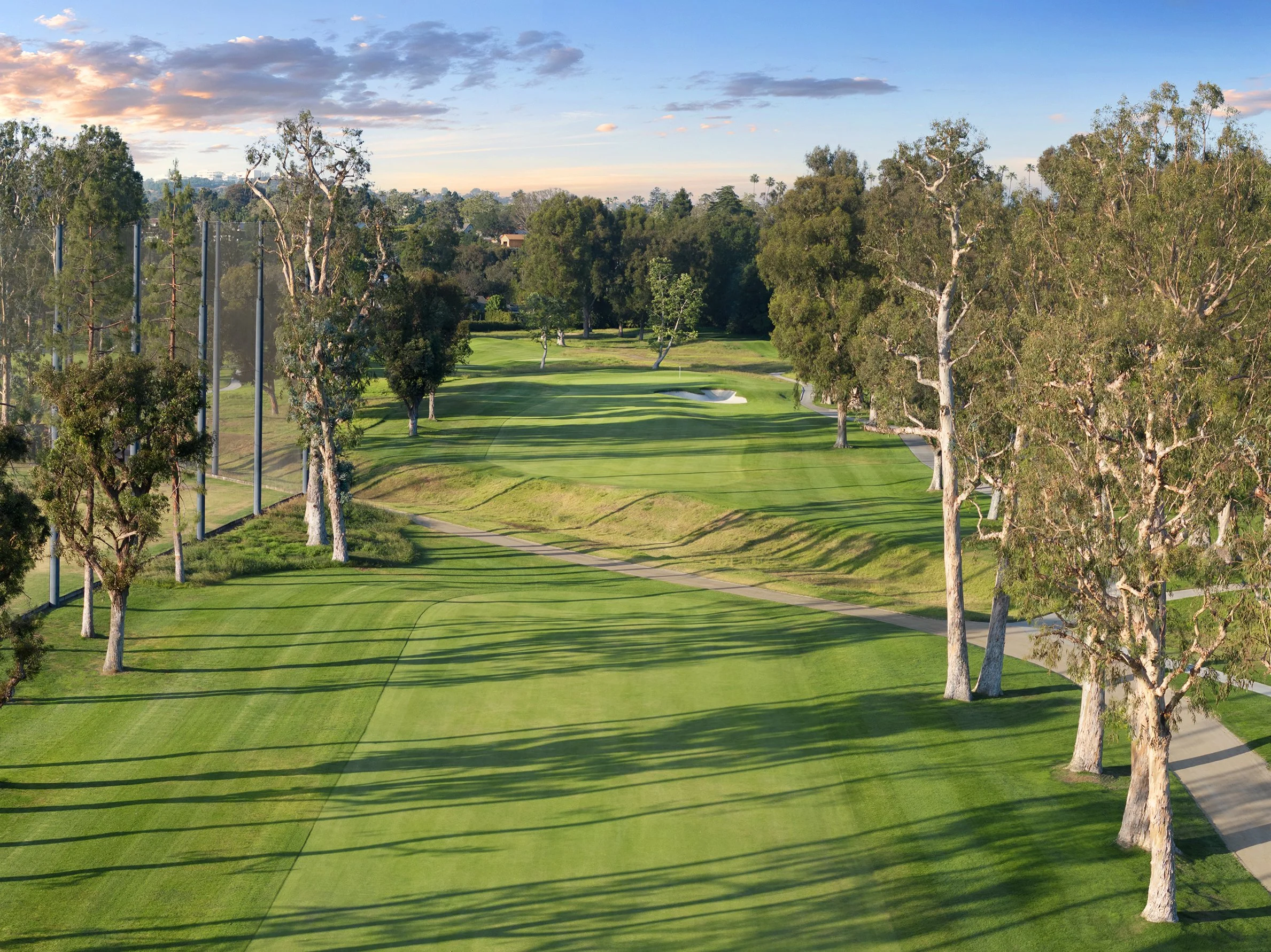
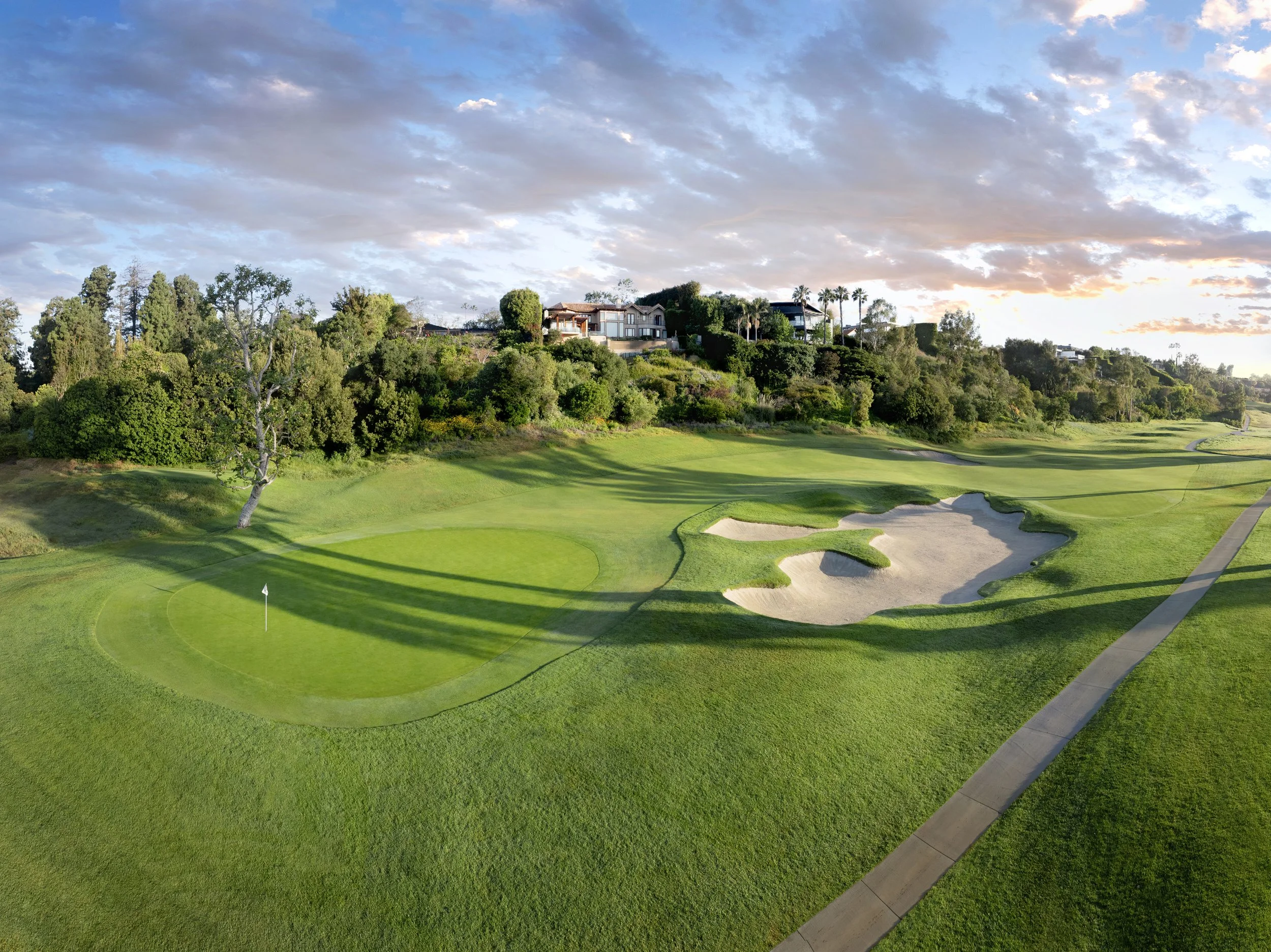
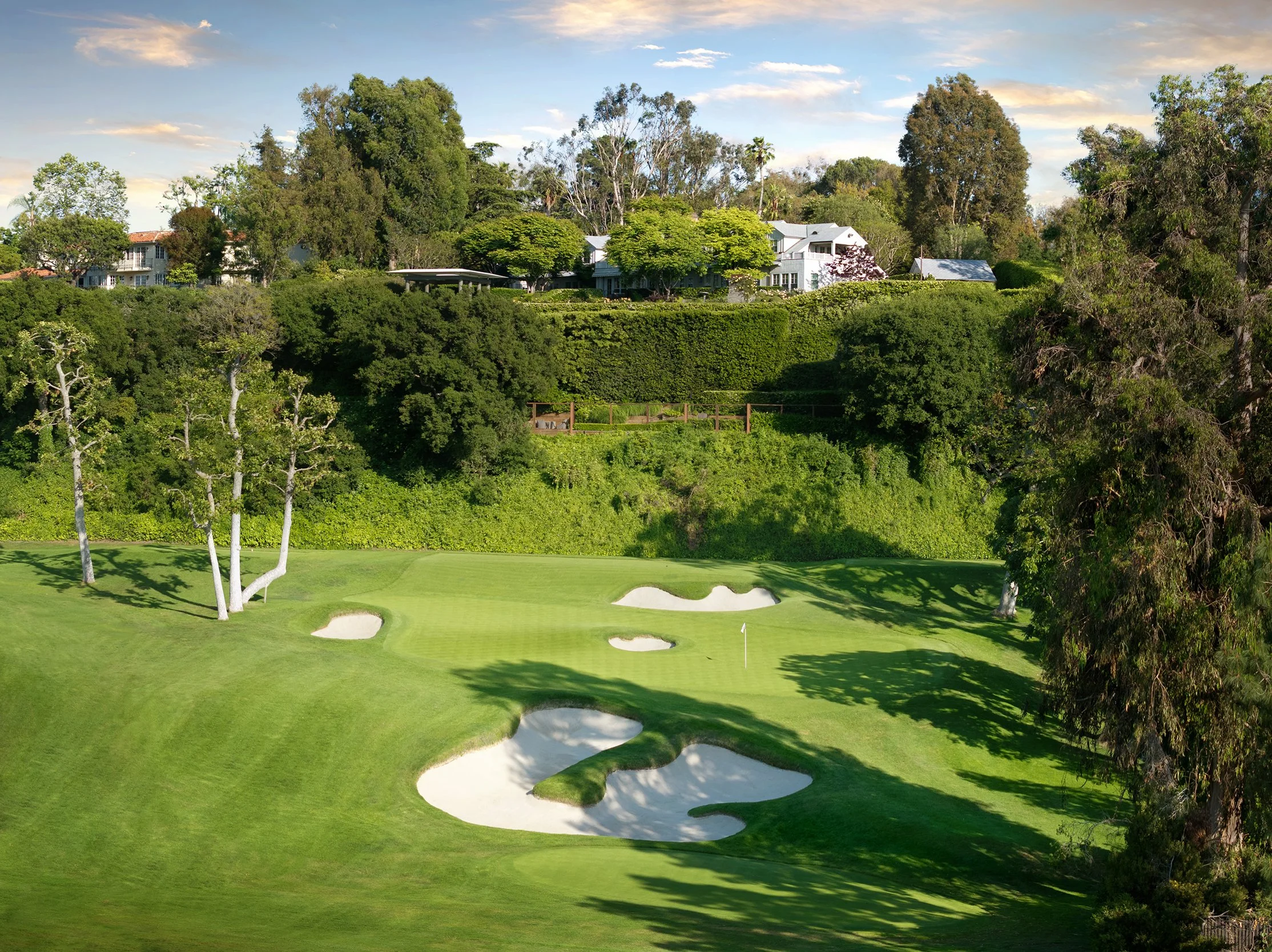
And now, as it enters its second century, Riviera is once again set to take center stage on the world golf calendar. With the U.S. Women’s Open arriving in 2026, Olympic golf returning in 2028, and the U.S. Open coming back in 2031, the course will continue its role as both a proving ground and a showcase. Riviera has always had that rare combination of history, elegance, and competitive edge — the kind of course that challenges the best without saying a word. A hundred years in, it hasn’t lost a step. If anything, it feels like it’s just hitting its stride.
The Genesis itself has become one of the premier events on the PGA TOUR schedule — not just because of its setting, but because Riviera has a way of revealing greatness. Whether it’s Hogan, Watson, Couples, or Tiger Woods — who now serves as host and steward of the tournament where he made his first PGA TOUR start — Riviera remains what it has always been: a beautiful, demanding, elegant challenge. A proper golf course.
For those of us who’ve walked its fairways year after year — in my case, as a volunteer at The Genesis Invitational for three decades — Riviera is also personal. It’s where I've seen the game played at its absolute highest level, where strategy, shotmaking, and temperament are constantly tested. It’s a course that doesn’t need to be tricked up. It doesn’t need to shout. It just asks all the right questions.
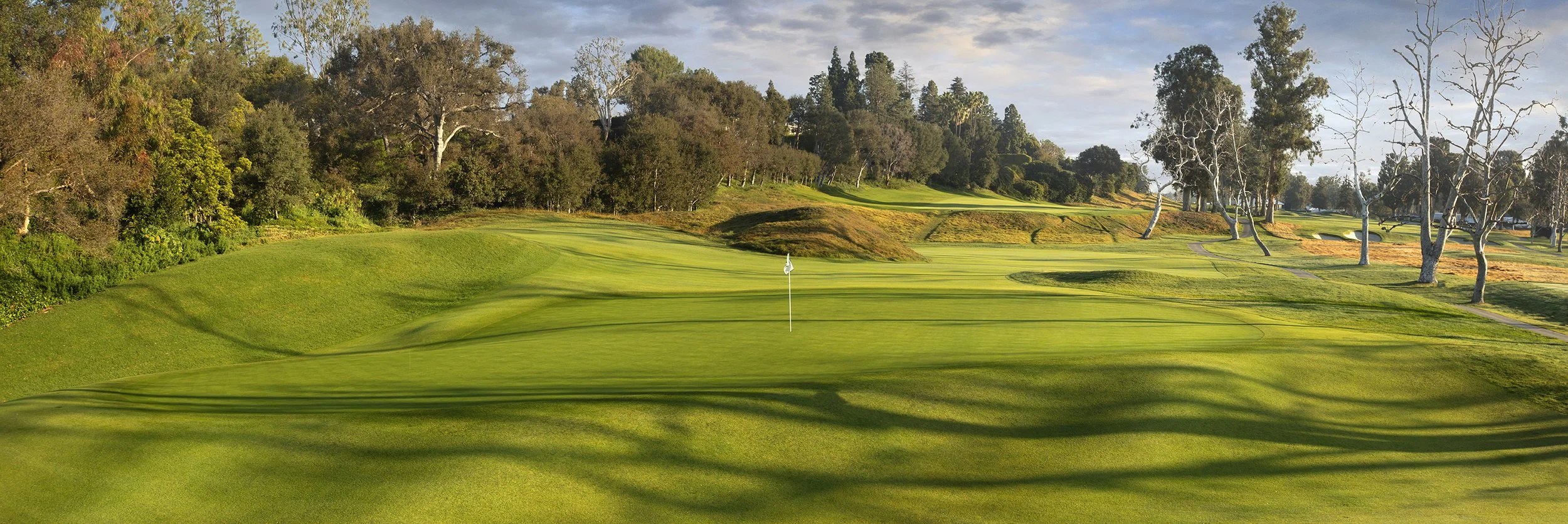
Ben Hogan’s legacy at Riviera Country Club is etched deeper than any divot ever taken from its fairways. In 1948, he won the Los Angeles Open and, just months later, claimed the U.S. Open on the very same course — a feat so dominant they dubbed it “Hogan’s Alley.” He won the LA Open again in 1947 and 1950, and even in his later years, post-accident, Riviera remained one of the few places where Hogan looked entirely at home. The course seemed to suit his game perfectly — demanding precision, strategy, and absolute control. No frills, no fluff — just fairways, greens, and the truth. Hogan respected Riviera, and Riviera returned the favor.
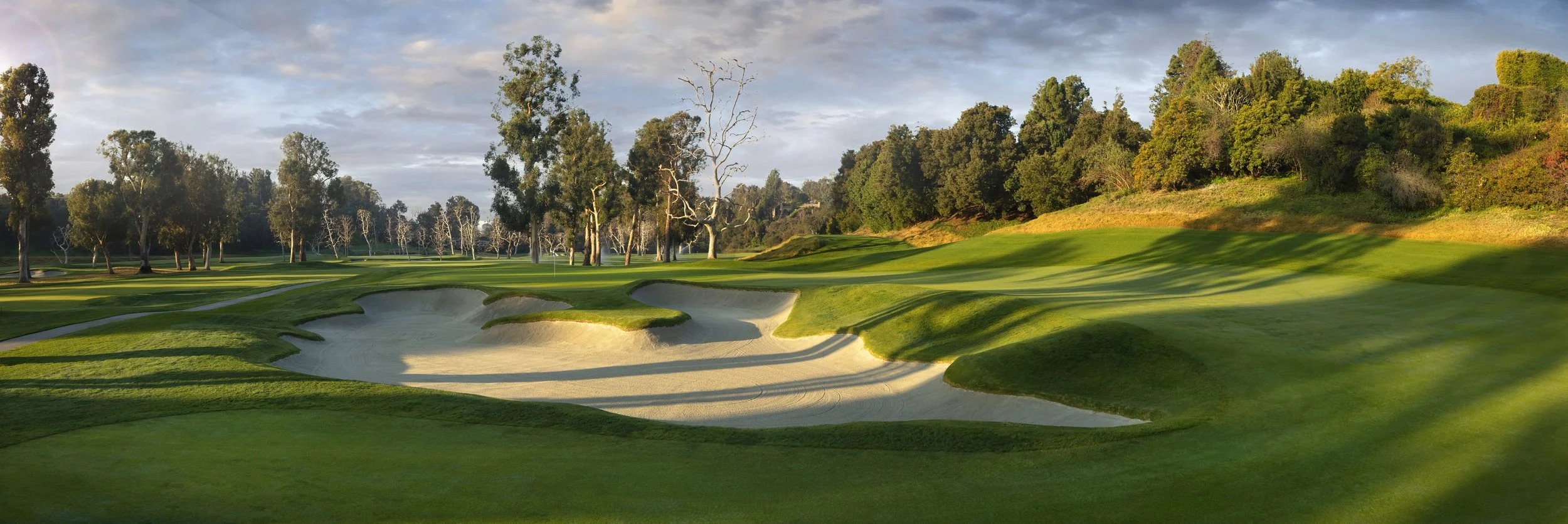
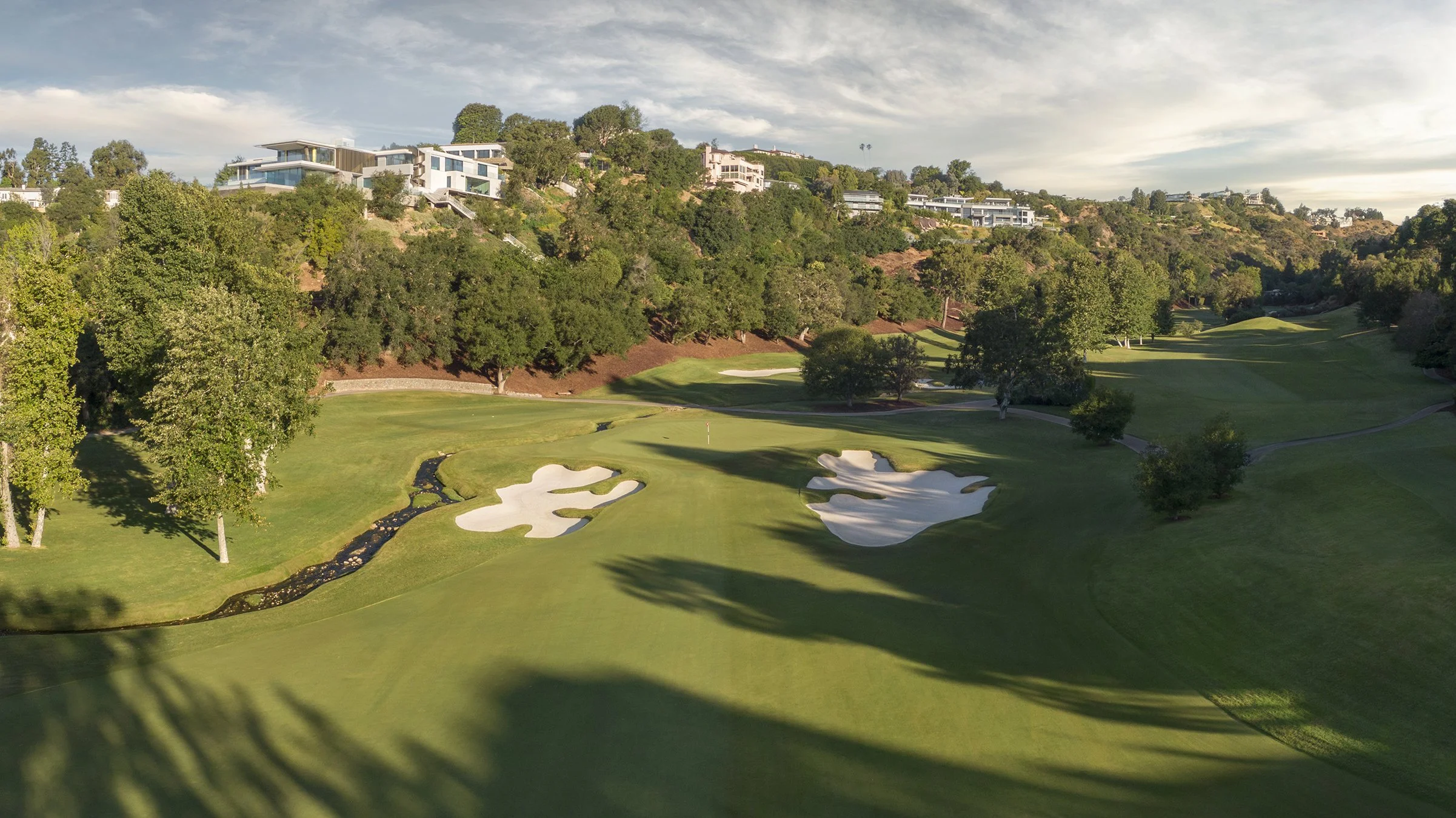
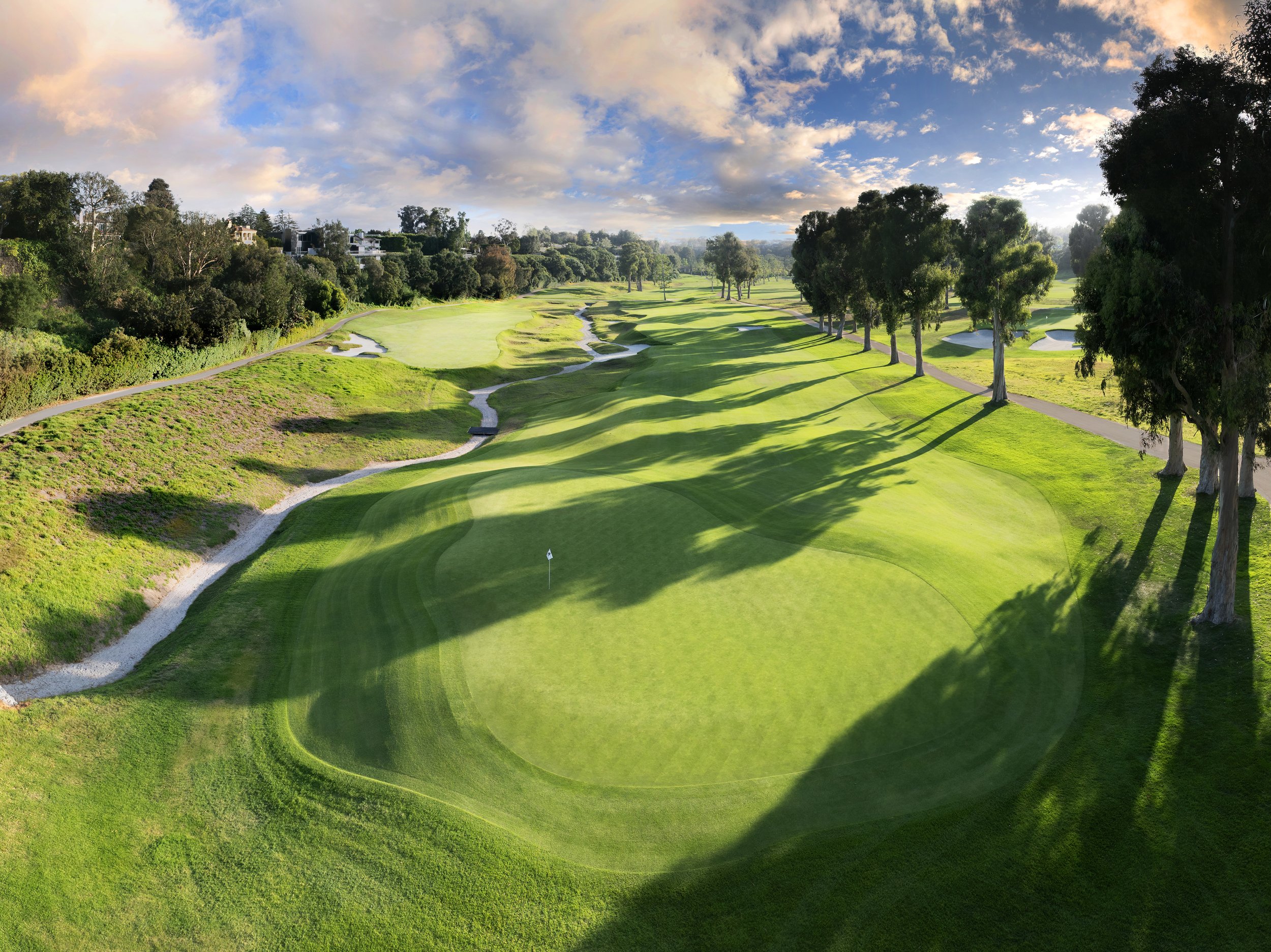
The long par-three 4th at Riviera (above) is one of the most iconic and uncompromising one-shotters in championship golf. Stretching well over 230 yards today — and lengthened in recent years to keep pace with the modern game — it remains a brutally honest test where par still feels like a small victory. With its deep bunkers guarding a narrow, elevated green and a prevailing breeze that always seems to be working against you, it demands both precision and nerve. Ben Hogan was said to admire the hole deeply, calling it one of the finest par threes he ever played. And considering Hogan didn’t dish out praise lightly, that’s saying something. It’s the kind of hole that doesn’t need tricks — just a long iron or hybrid, a pure strike, and a short memory.
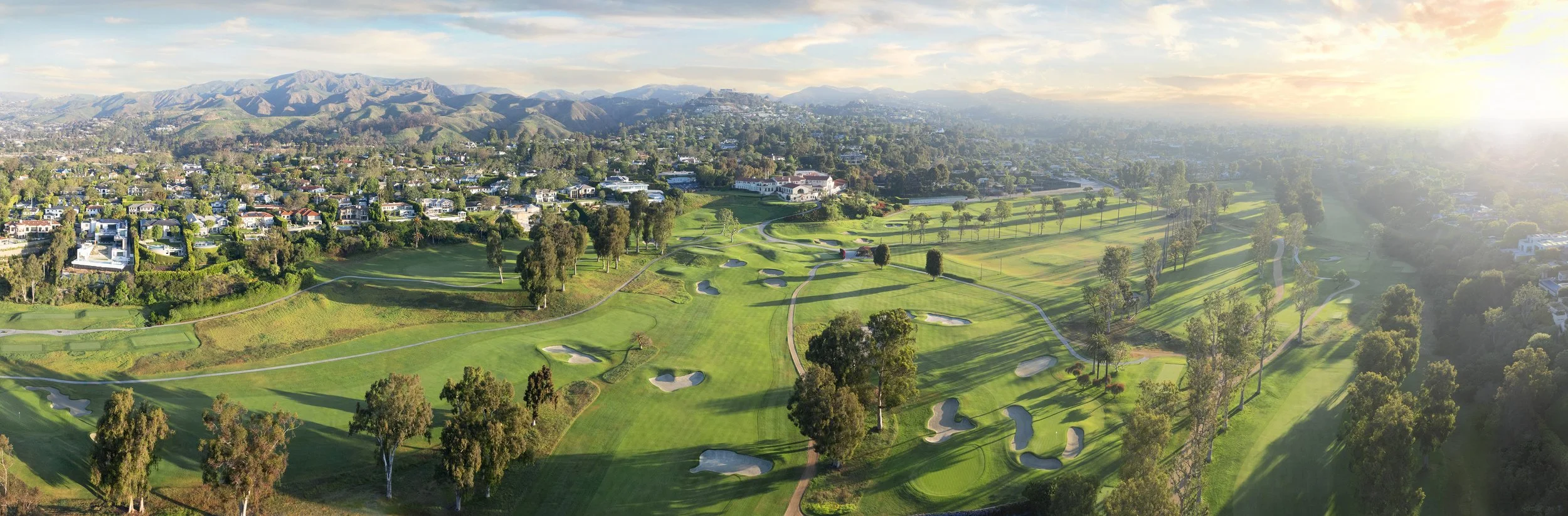

Seventeen Awards, One Approach.
I was honored to receive eight awards at the New York Photography Awards and nine gold awards at the London Photography Awards for my work at The Riviera Country Club — seventeen awards for a single series, and not judged against other golf course photography, but against professional photographers from around the world across every genre. The recognition spanned Drone, Advertising, Luxury, Sports, Environmental, and Editorial, reflecting the versatility of the approach I bring to golf course photography — one that goes beyond documenting a course and presents the club through a marketing lens, creating imagery that works as hard for the brand as it does for the sport.
Montammy Golf Club

Montammy Golf Club, nestled in the quiet hills of Alpine, New Jersey, is the kind of place that doesn’t need to raise its voice. Just a short drive from Manhattan, it offers a graceful retreat from the noise of the world — understated, private, and deeply rooted in tradition. There’s a stillness here, a rhythm, that immediately tells you you’re somewhere special. It’s classic, but never dated. Refined, but never rigid.
The course winds through mature hardwoods and gentle elevation changes with a routing that feels natural, unforced — as if the land had always intended to be a golf course. Tree-lined fairways frame each shot with purpose. Elevated tees offer moments of quiet theater. And the bunkering, understated but strategic, asks all the right questions. It’s golf that rewards thought over muscle, tempo over tempo. The greens are fast and true, the walk is pleasant, and the round ends far too soon.
But Montammy is more than just a golf course. It’s a setting. A feeling. A club where every detail — from the grooming of the practice range to the view from the patio — feels intentional. There’s no need for spectacle here; the beauty is in the restraint. It’s the kind of place that stays with you. The kind of course you remember not just for one hole, but for how it made you feel the entire round. And in the end, isn’t that what the game is all about?


It’s a course that challenges the low handicapper while remaining playable for the everyday member—no small feat, and precisely what Jones does best. There’s a new energy at Montammy. It’s elegant. It’s demanding. And most of all—it’s fun.
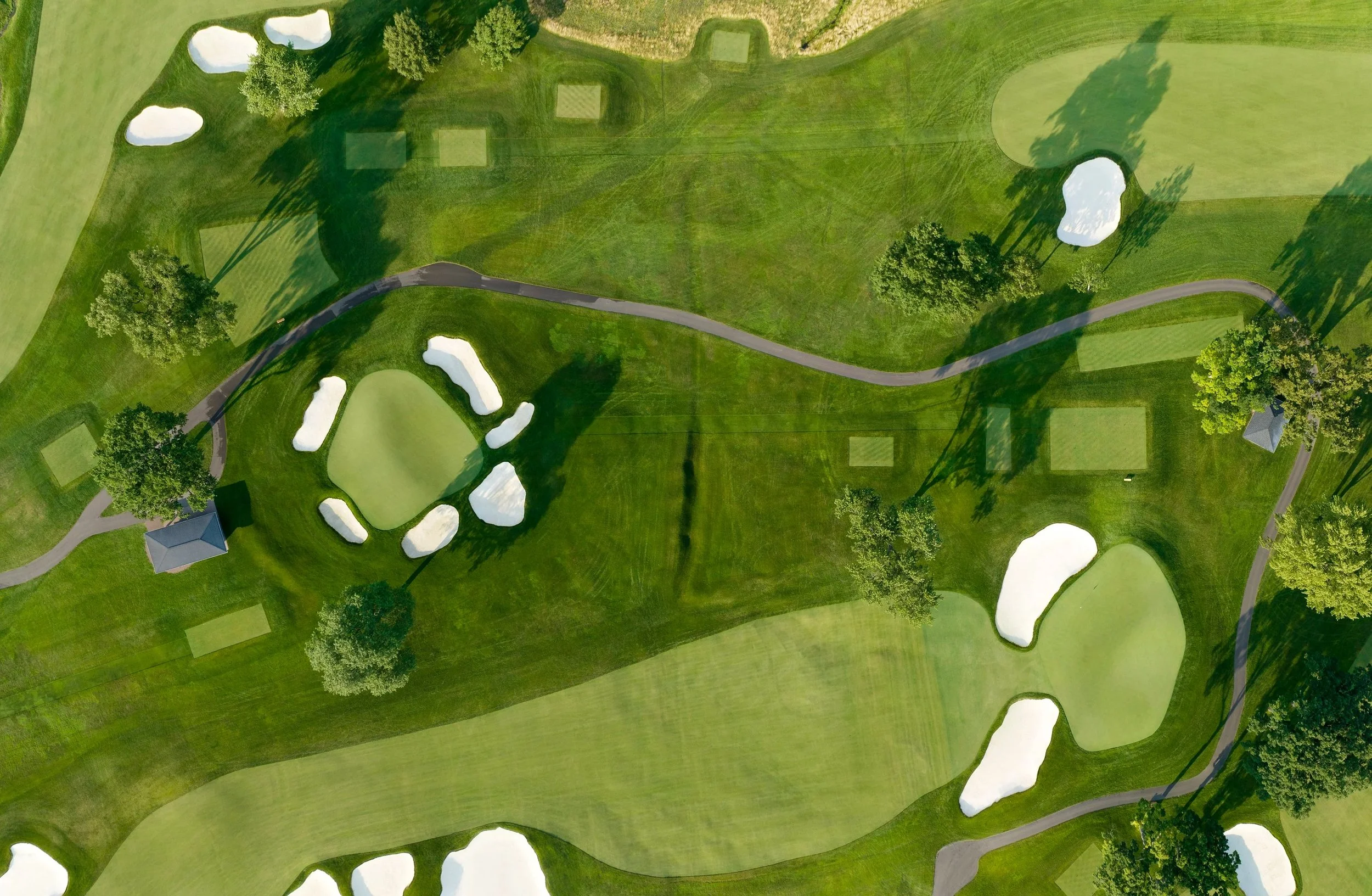
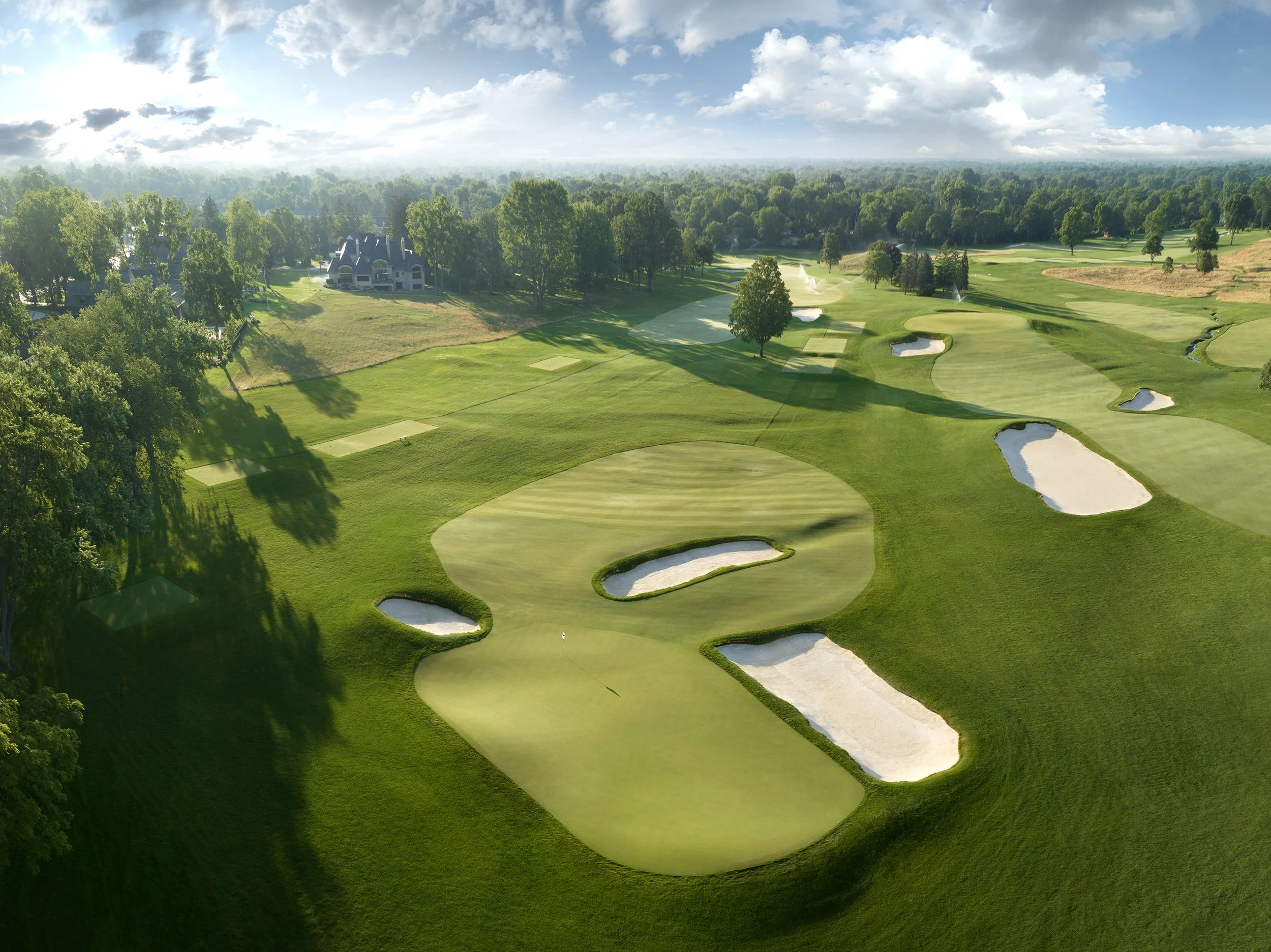
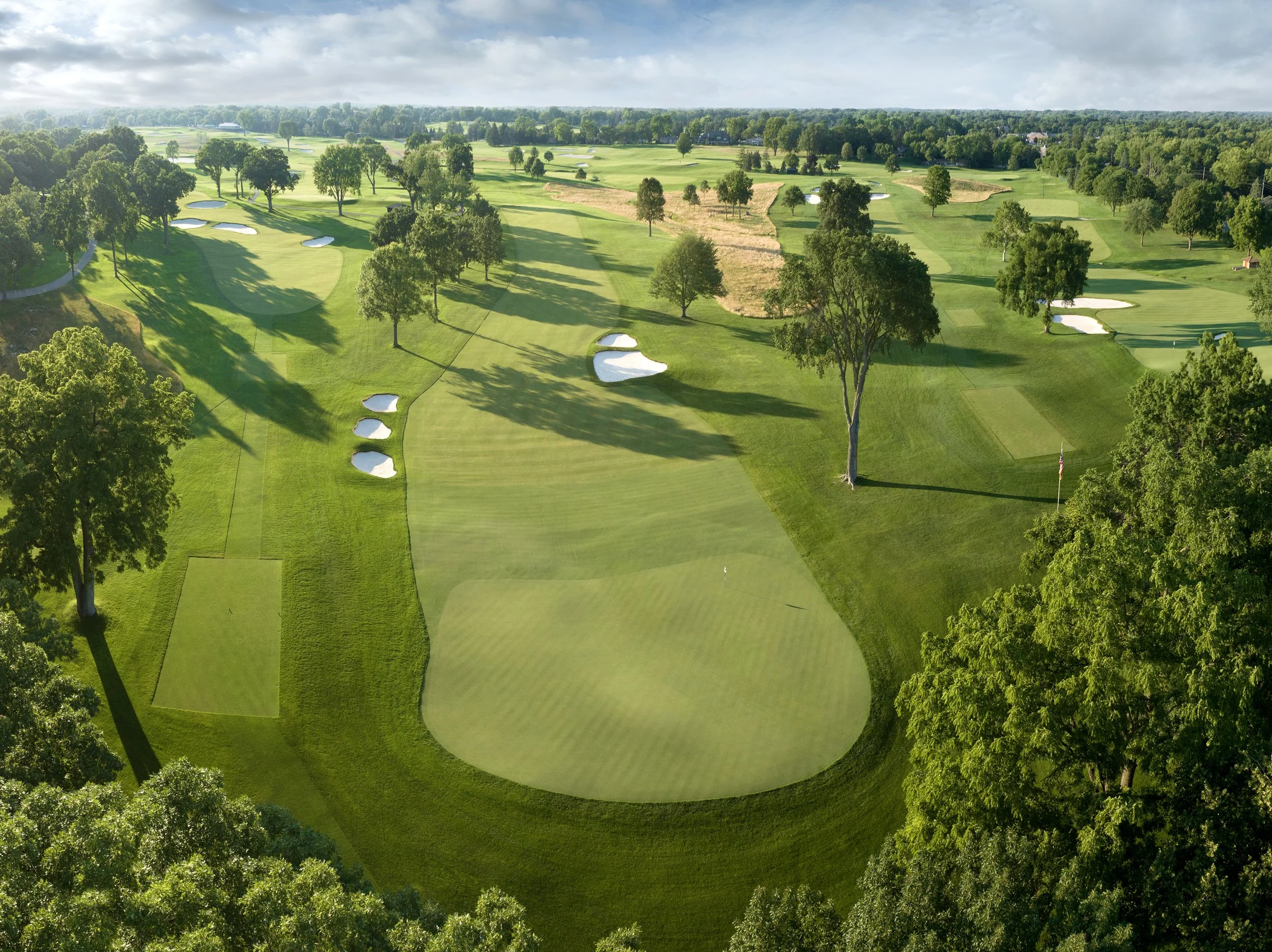
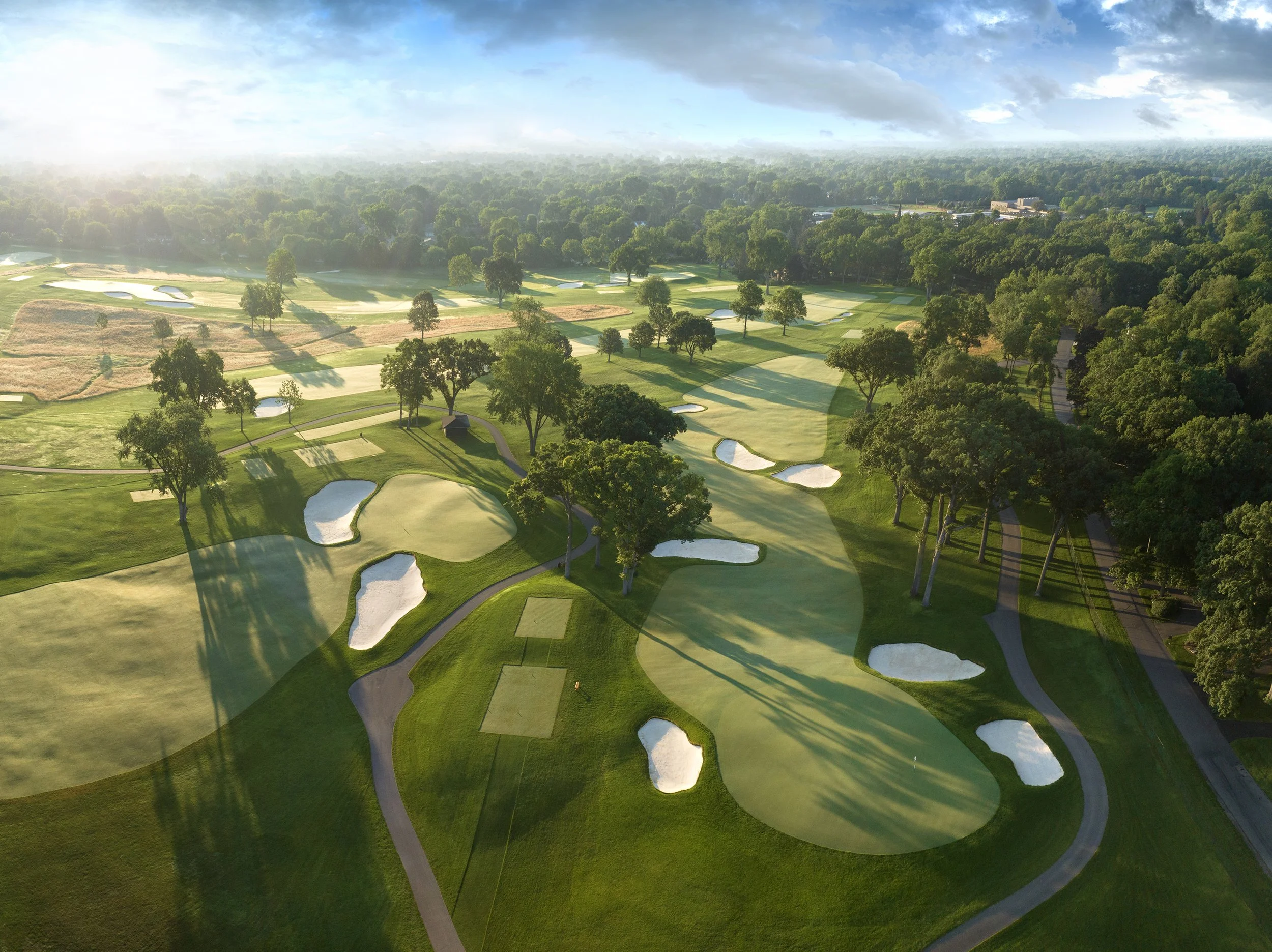
Oakland Hills Country Club
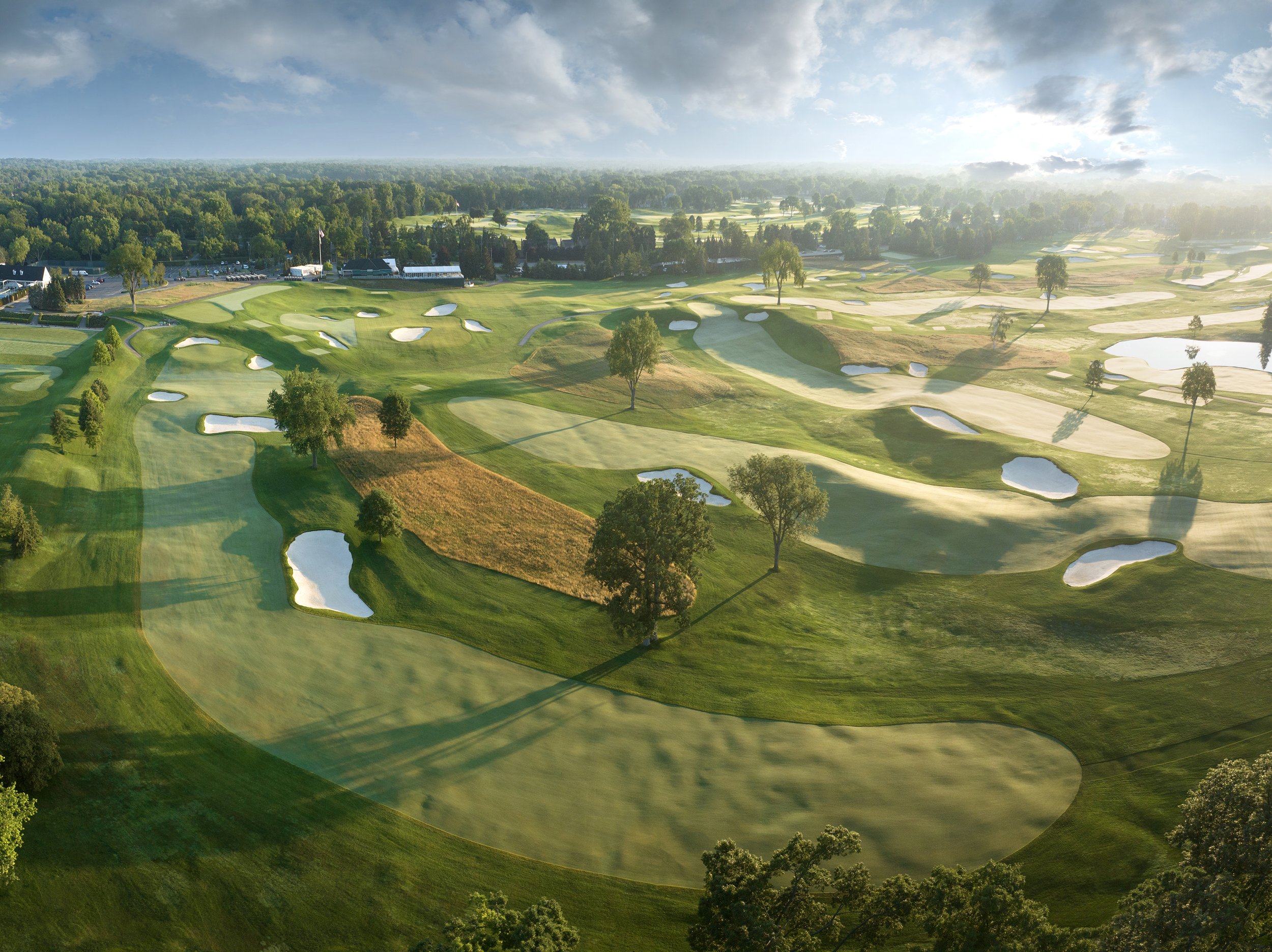
Donald Ross felt his 1918 design was out-of-date for the 1951 U.S. Open and was prepared to remodel it. Sadly, he died in 1948, so Robert Trent Jones got the job. His rebunkering was overshadowed by ankle-deep rough, and after Ben Hogan closed with a 67, one of only two rounds under par 70 all week, to win his second consecutive Open, he complained that Jones had created a Frankenstein.

Frustrated with not being selected for any major championships for at least two decade period, Oakland Hills decided to undergo a complete renovation of the South Course in 2019. Led by Gil Hanse, the renovation removed trees, increased the size of greens and removed bunkers while increasing the size of the remaining ones.
The main goals of the renovation was to make play easier for the membership, while making the course formidable for potential major championships.
With six US Opens Oakland Hills is behind only Oakmont and Baltusrol for hosting the most national championships. The club has hosted the PGA Championship three times as well as the 2004 Ryder Cup. The next open date for the national championship is 2028.









“I brought this course, this monster, to its knees.”
Ben Hogan