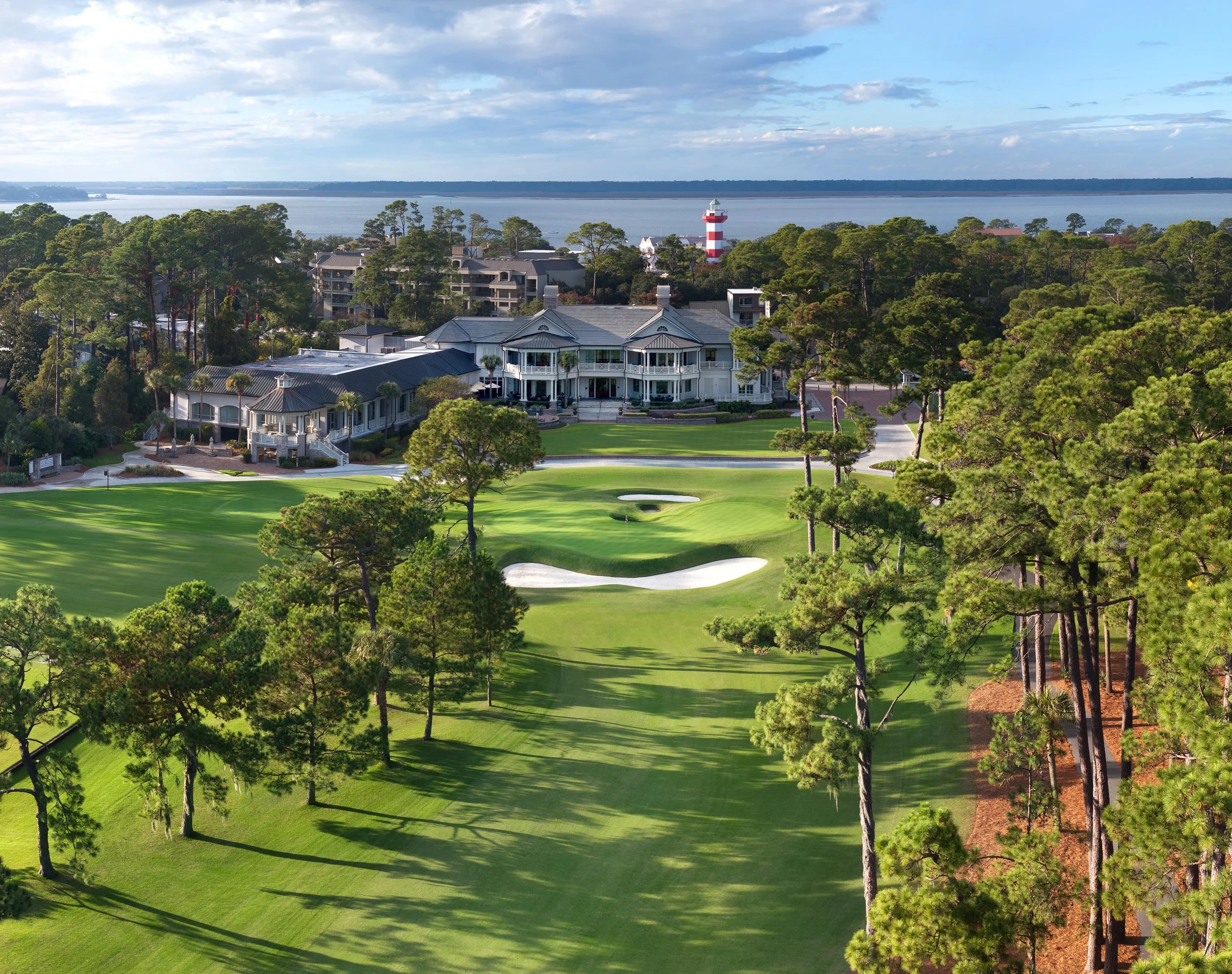
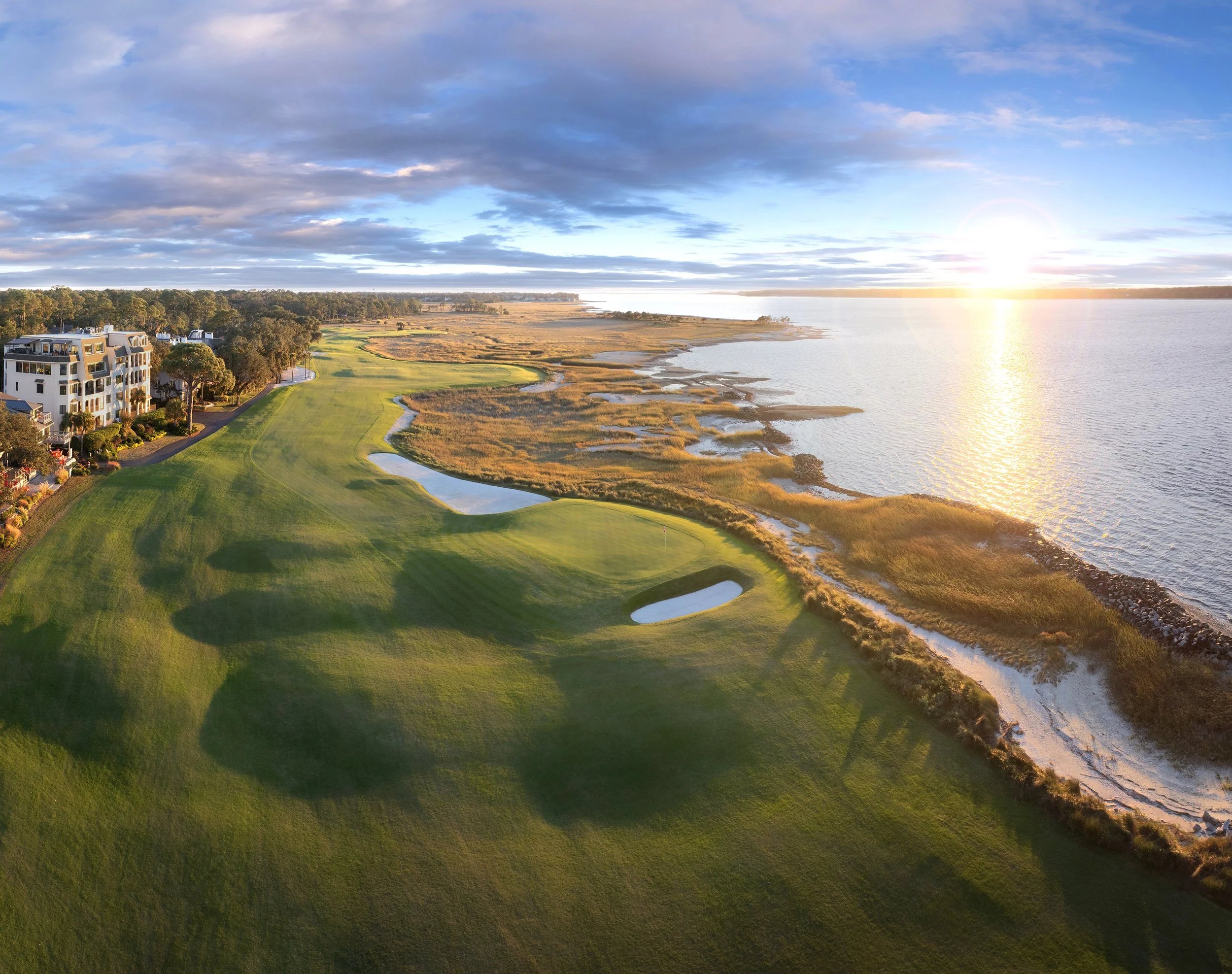
Few golf courses on the PGA Tour have the architectural character, strategic depth, and visual identity of Harbour Town Golf Links. Designed by Pete Dye with input from Jack Nicklaus and opened in 1969, Harbour Town quickly established itself as one of the most distinctive courses in American golf. For a golf course photographer, it’s also one of the most fascinating courses to photograph.
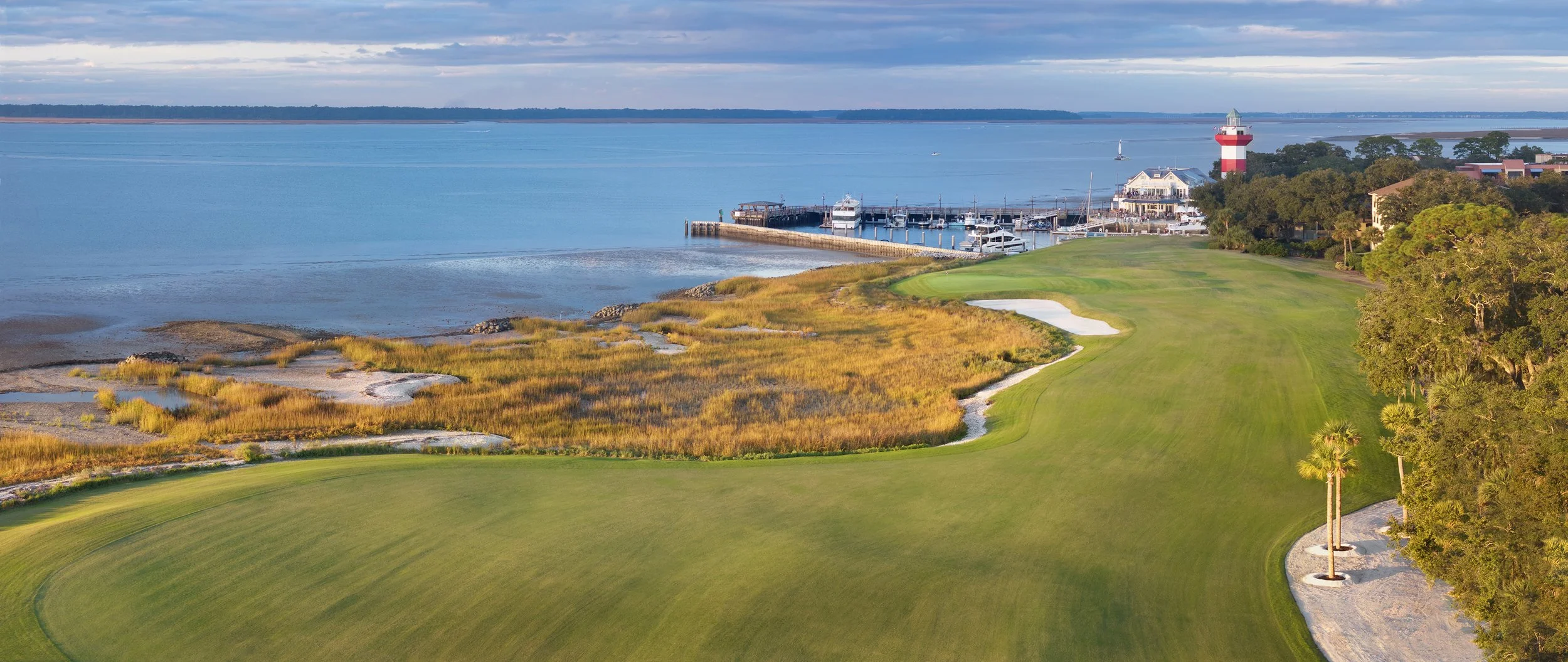
Pete Dye’s philosophy was never about overwhelming golfers with length. Instead, he believed in strategy, angles, and visual deception. Harbour Town embodies that idea from the first tee to the famous lighthouse backdrop on the 18th hole. The fairways are tight, the landing areas are precise, and the greens are small and subtly contoured. Players who succeed here rely on control, creativity, and course management rather than brute force.
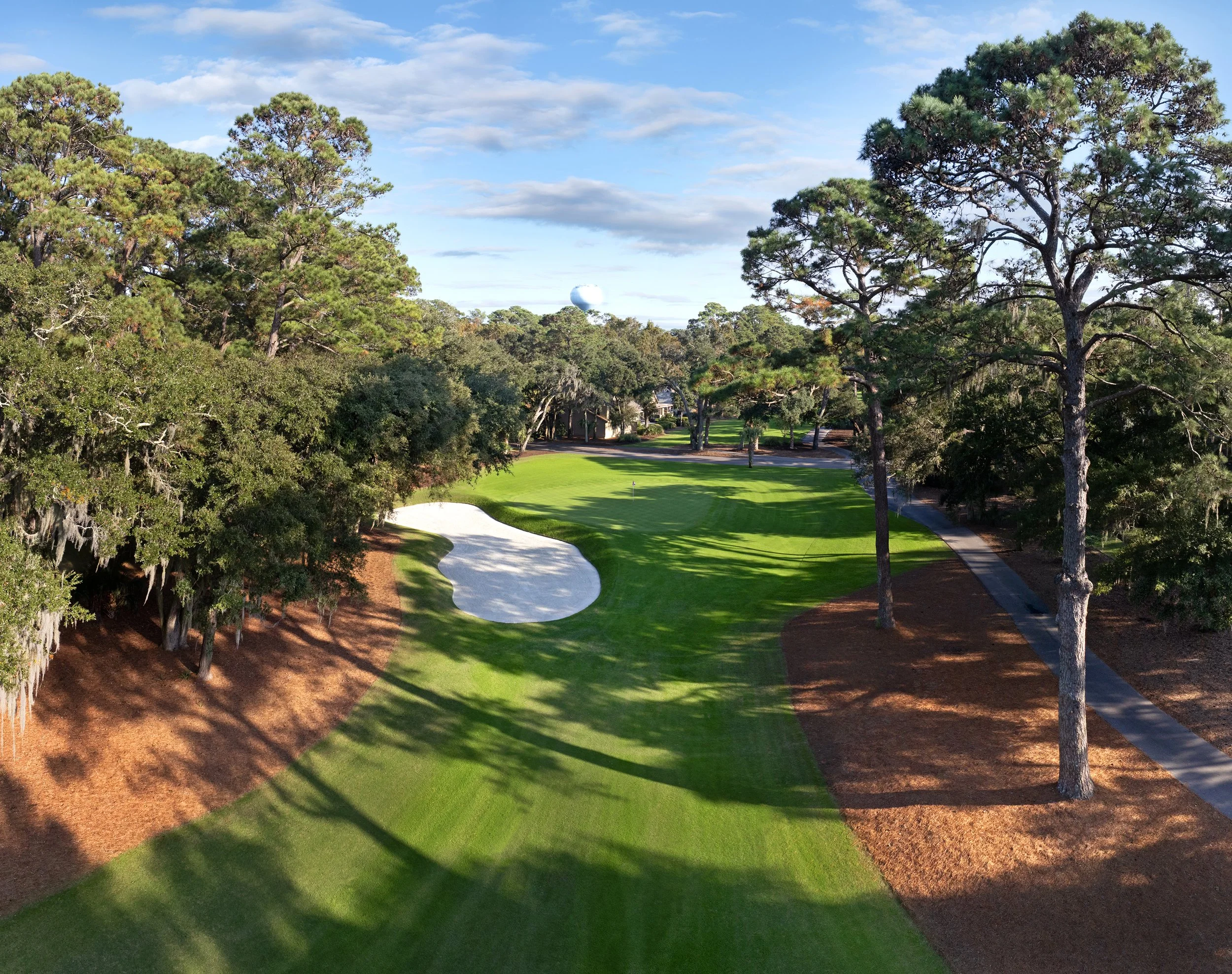
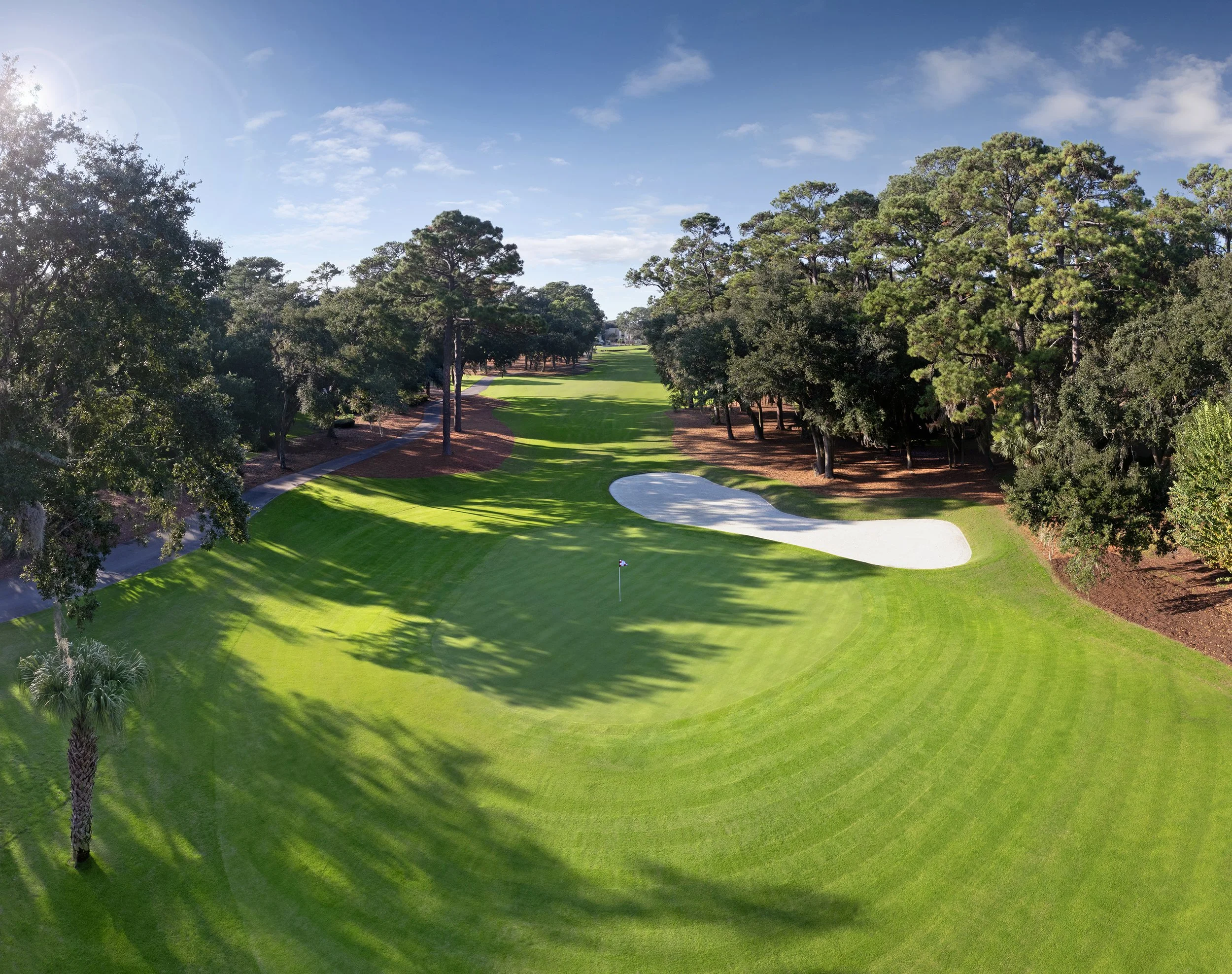
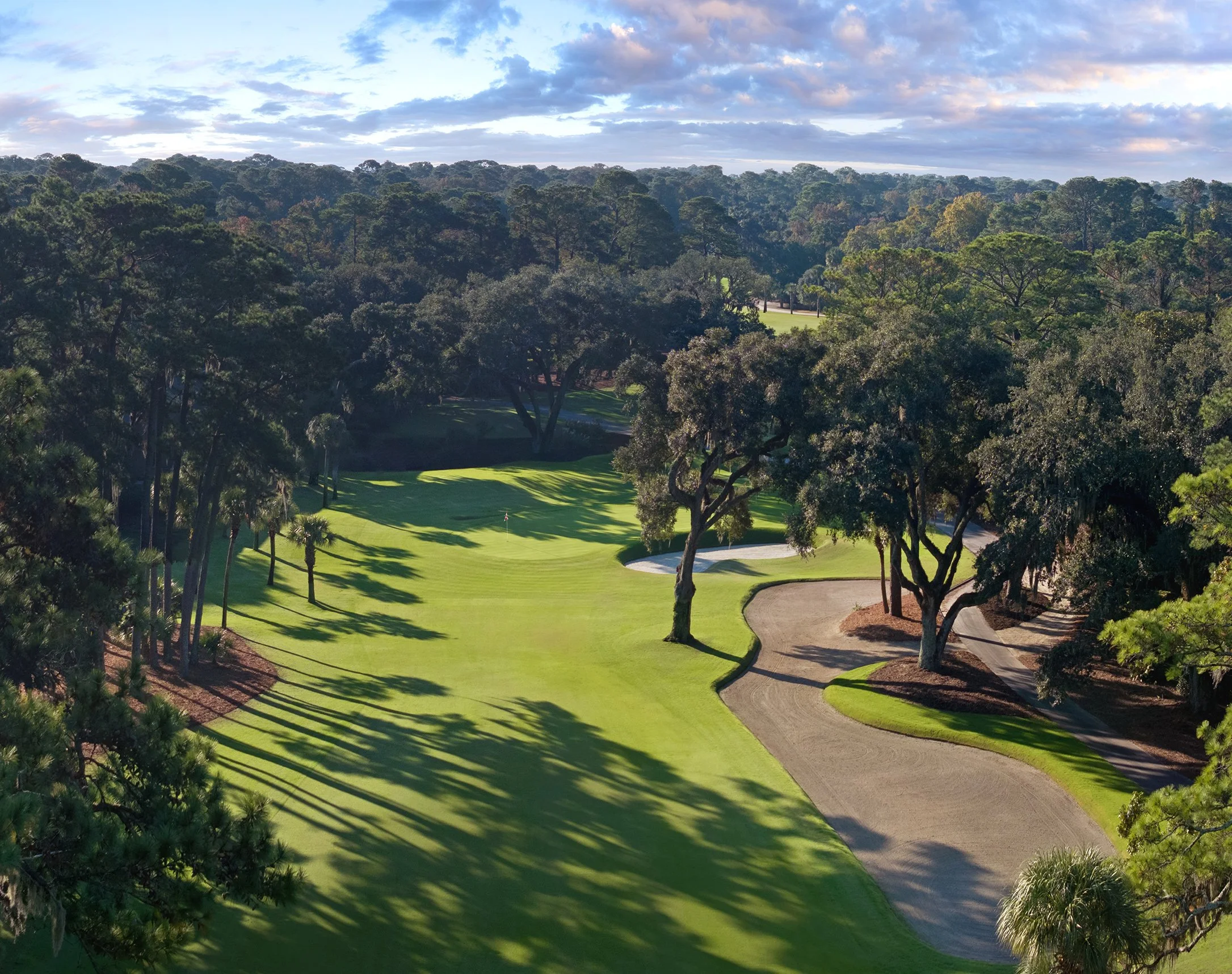
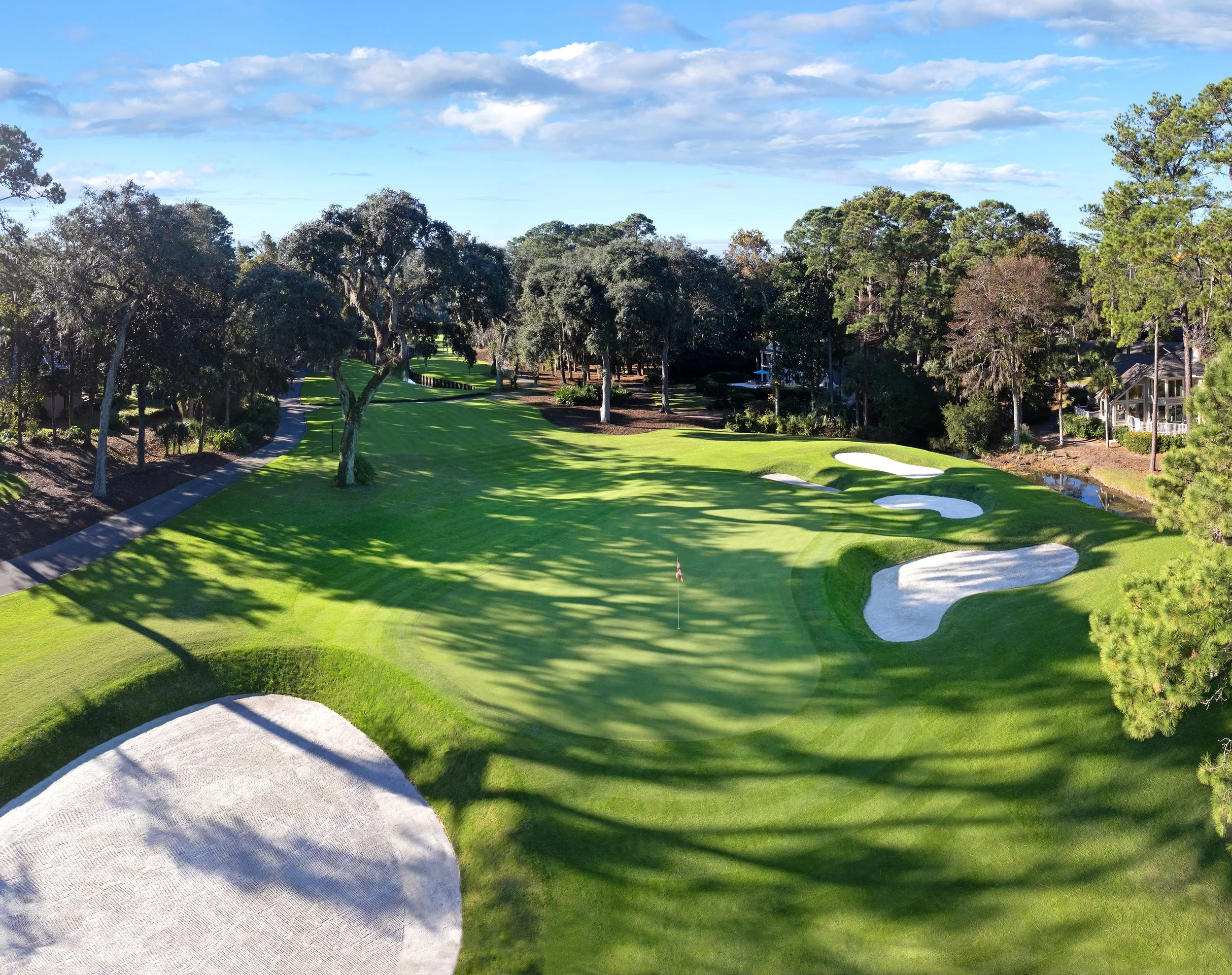
That philosophy makes Harbour Town one of the most respected courses on the PGA Tour. Year after year, players talk about how refreshing it is to compete on a course where every club in the bag matters. Precision off the tee, thoughtful approach shots, and confident putting are rewarded. The course forces decisions and punishes lazy ones.
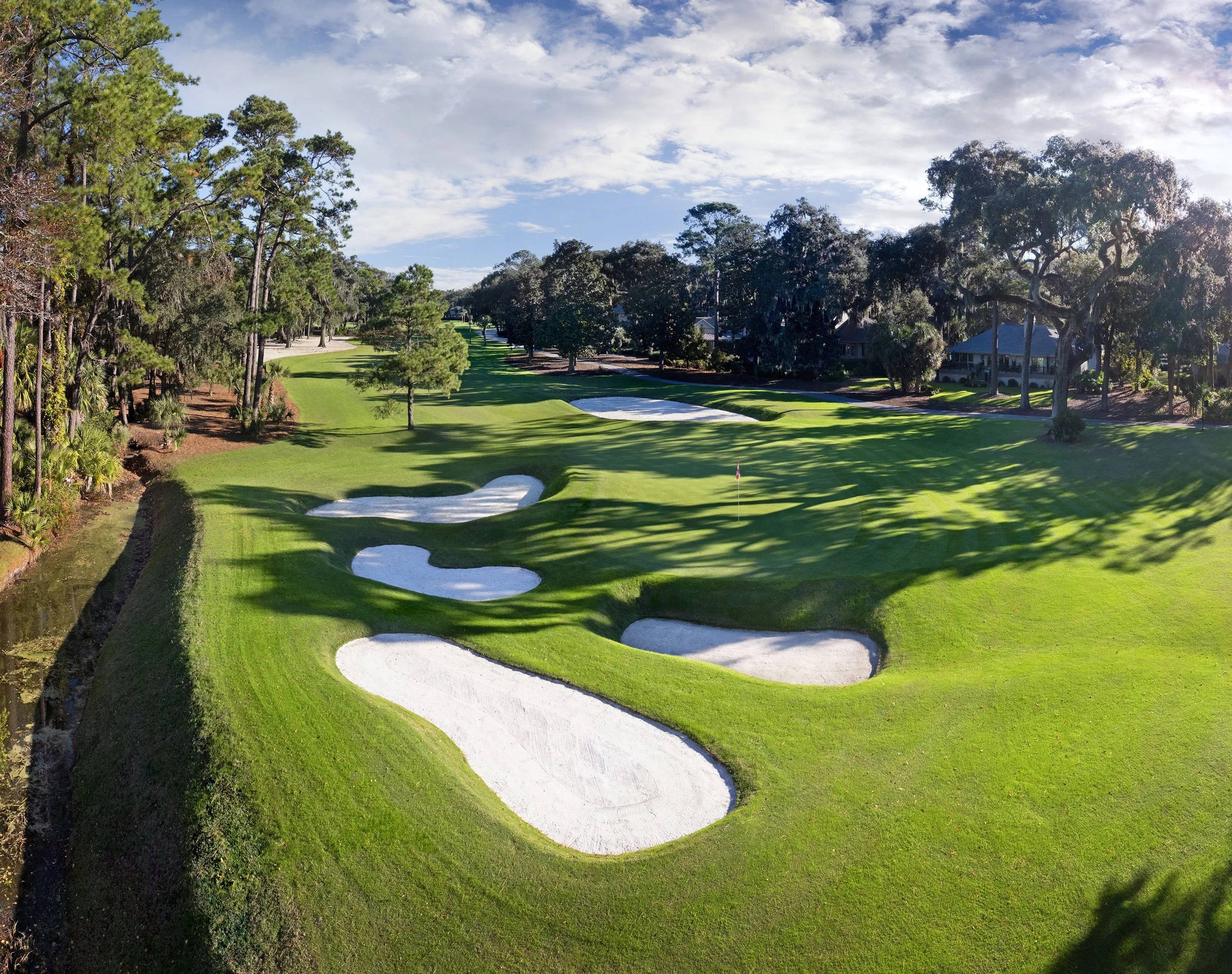
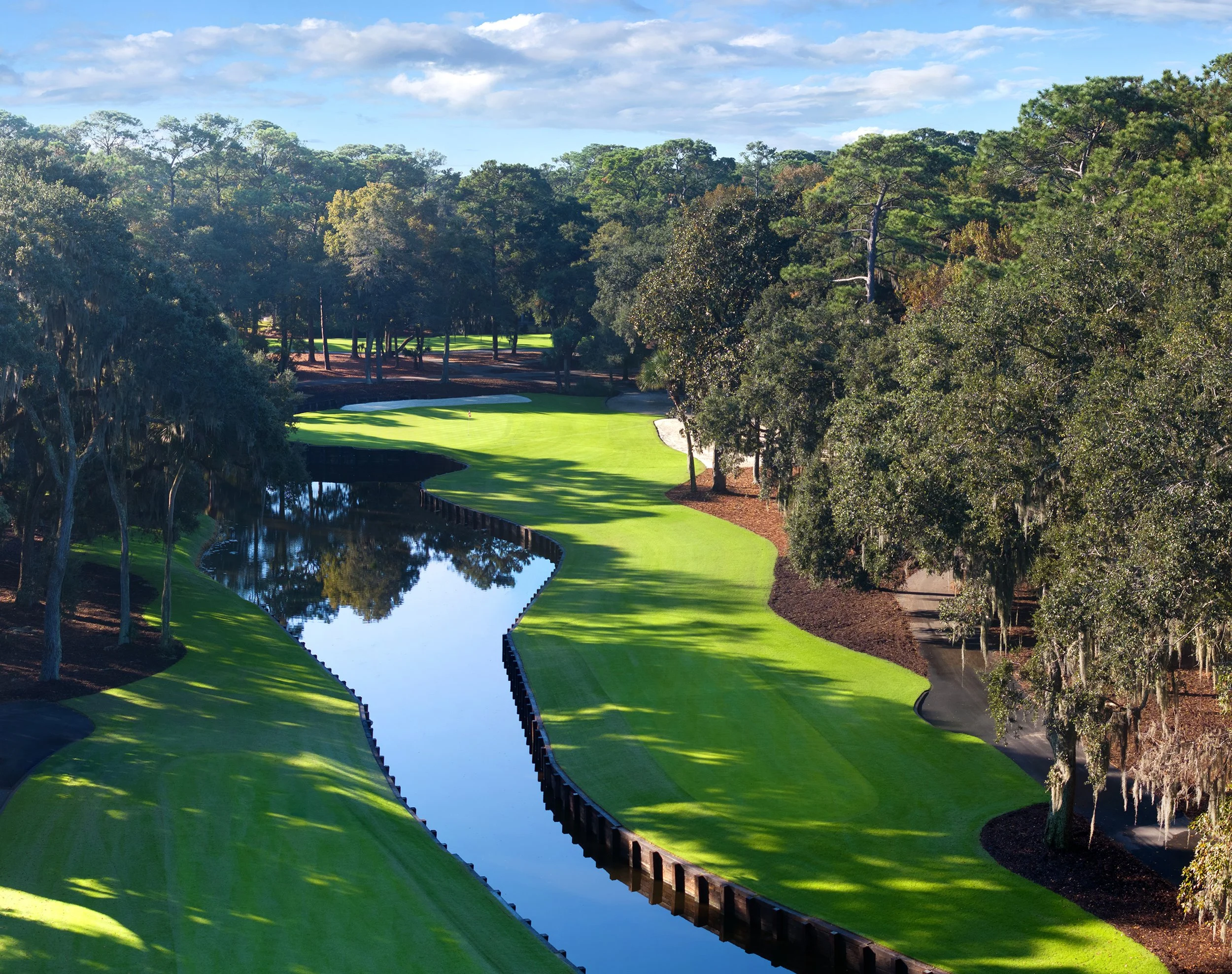
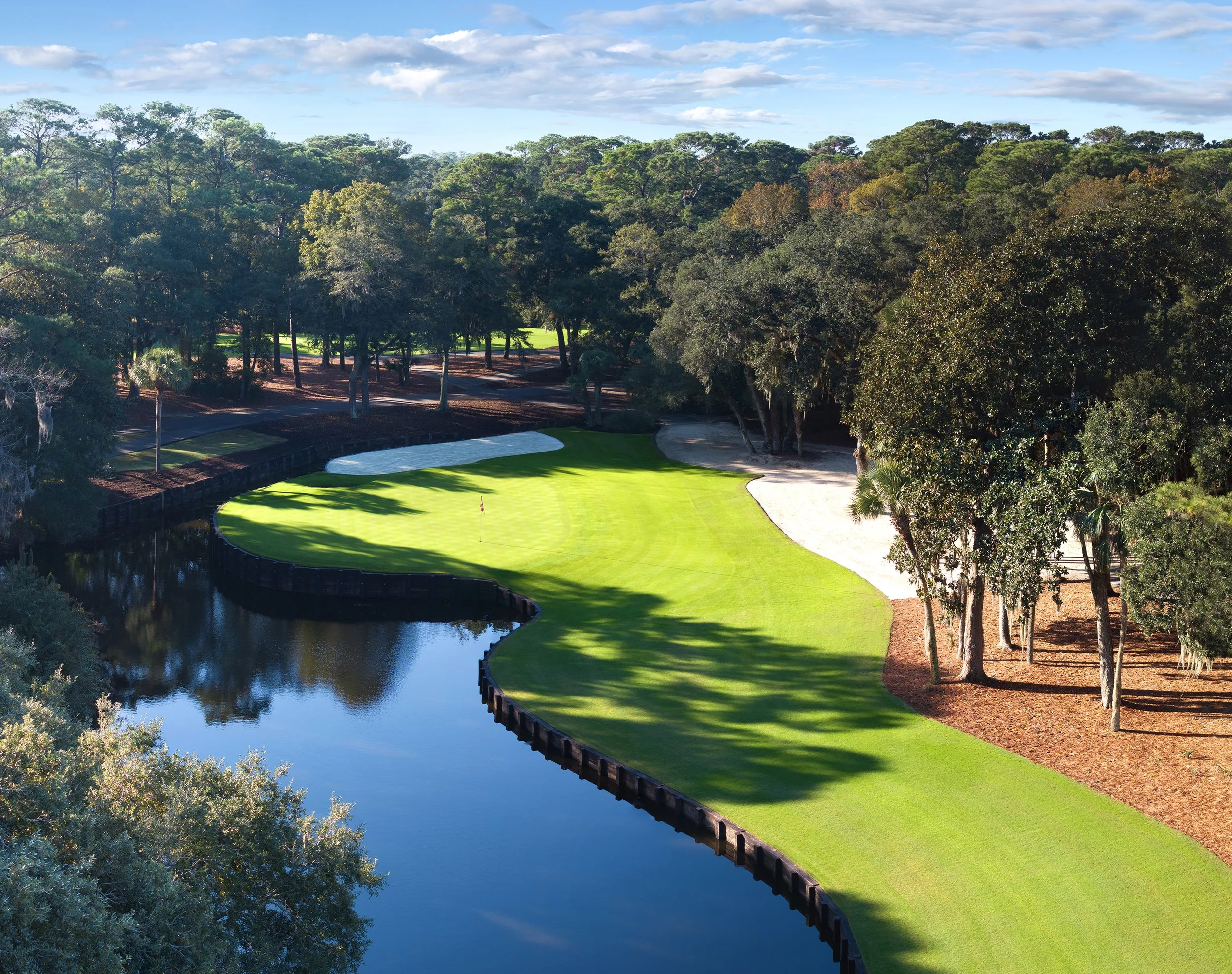
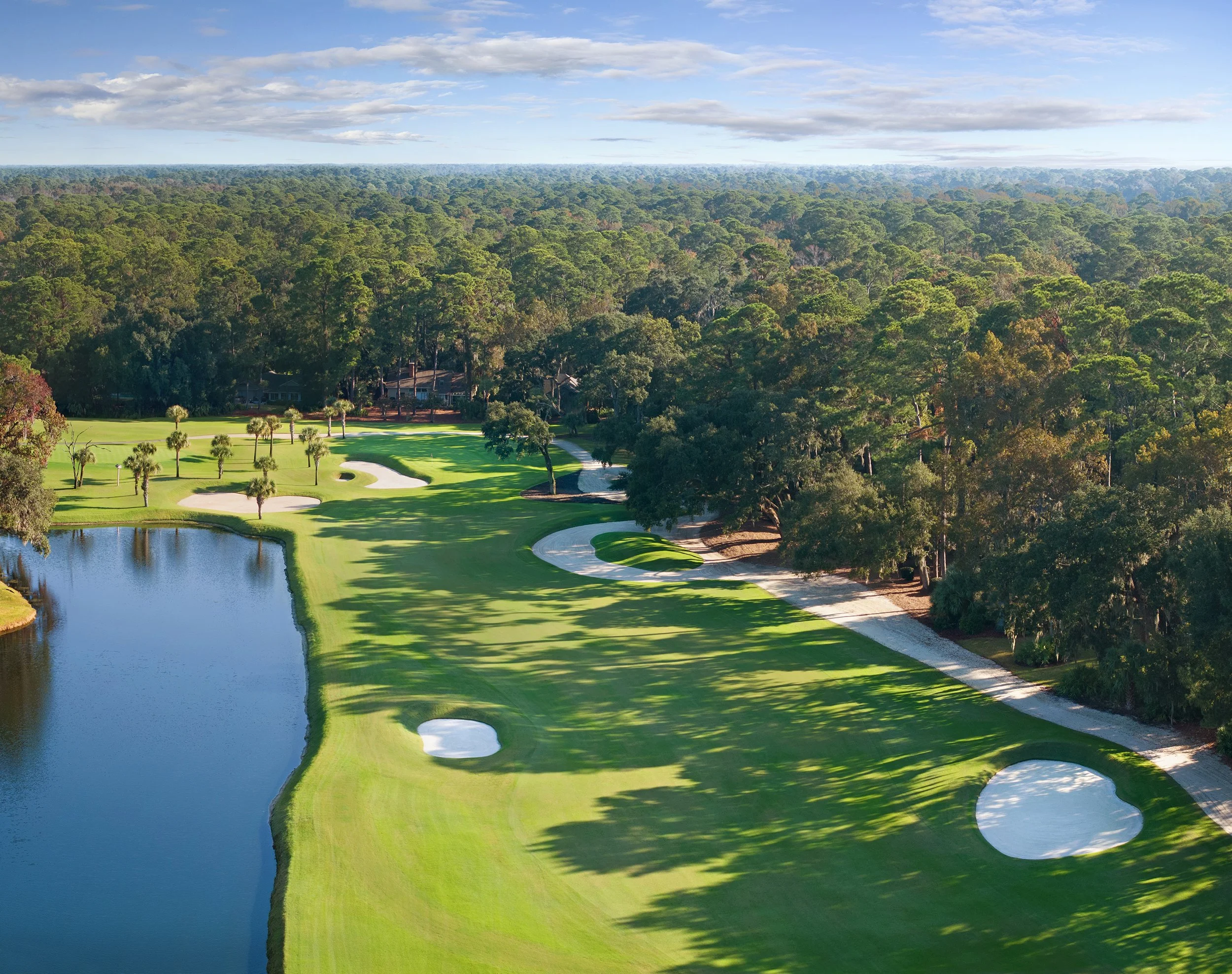
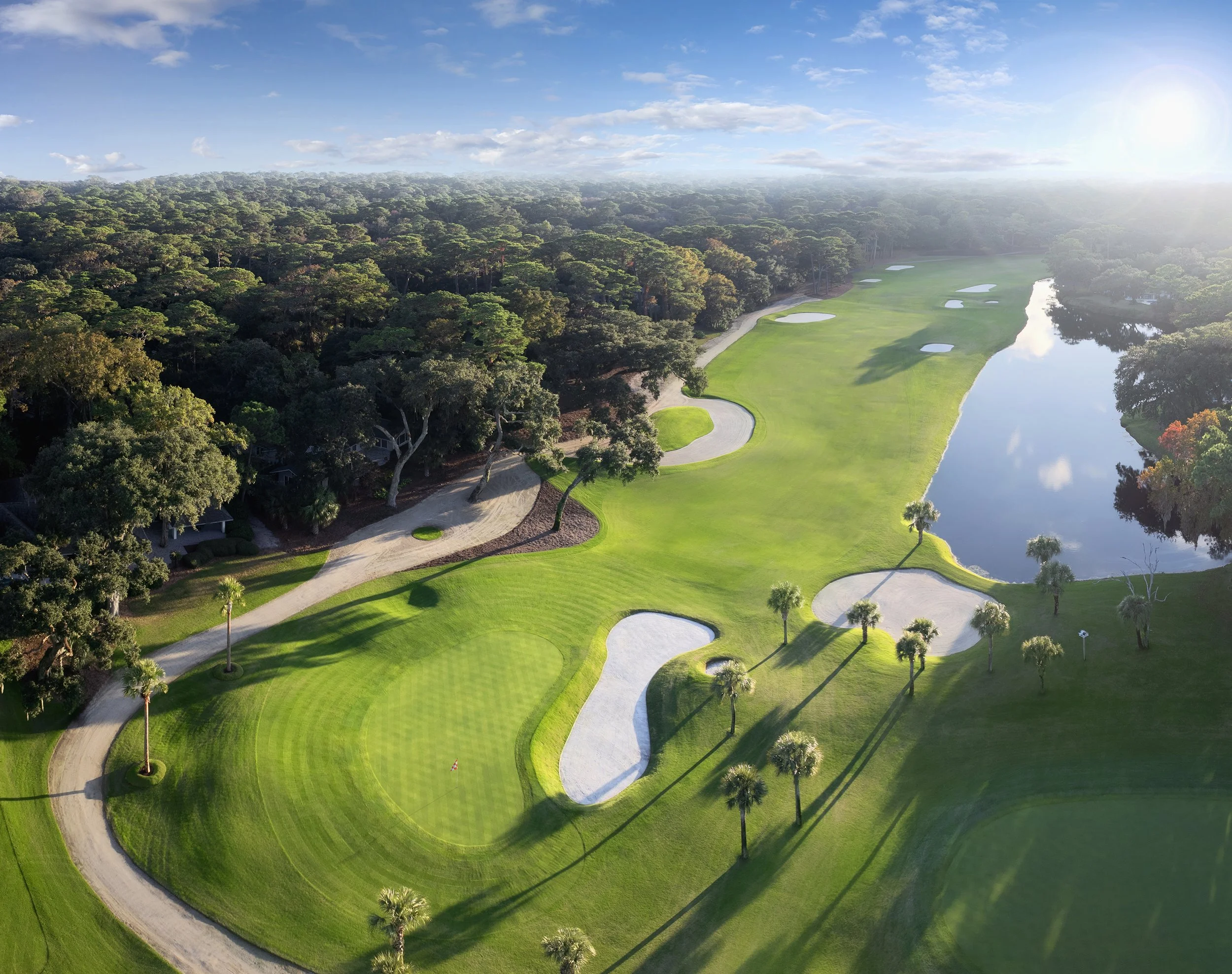
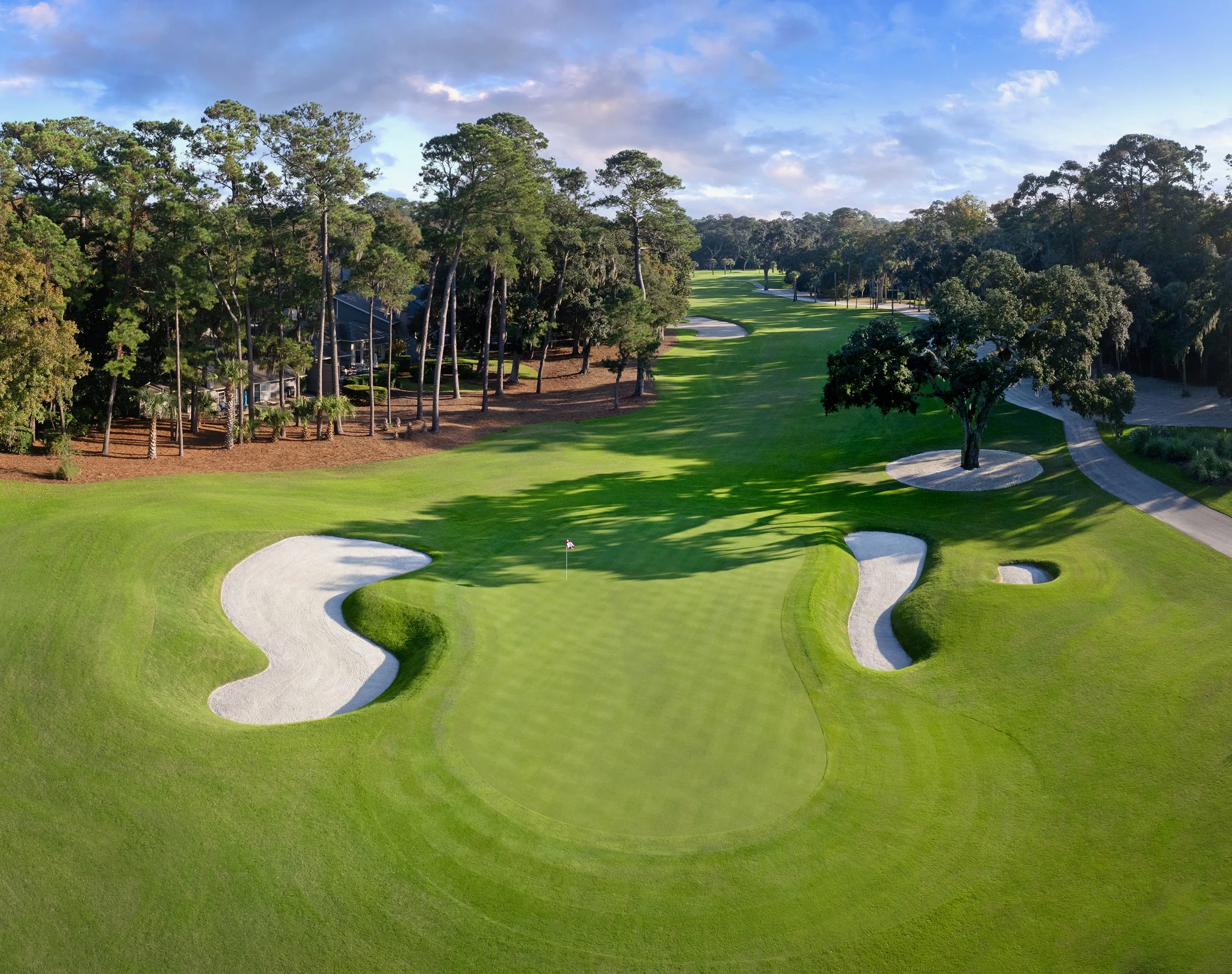
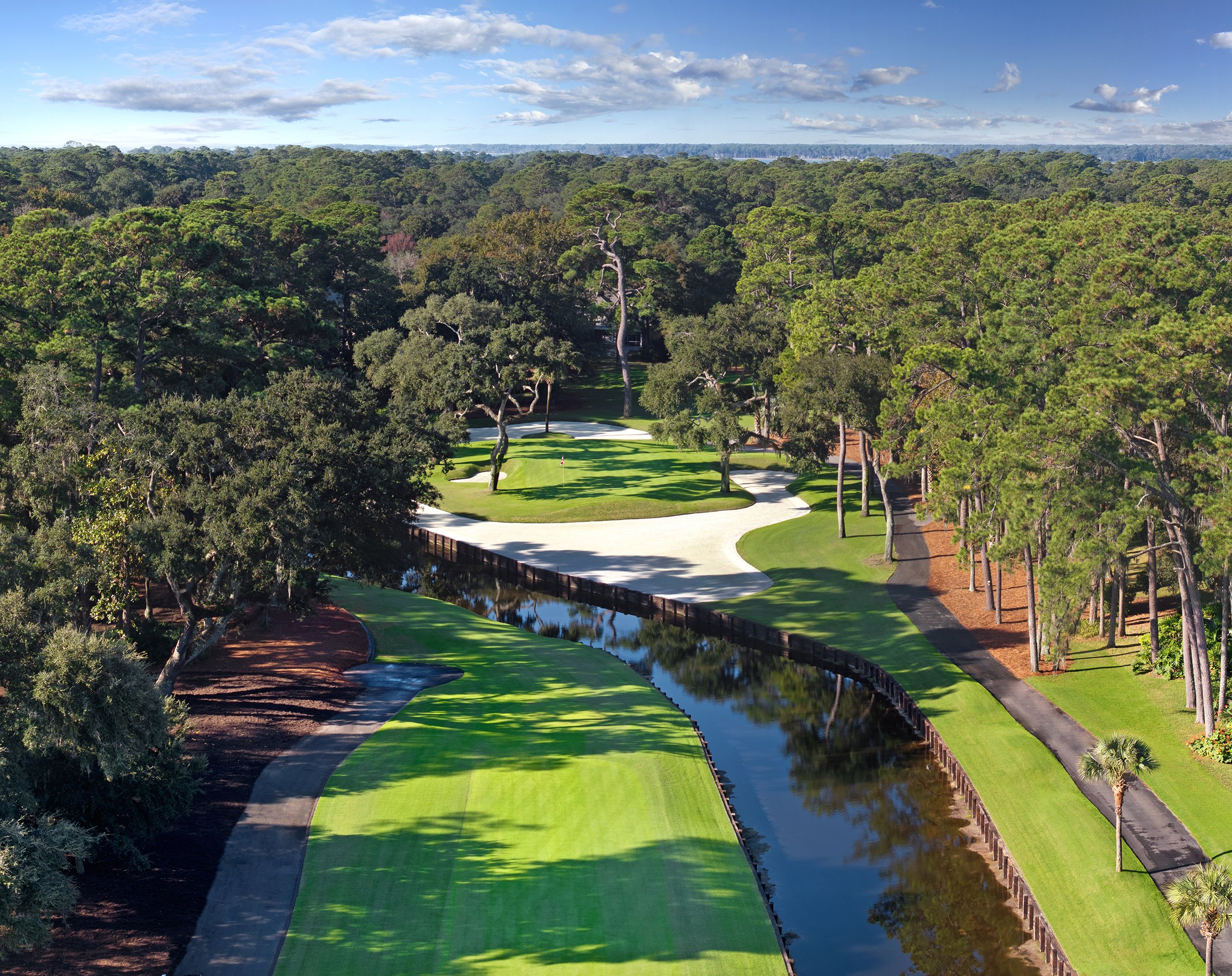
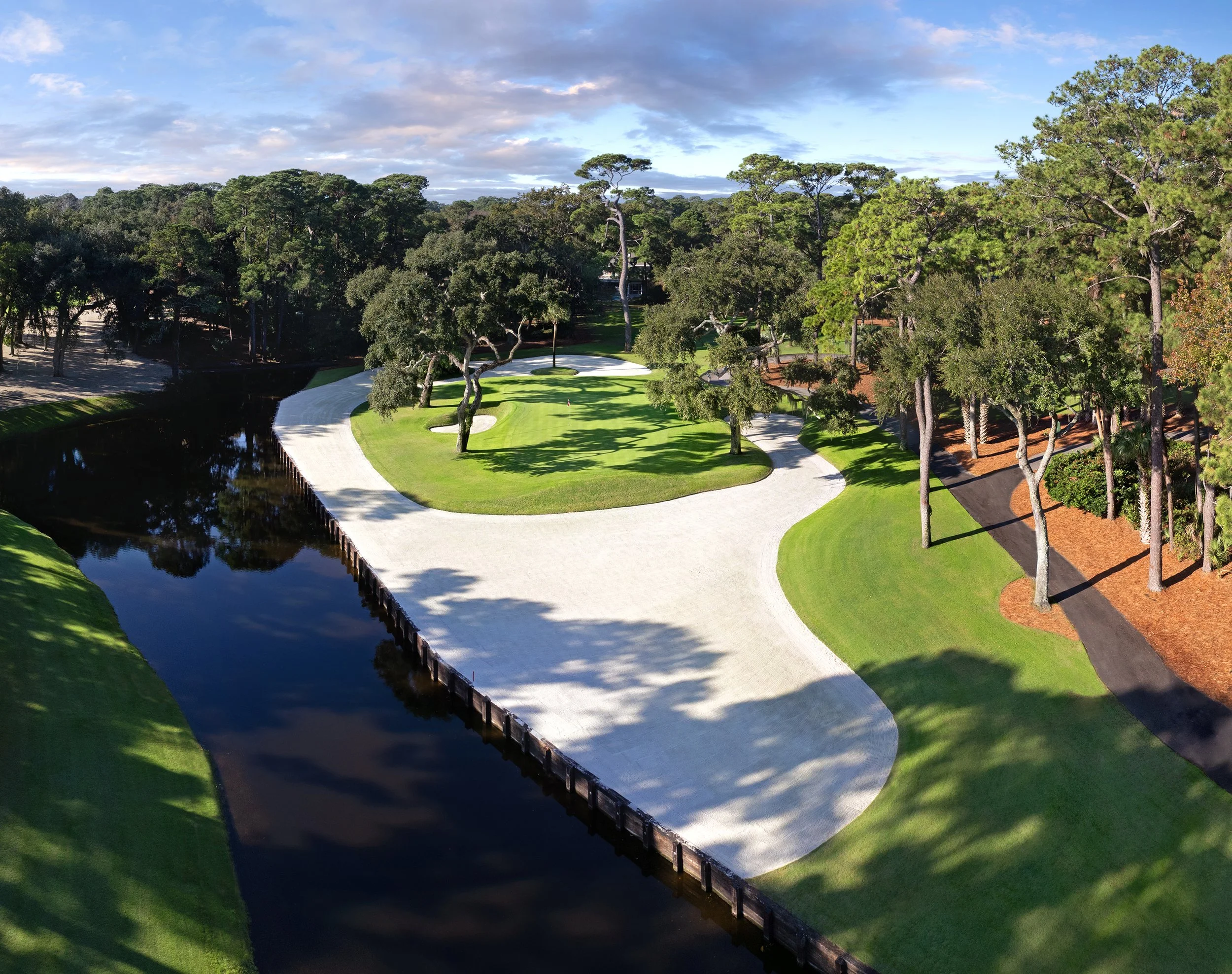
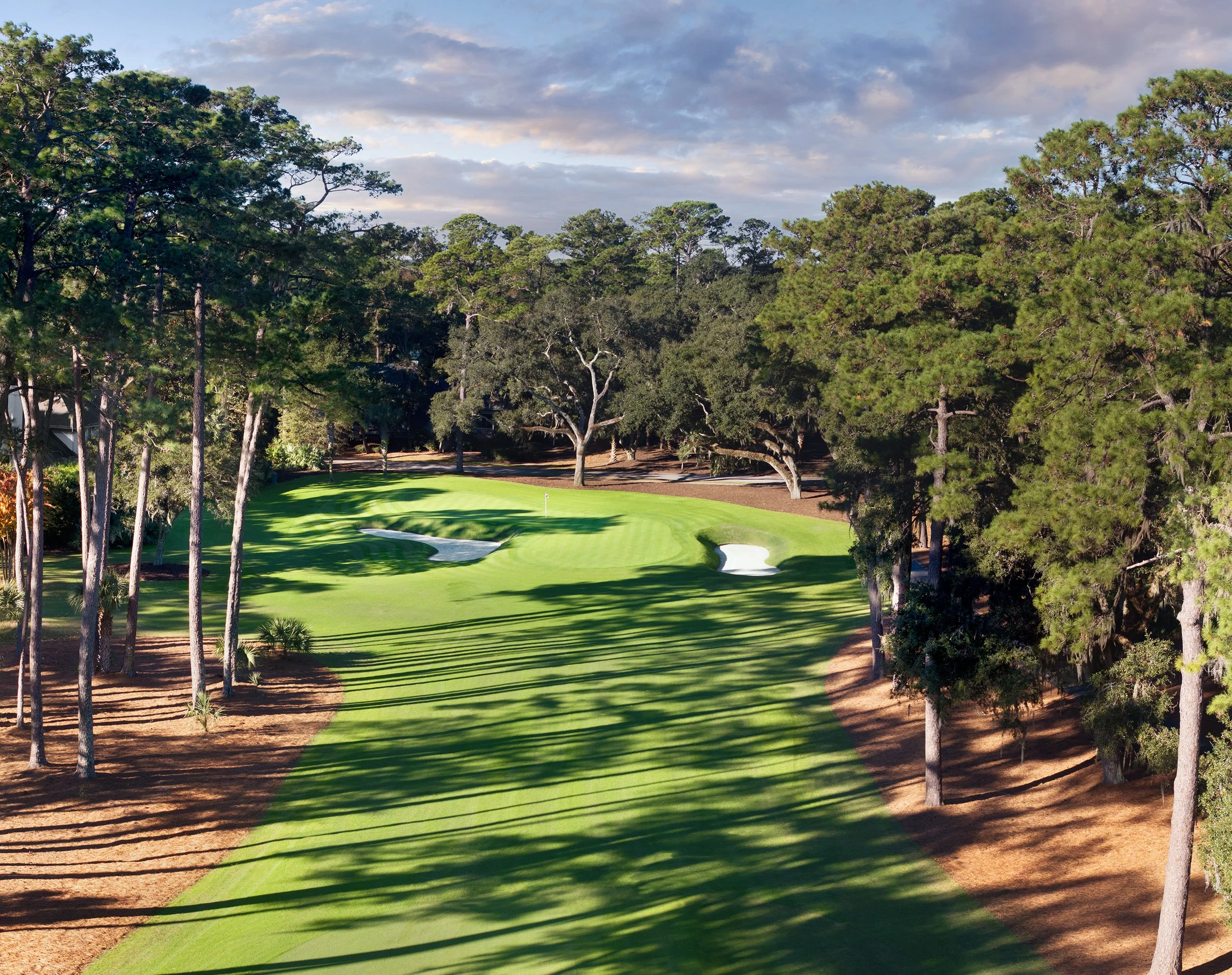
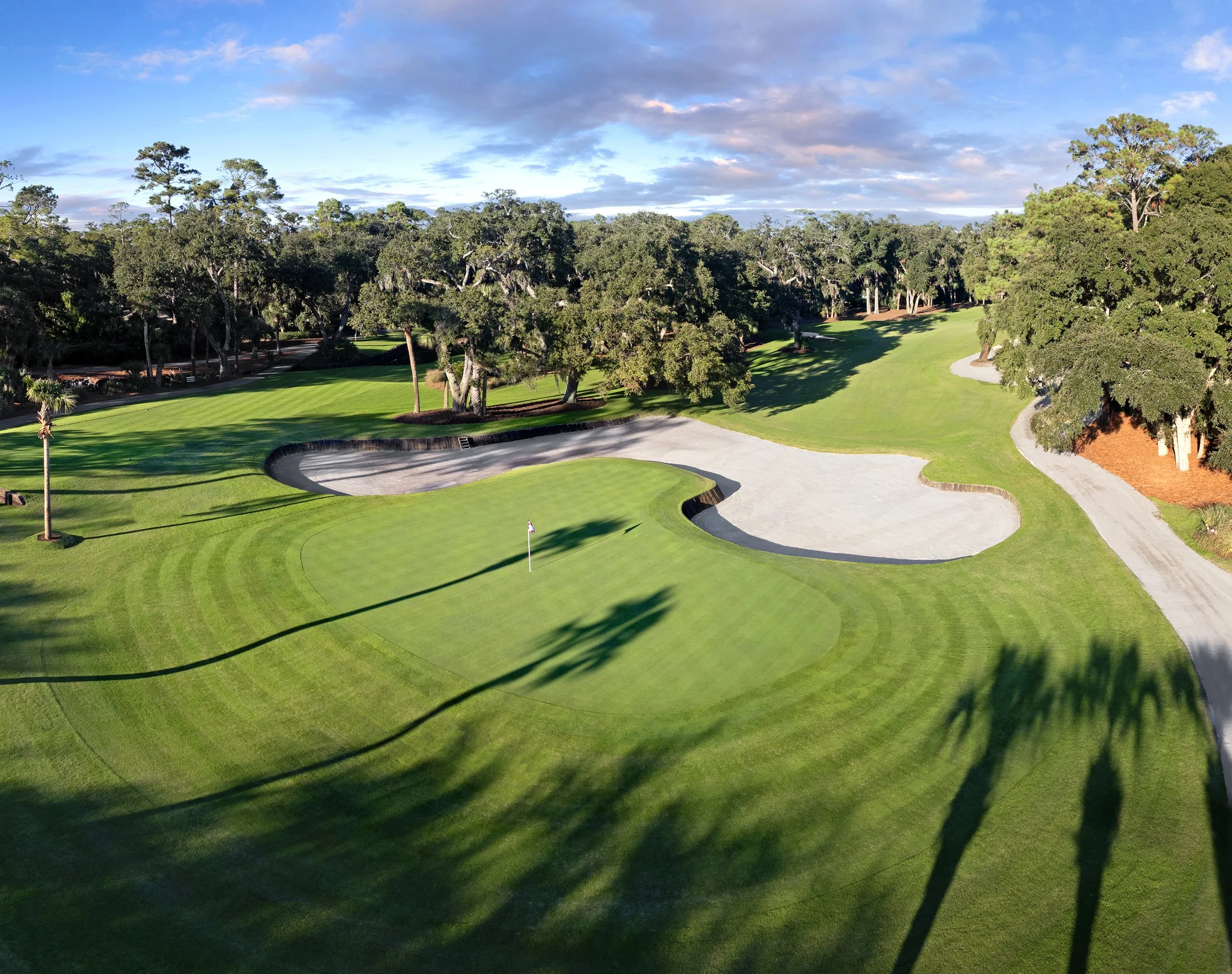
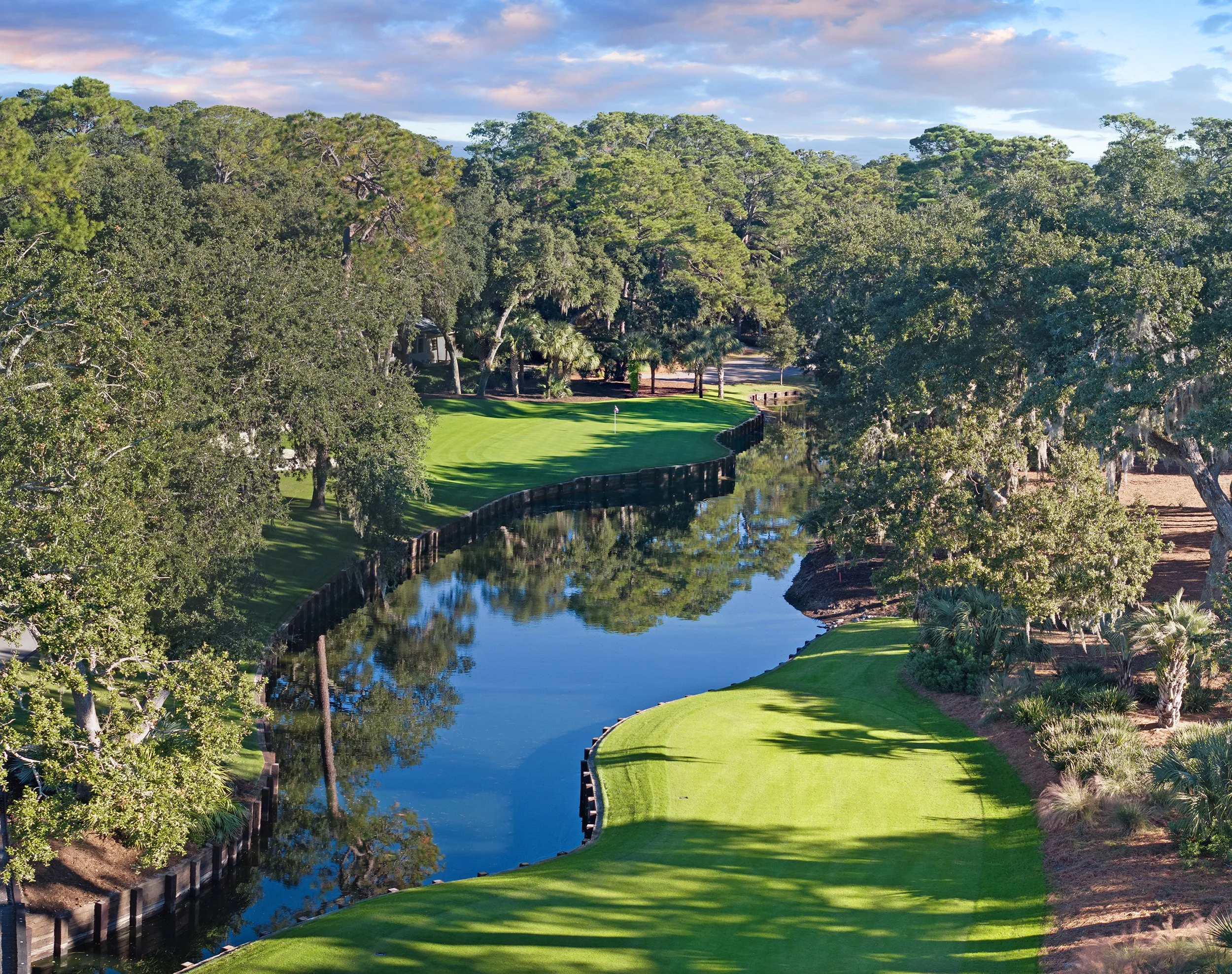
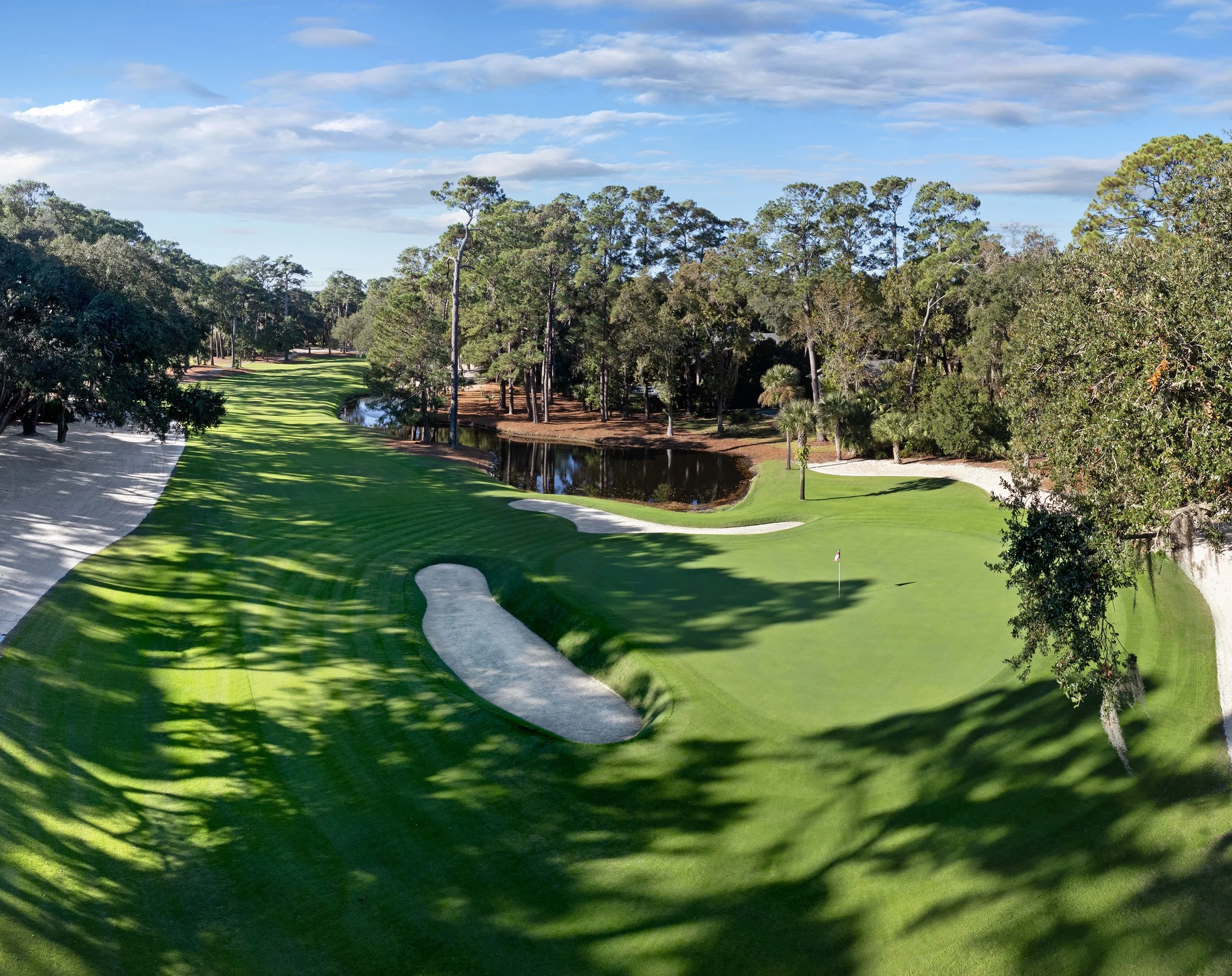
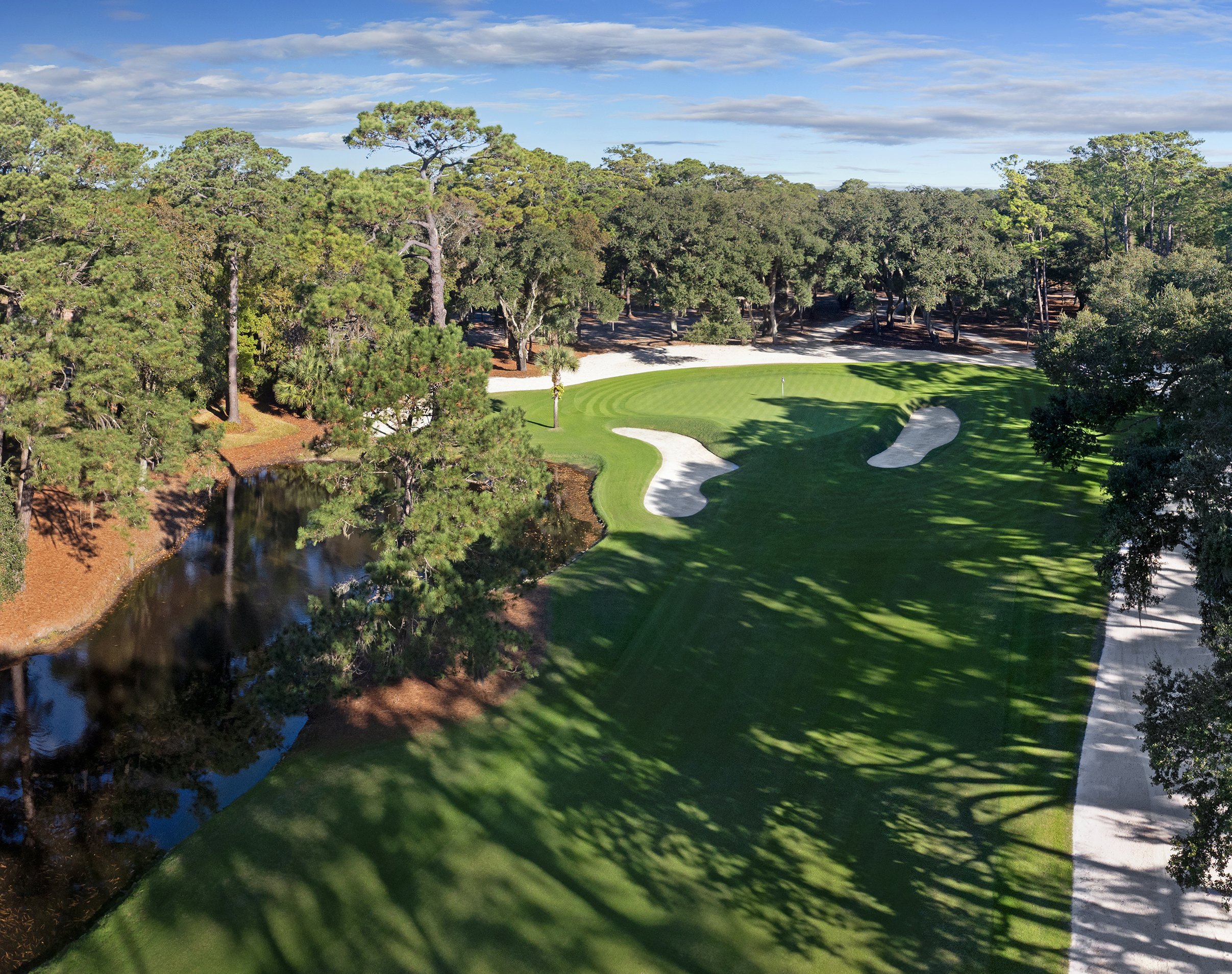
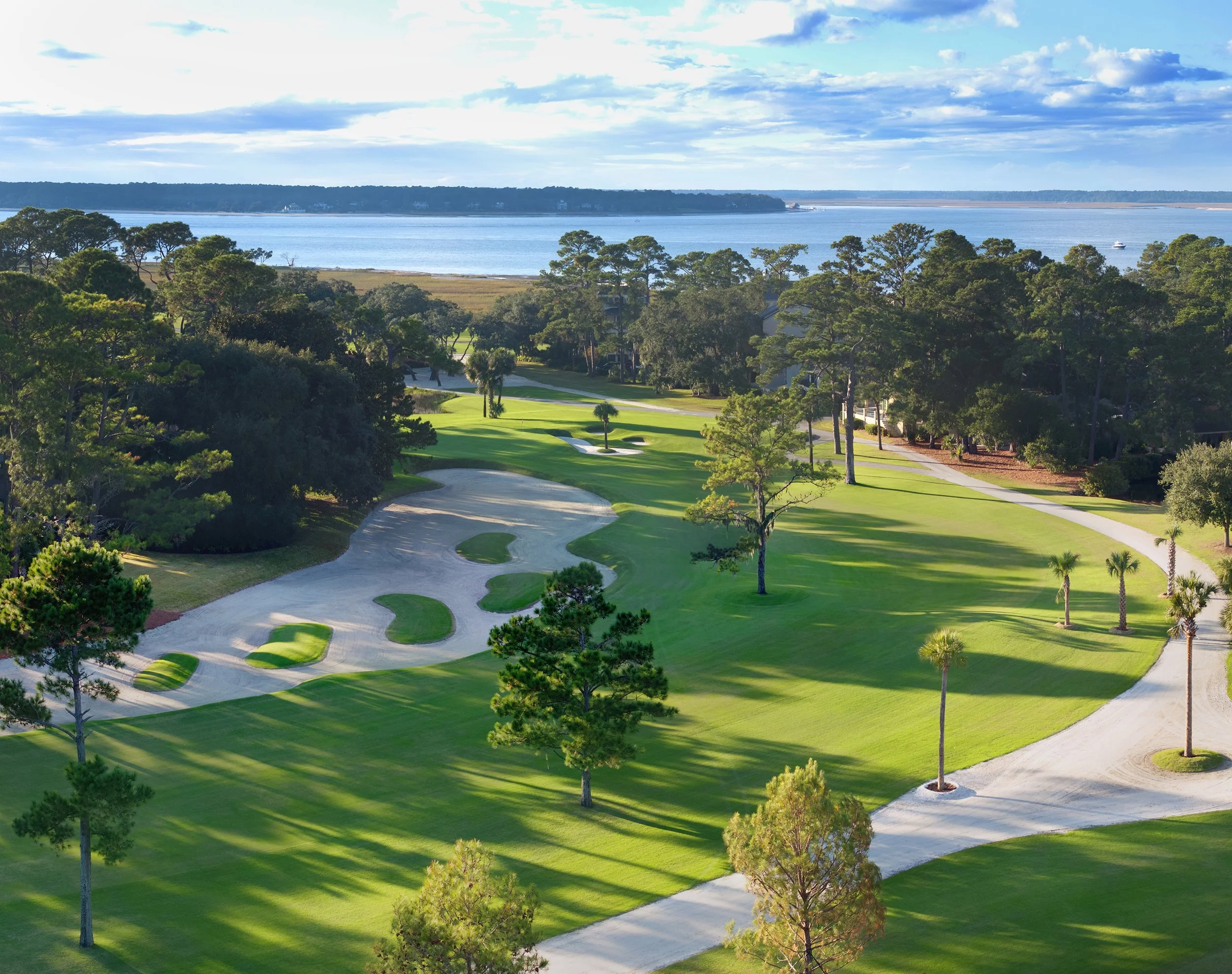
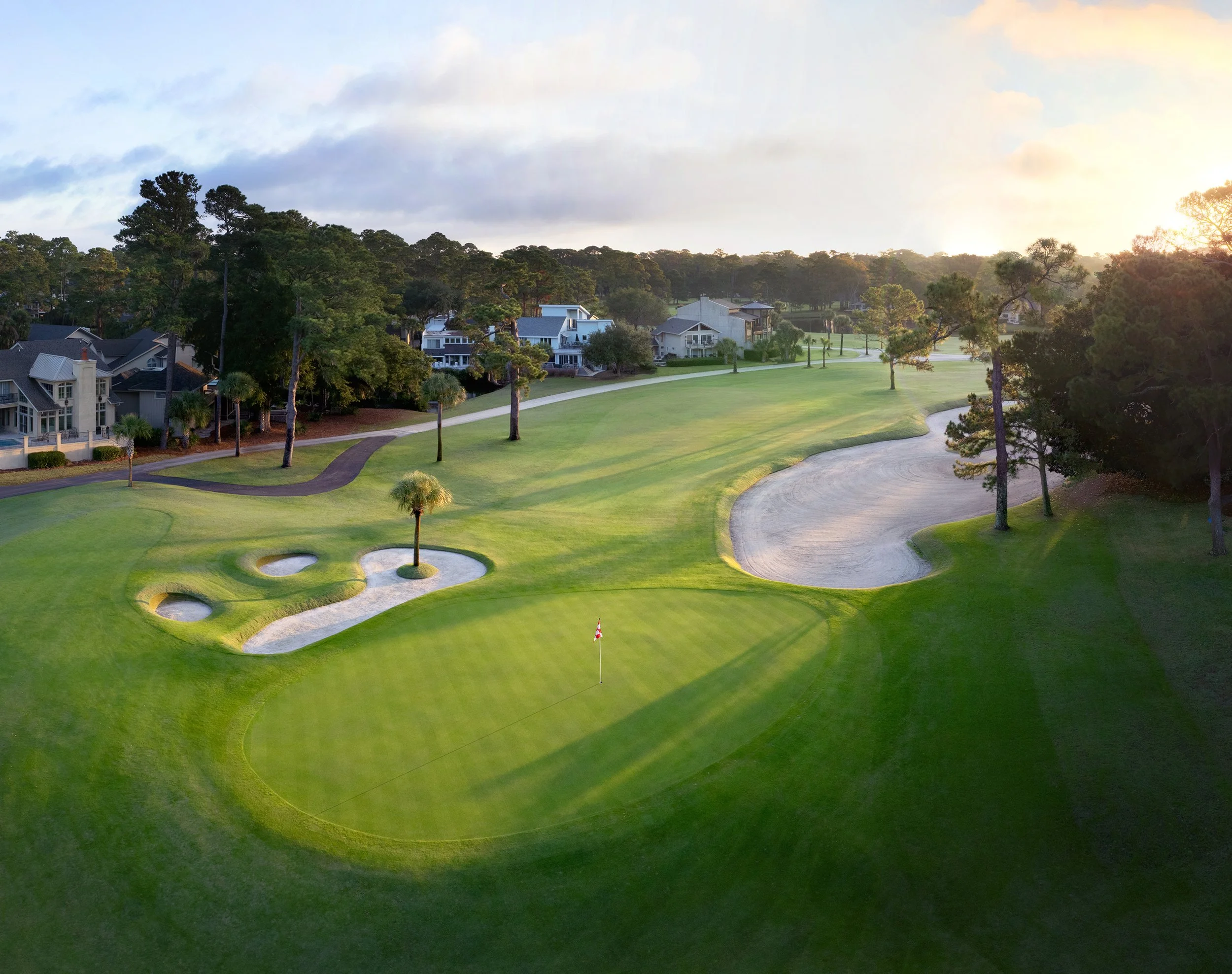
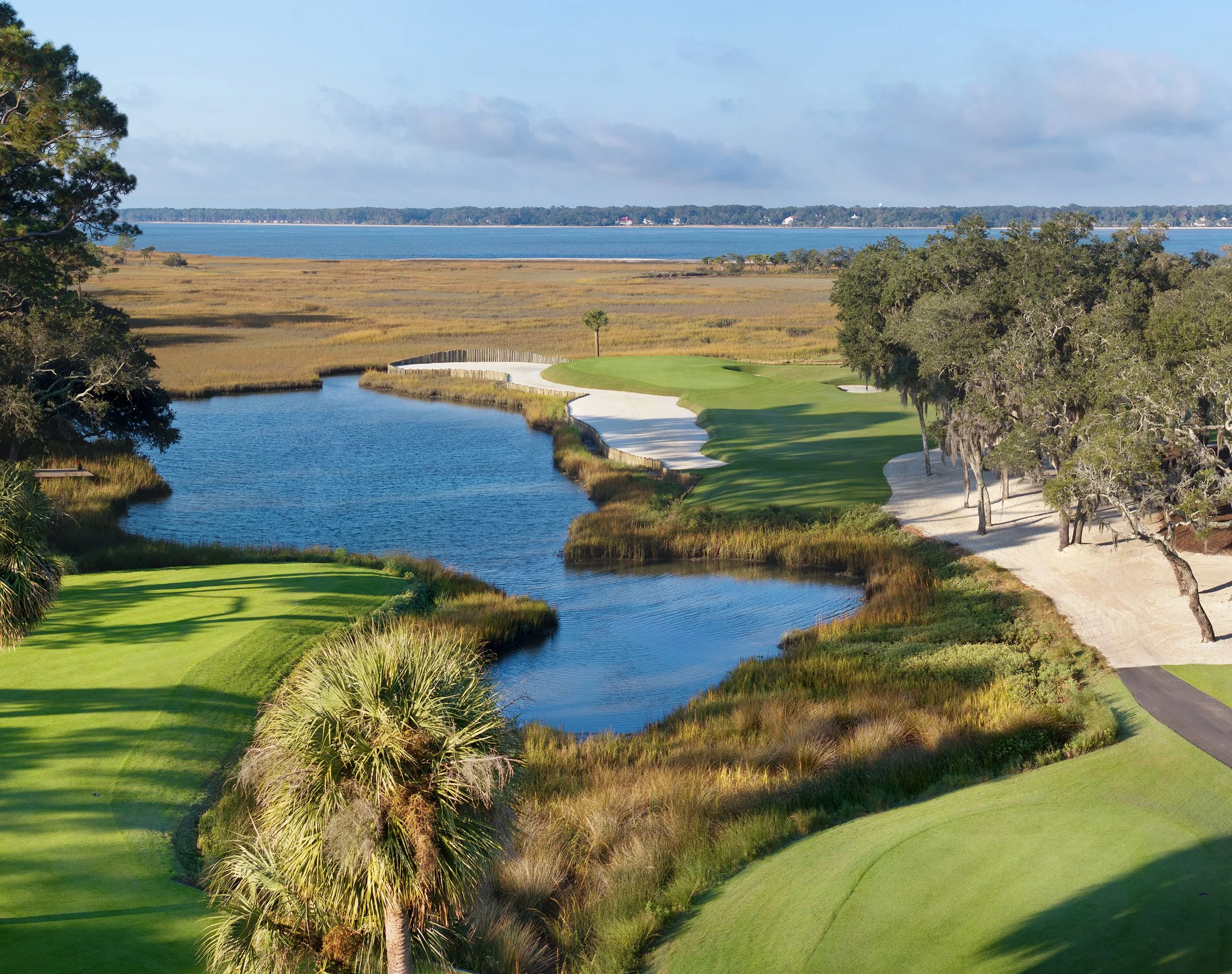
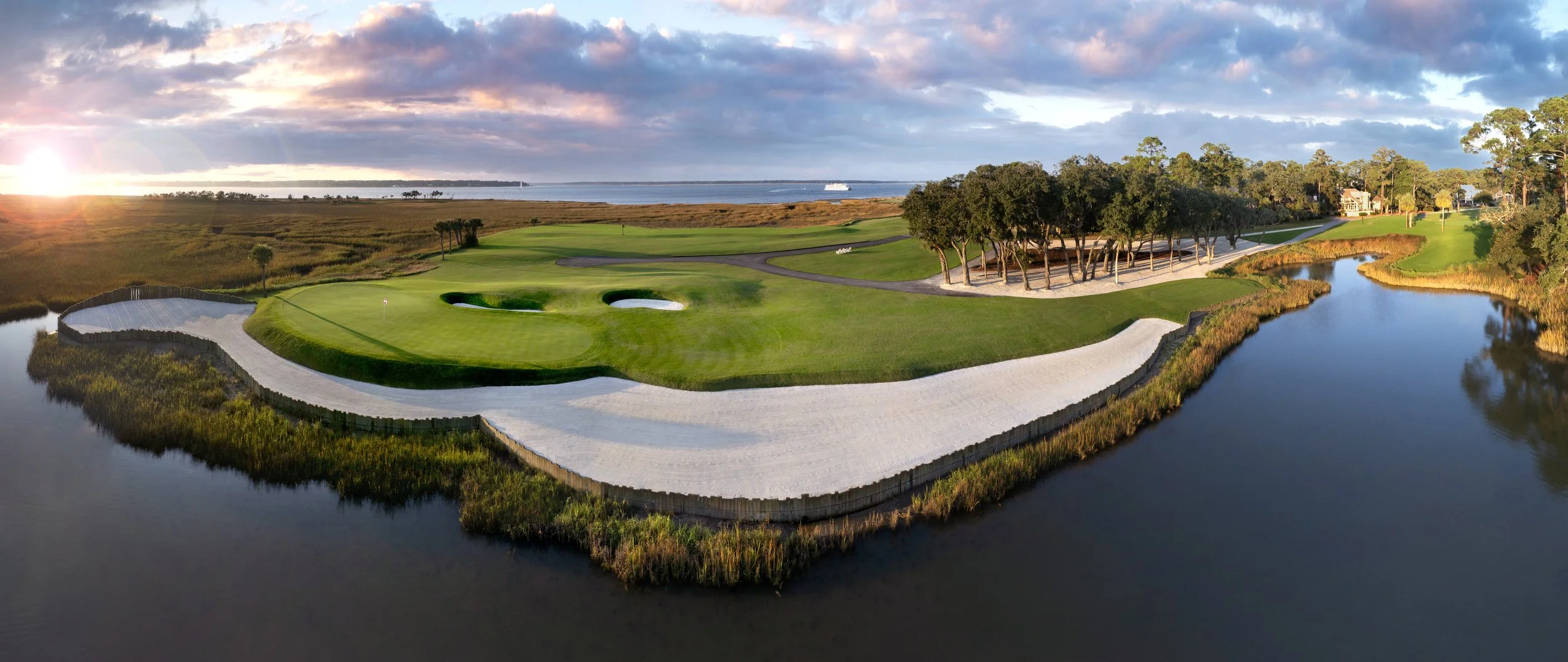
From a photography standpoint, Harbour Town is a dream.
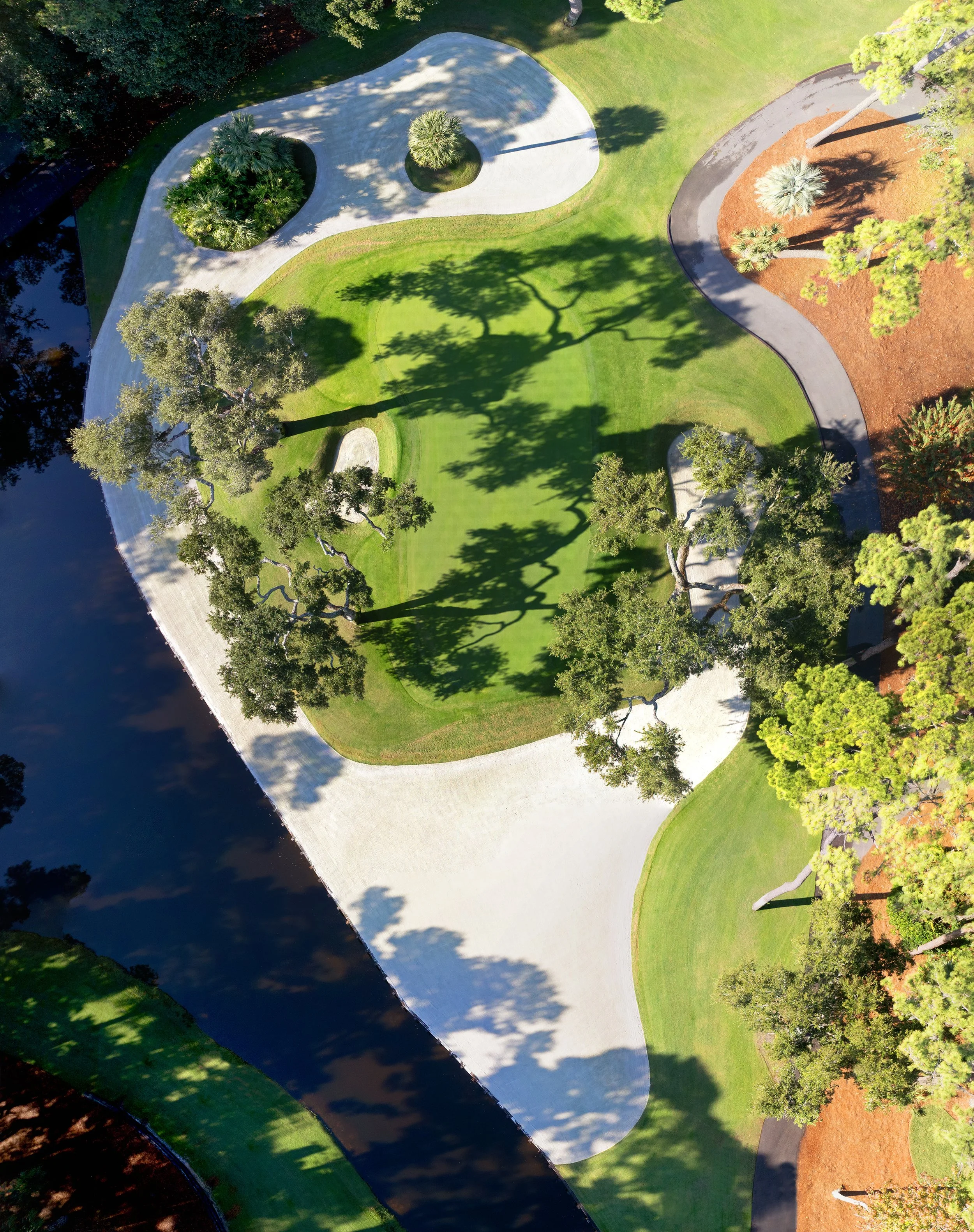
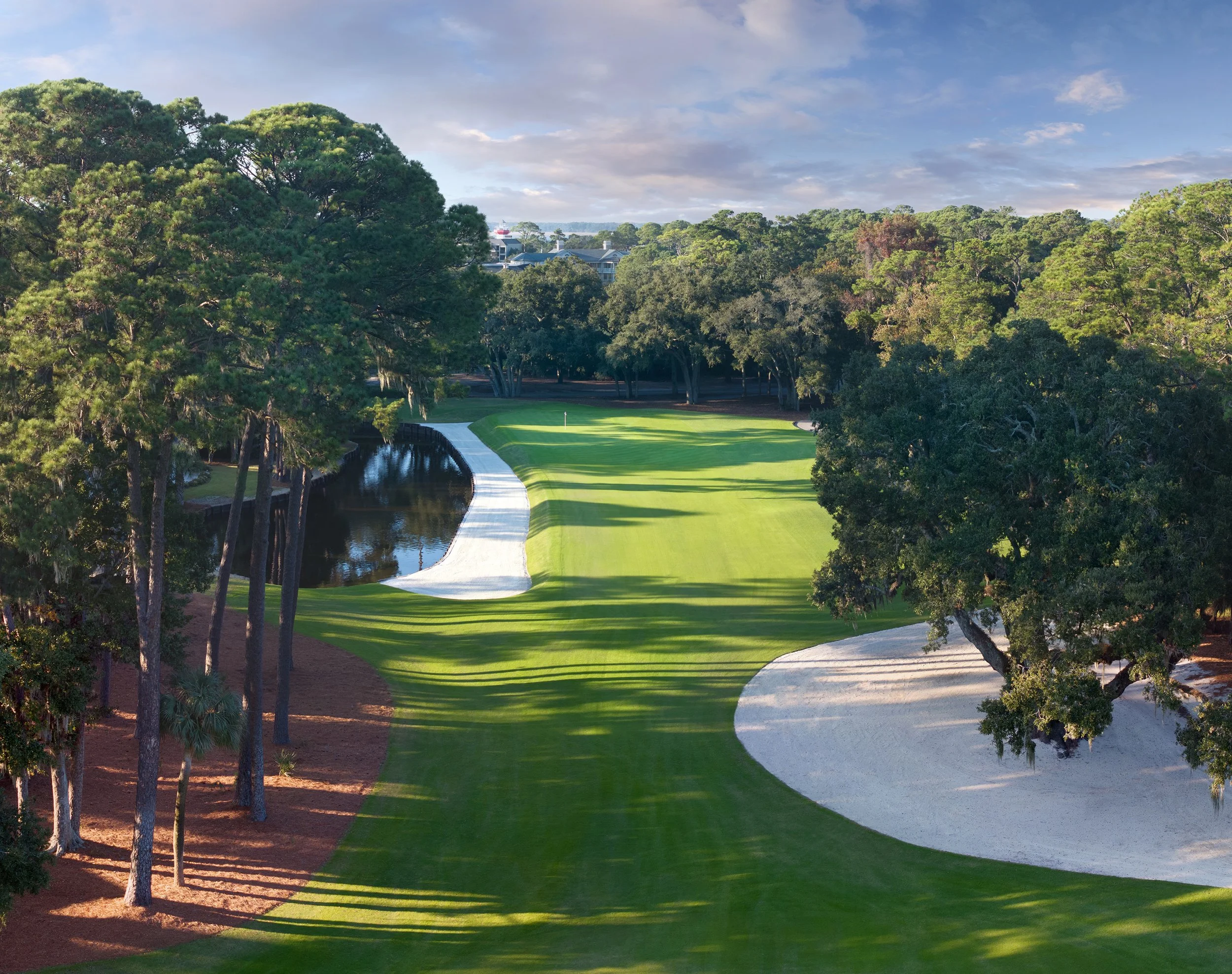
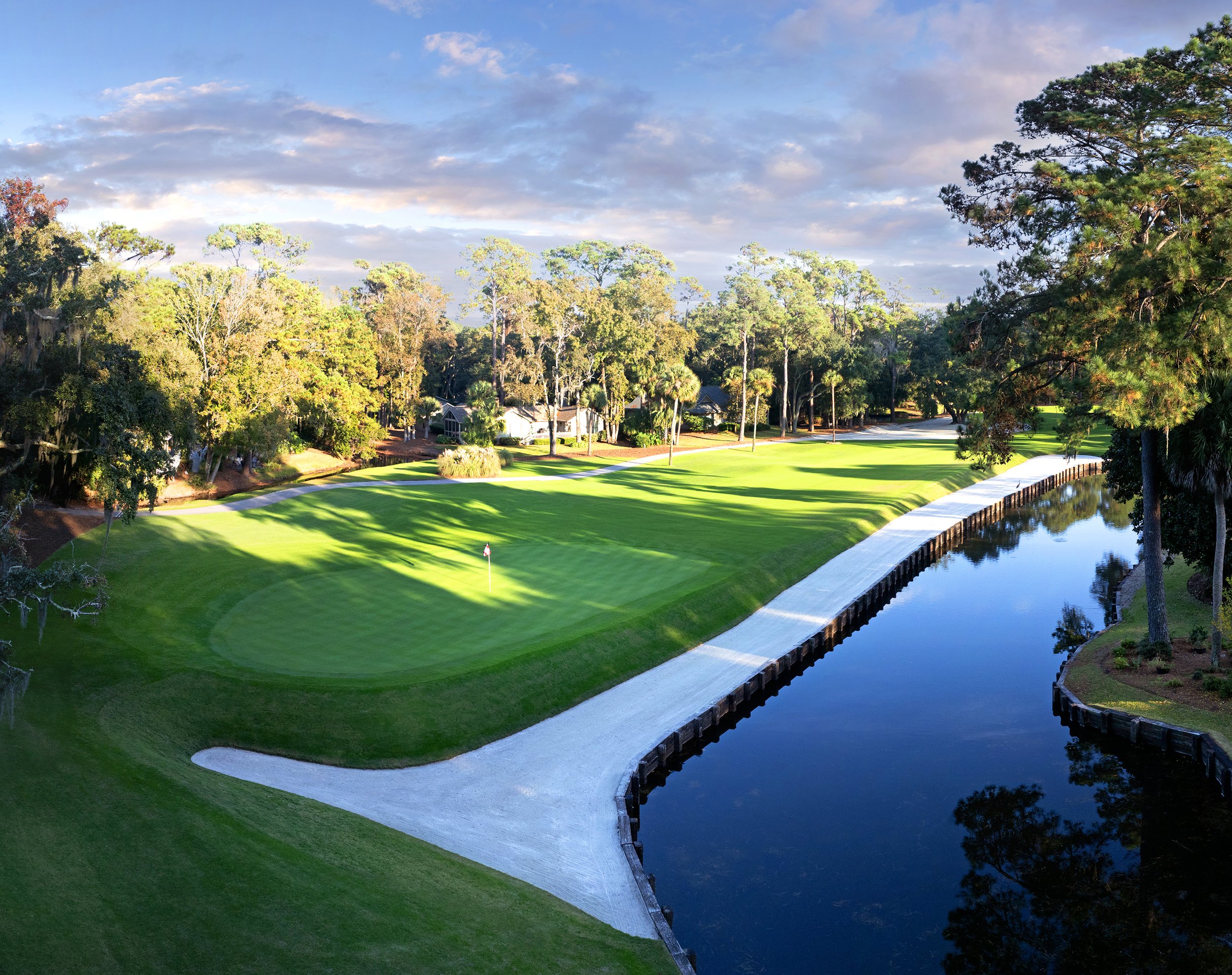
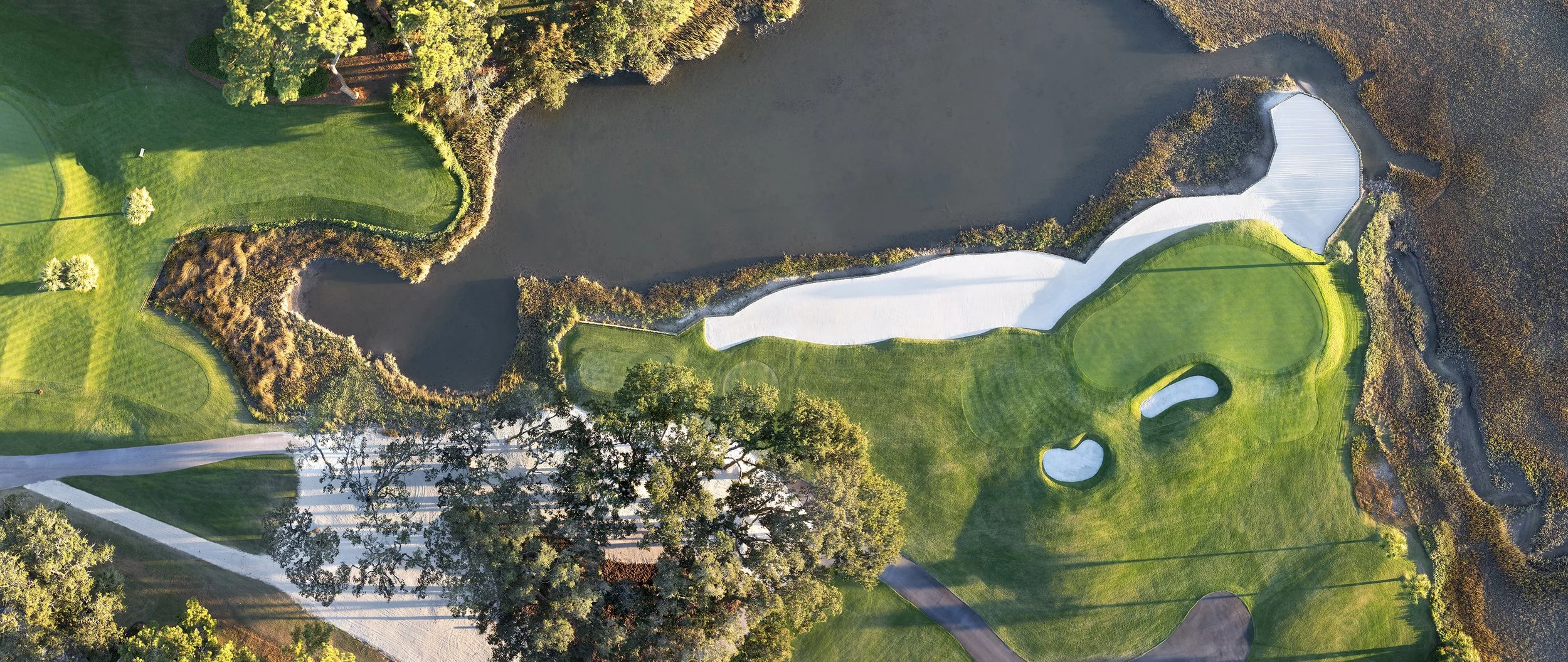
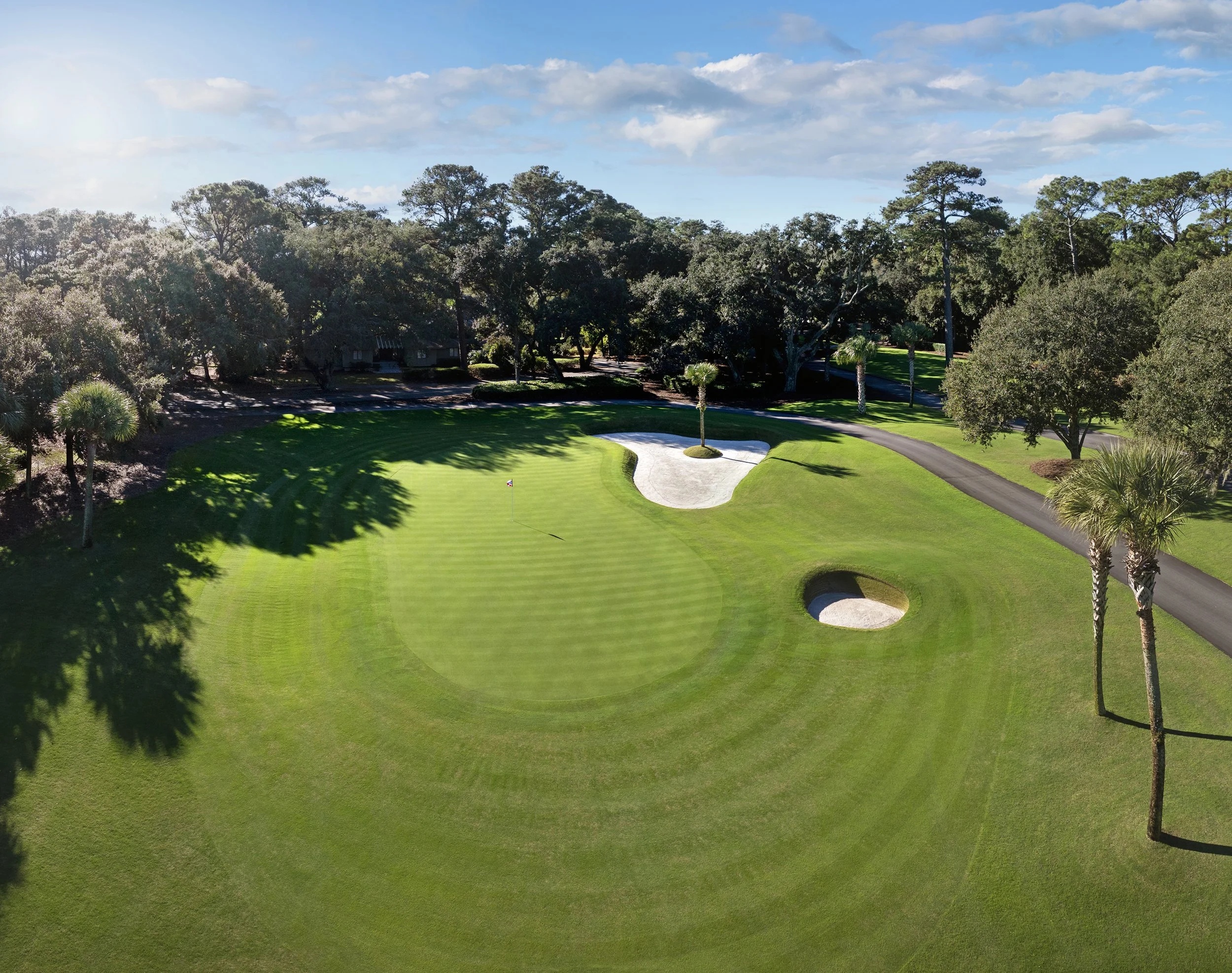
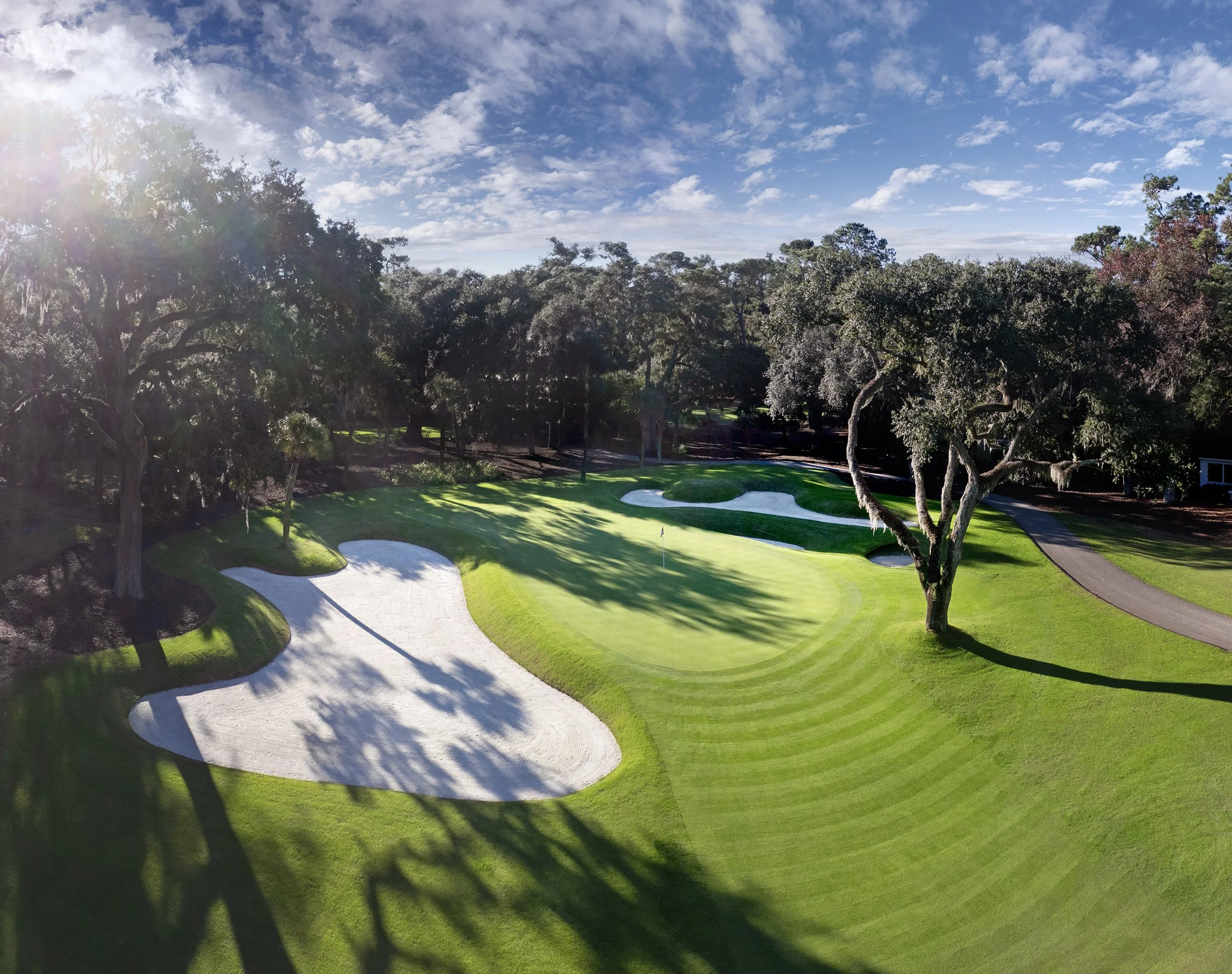
The course sits among tall pines and live oaks that frame many of the holes, creating natural corridors and dramatic shadows. The light filters through the trees in a way that changes the entire character of the course throughout the day. Early morning brings long shadows and quiet atmosphere. Late afternoon adds warmth and depth to the greens and bunkers.
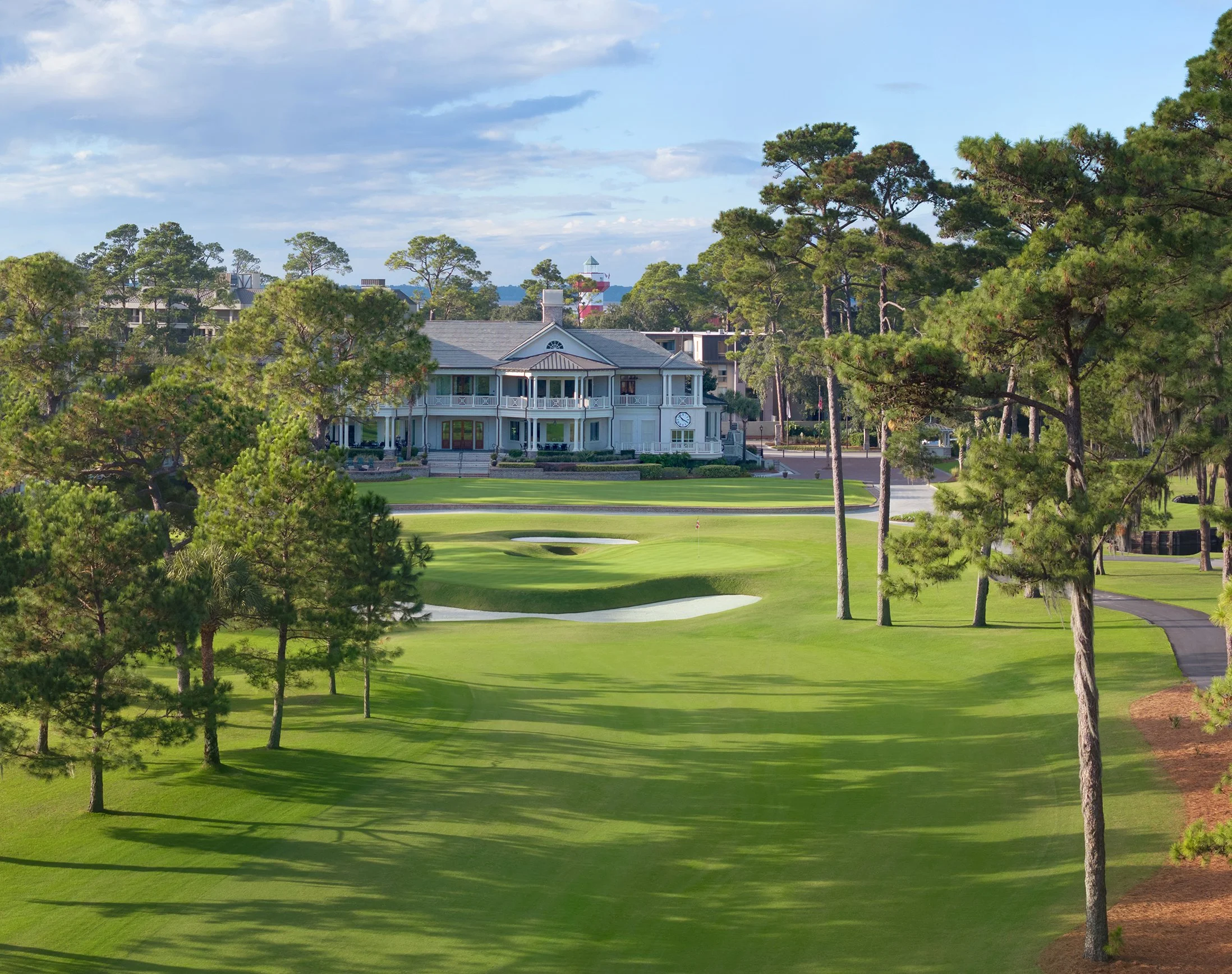
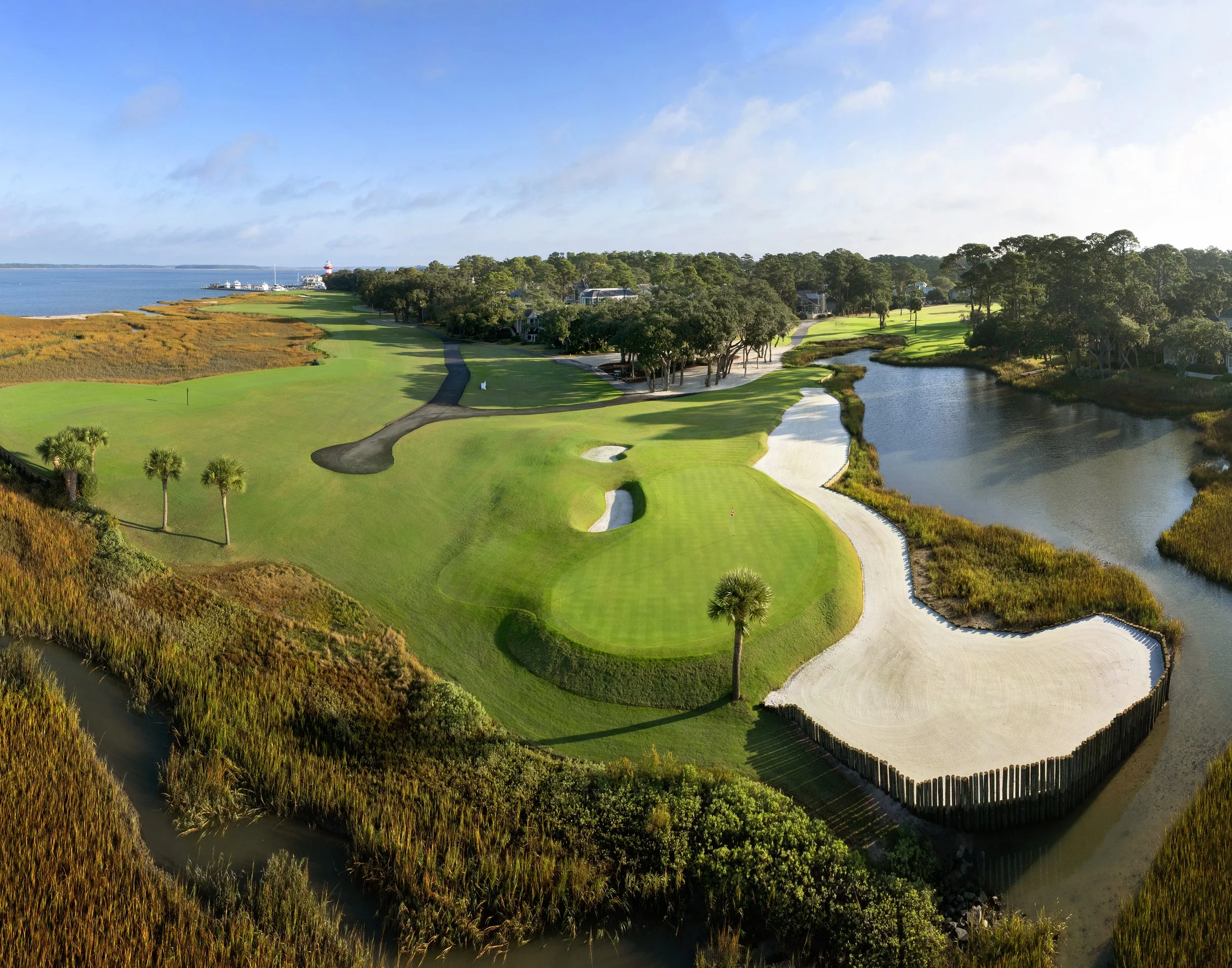
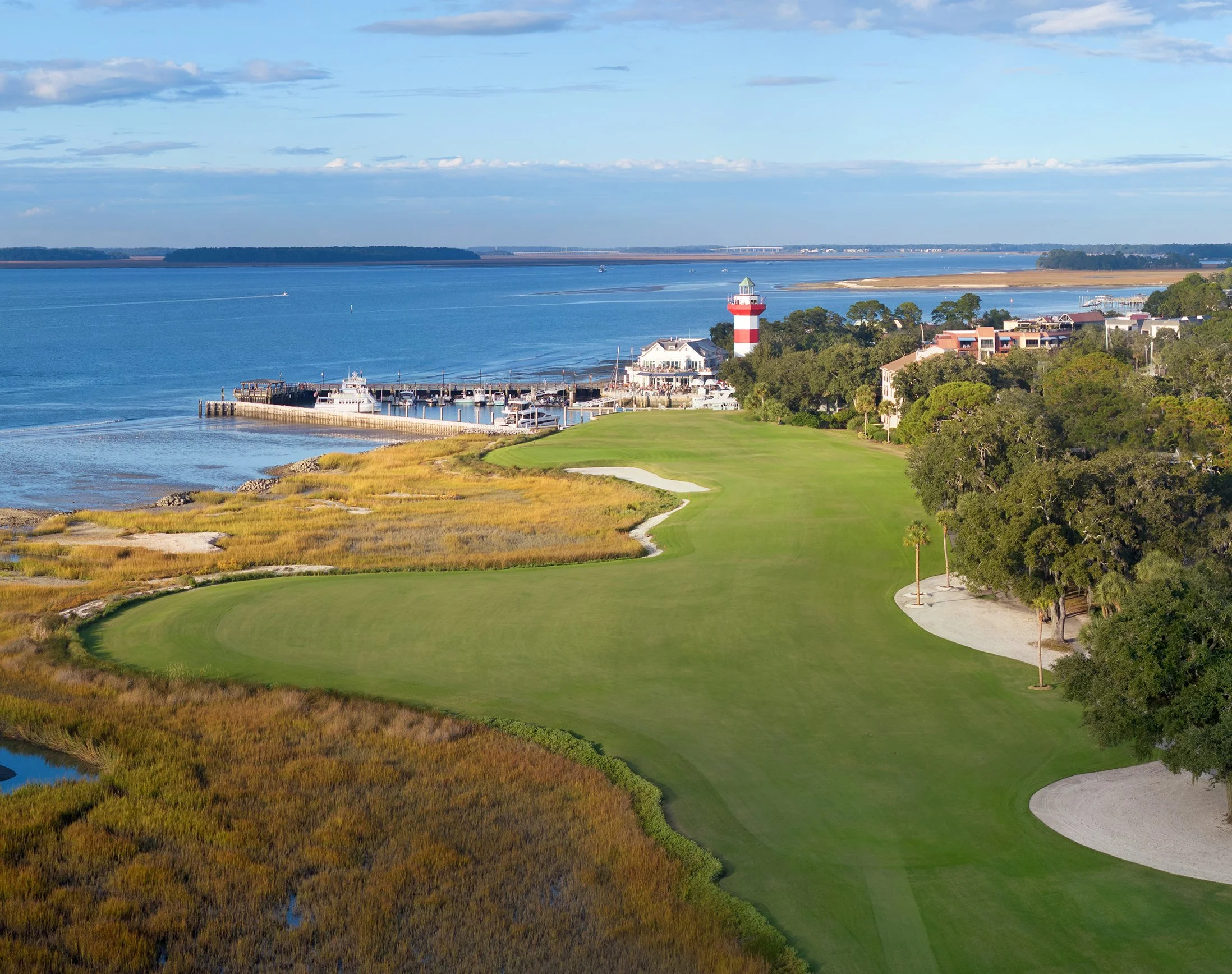
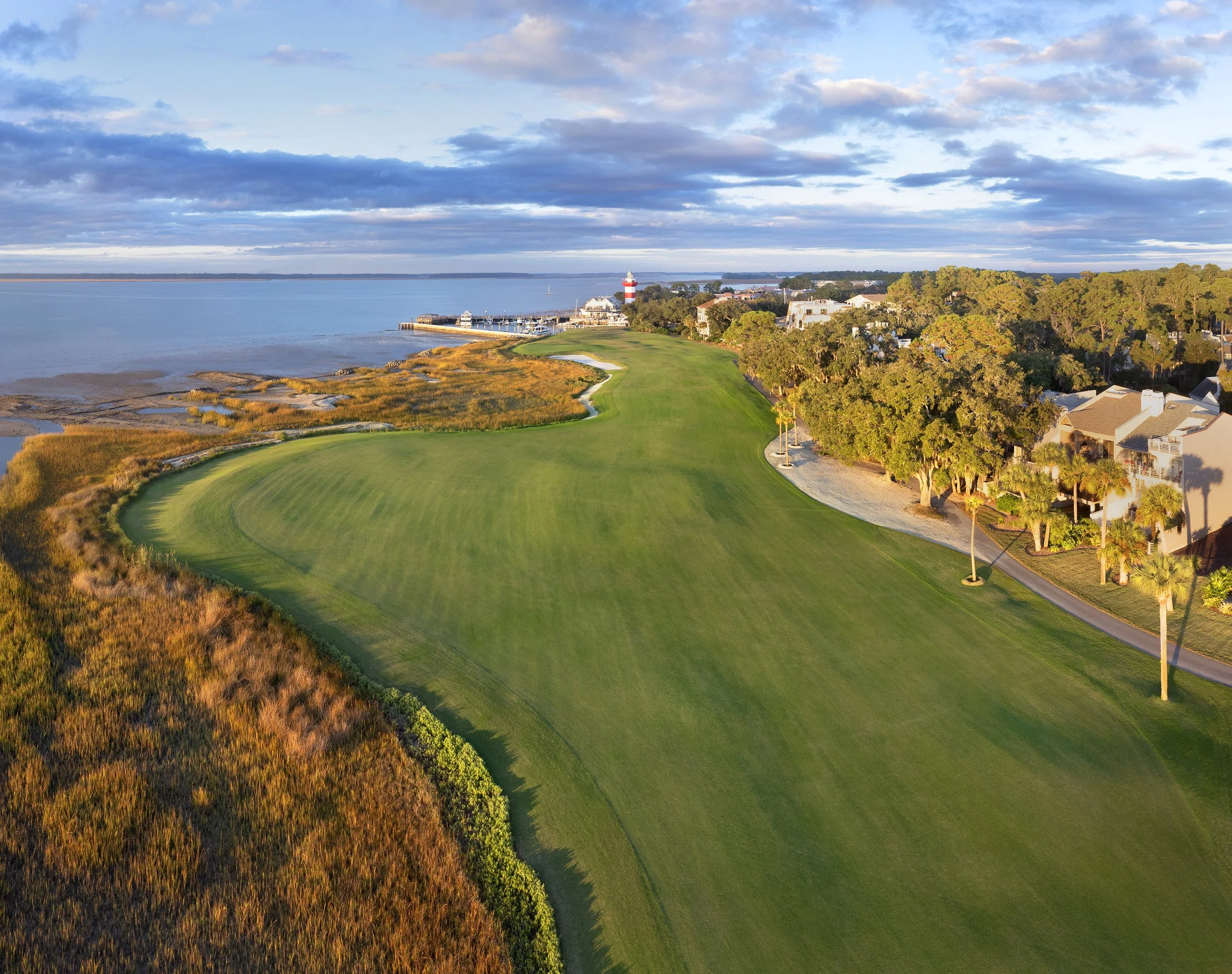
Harbour Town also carries another layer of history. The course has hosted the RBC Heritage for decades and remains one of the most popular stops on the PGA Tour schedule. Players respect the challenge and fans recognize the closing stretch instantly, especially the iconic 18th hole along Calibogue Sound with the Harbour Town Lighthouse rising behind the green.
In recent years, Davis Love III led a thoughtful renovation that preserved Pete Dye’s original vision while refining many architectural details. Bunkers were restored, sightlines were improved, and the course was carefully modernized without losing the strategic character that makes it special. The work respected the spirit of Dye’s design while ensuring Harbour Town remains relevant for modern players.
For me, photographing Harbour Town was both a creative challenge and a privilege. The course has been photographed countless times over the decades, yet the goal is always the same: find the light, the angle, and the moment that best expresses the personality of the place.
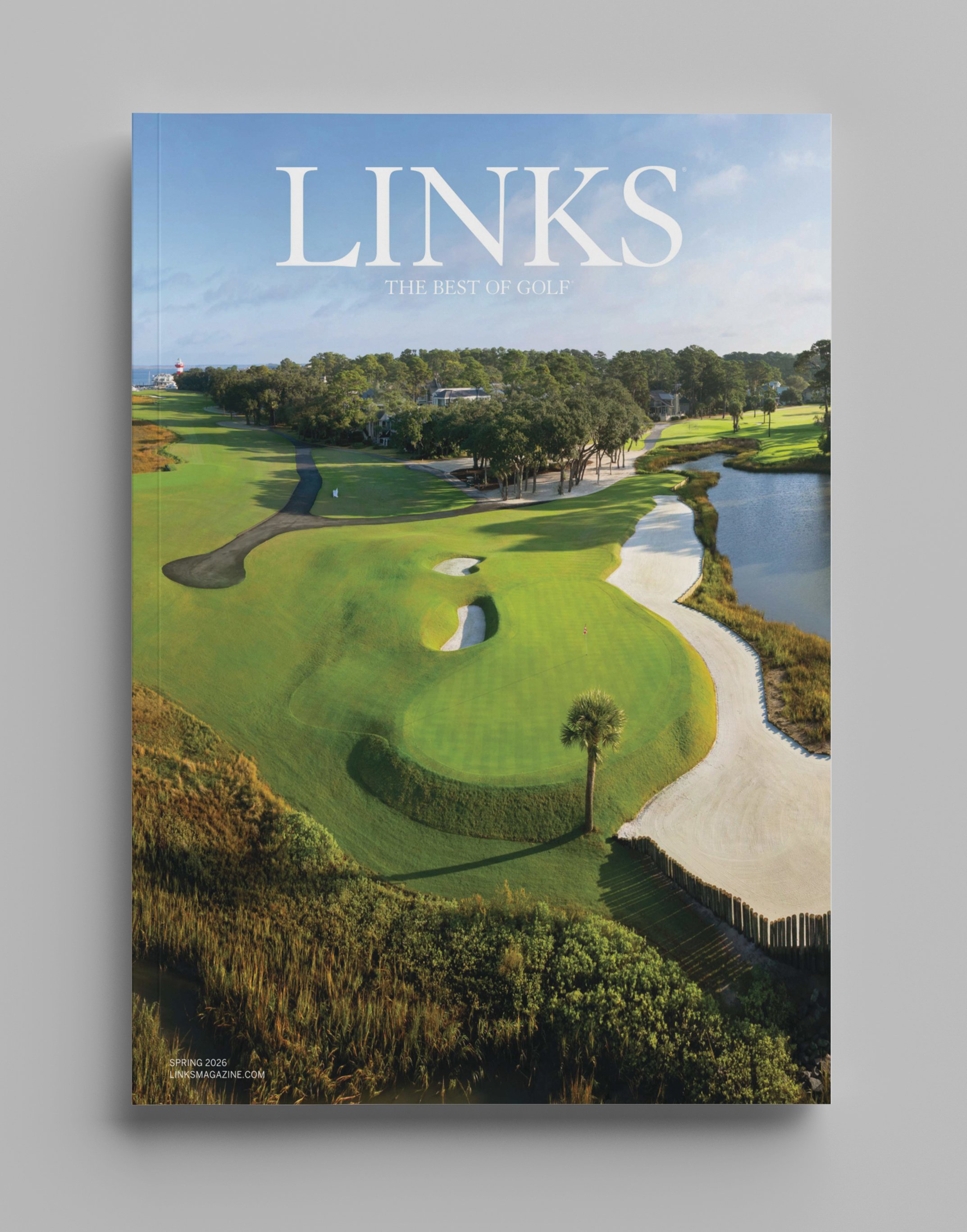
One of those moments ultimately became especially meaningful when one of my photographs of Harbour Town was selected for the cover of Links Magazine. Seeing an image from this remarkable course on the cover of a publication devoted to golf architecture and travel was an honor, and a reminder of how powerful a single photograph can be in telling the story of a great golf course.
Harbour Town Golf Links remains one of Pete Dye’s most enduring masterpieces. It’s a course that rewards intelligence, challenges professionals, and continues to inspire golfers and photographers alike.
You can view more golf course photography in my portfolio here:
www.billhornstein.com